The Complete Dog Health Guide: Preventive Care and Wellness for Every Life Stage (2026)

Prevention is the most powerful tool in veterinary medicine — yet it is also the most neglected. Many dog owners only visit the vet when something is wrong, missing the window where early detection and preventive care can add years to their dog's life and dramatically improve quality of life.
This comprehensive guide covers everything you need to know about keeping your dog healthy, from puppy vaccinations through senior wellness monitoring. It synthesizes the latest veterinary guidelines, evidence-based recommendations, and practical advice that any dog owner can implement.
Table of Contents
- Preventive Veterinary Care: The Annual Wellness Exam
- Vaccination Guide: Core and Non-Core Vaccines
- Dental Health: Preventing Periodontal Disease
- Joint Health: Mobility and Arthritis Prevention
- Weight Management: The Foundation of Canine Health
- Flea, Tick, and Parasite Prevention
- Skin and Coat Health
- Gut Health and the Microbiome
- Seasonal Health: Protecting Your Dog Year-Round
- Breed-Specific Health Concerns
- Canine Cognitive Dysfunction: Signs and Support
- Emergency Preparedness: When to Rush to the Vet
Preventive Veterinary Care: The Annual Wellness Exam
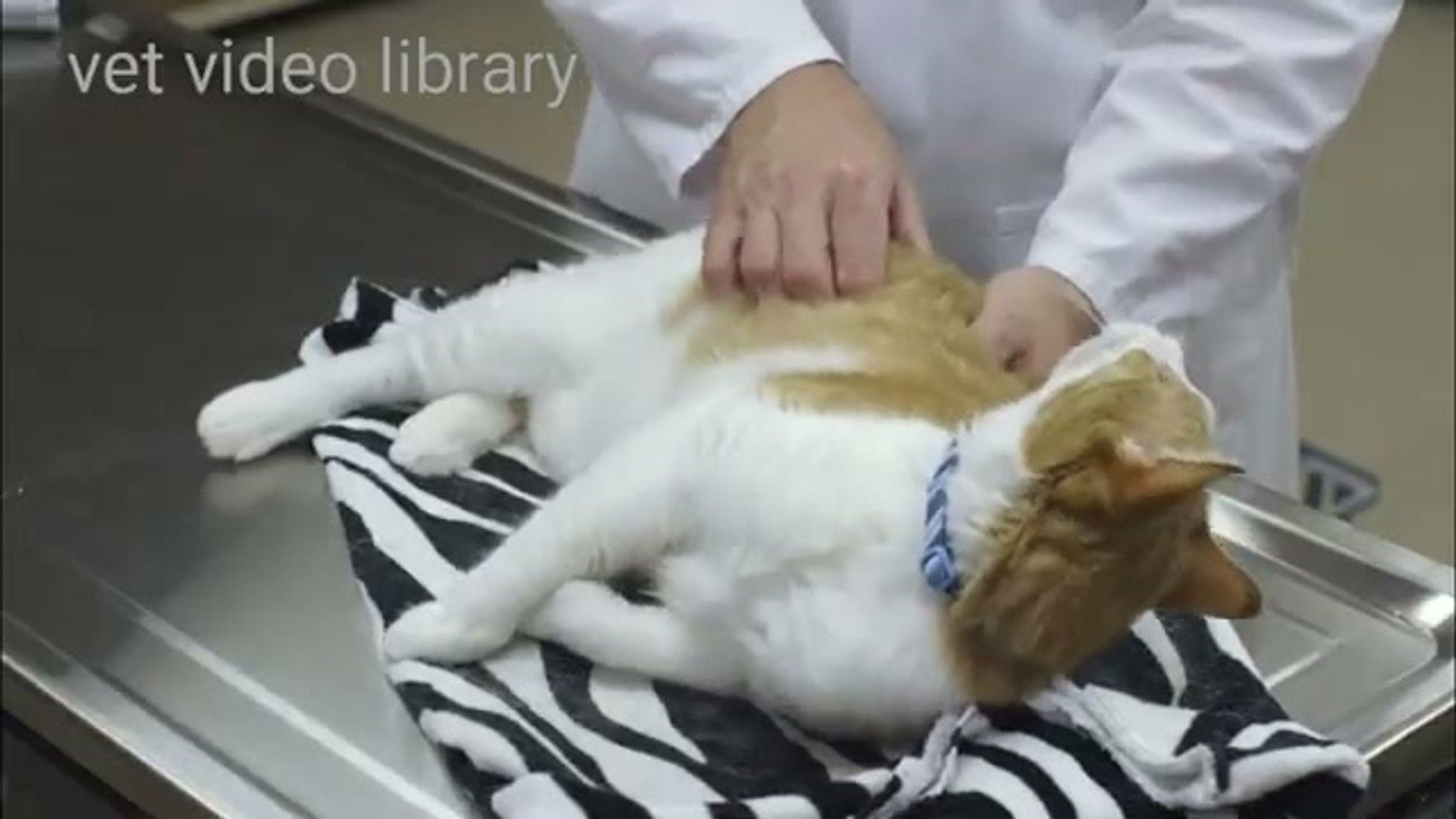
The wellness exam is not just a "shot visit" — it is a comprehensive assessment that can catch problems before they become serious, expensive, or life-threatening.
What Happens During a Wellness Exam
- Physical assessment: Heart, lungs, abdomen, eyes, ears, mouth, skin, lymph nodes
- Weight and body condition: Tracked over time to catch trends
- Dental evaluation: Checking for tartar, loose teeth, oral masses
- Musculoskeletal assessment: Joint range of motion, gait analysis
- Behavioural discussion: Any changes in activity, appetite, or temperament
- Parasite screening: Faecal examination, heartworm test
Exam Frequency by Age
| Life Stage | Recommended Frequency | Why |
|---|---|---|
| Puppy (0-16 weeks) | Every 3-4 weeks | Vaccination series, growth monitoring, socialization guidance |
| Young adult (6 months-3 years) | Annually | Baseline health establishment, vaccination boosters |
| Adult (3-7 years) | Annually | Early disease detection, dental assessment |
| Senior (7+ years) | Every 6 months | Age-related disease screening, bloodwork monitoring |
Vaccination Guide: Core and Non-Core Vaccines
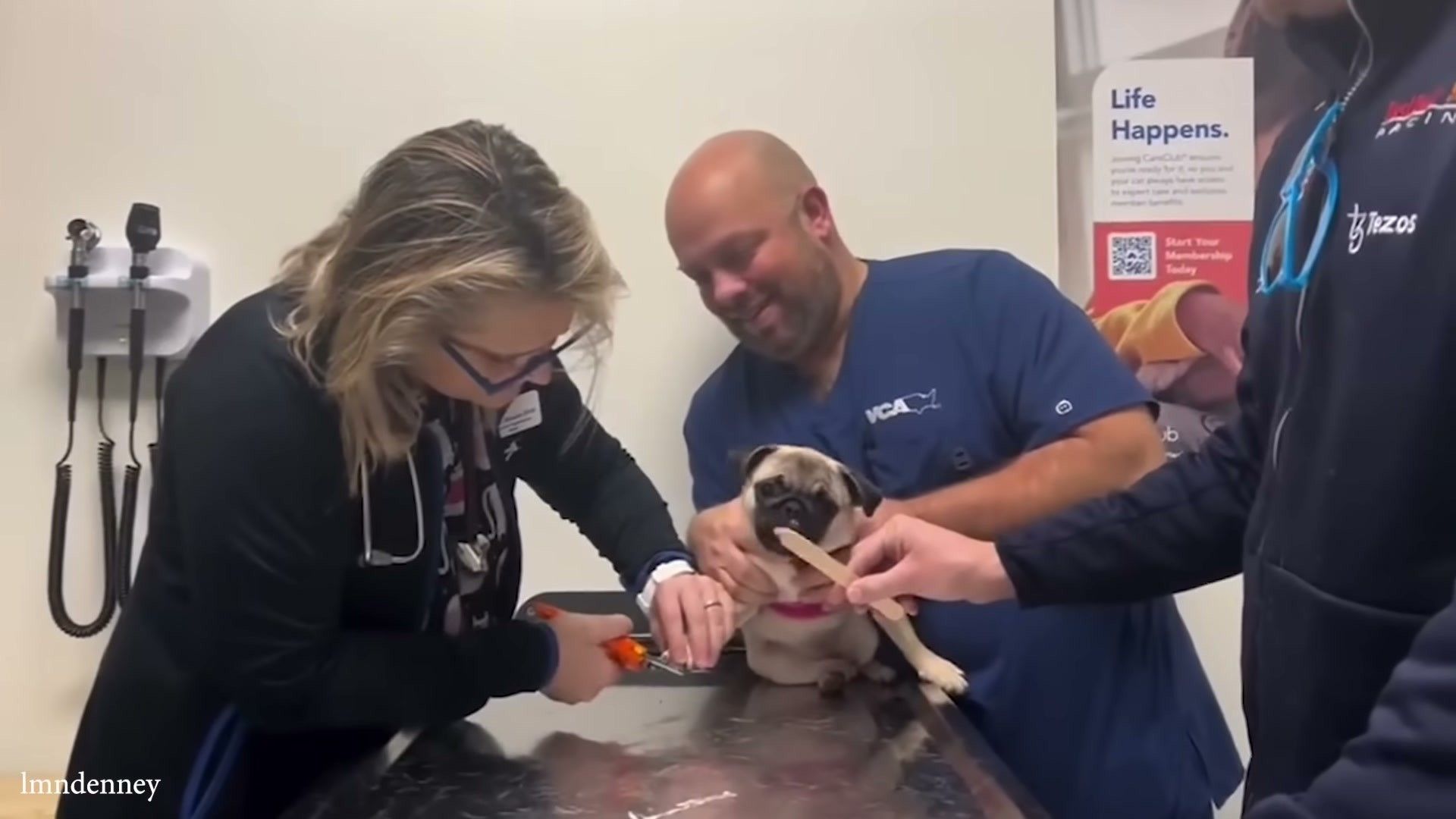
Vaccines are one of the most successful public health interventions in veterinary medicine. They do not cause autism, they do not "overload" the immune system, and they save lives.
Core Vaccines (Required for All Dogs)
- Rabies: Legally required in most jurisdictions. Given at 12-16 weeks, booster at 1 year, then every 1-3 years.
- Distemper (CDV): Highly contagious, often fatal viral disease. Given as combination vaccine (DHPP/DA2PP).
- Parvovirus (CPV): Severe gastrointestinal disease, especially in puppies. Given as combination vaccine.
- Adenovirus-2 (CAV-2): Causes infectious hepatitis and contributes to kennel cough. Given as combination vaccine.
Non-Core Vaccines (Based on Lifestyle and Risk)
- Leptospirosis: Zoonotic bacterial disease. Recommended for dogs exposed to wildlife, standing water, or rural areas.
- Bordetella (Kennel Cough): Recommended for dogs in daycare, boarding, or grooming facilities.
- Lyme Disease: Tick-borne. Recommended in endemic areas with heavy tick exposure.
- Canine Influenza (H3N2/H3N8): Recommended for dogs in high-density environments.
For a detailed breakdown of which vaccines your dog needs based on lifestyle, see our guide on dog vaccination guide.
Dental Health: Preventing Periodontal Disease

By age 3, 80% of dogs show signs of periodontal disease. This is not just a cosmetic issue — bacterial infection from the mouth enters the bloodstream and can damage the heart, liver, and kidneys.
The Dental Care Protocol
- Daily brushing: The gold standard. Use dog-specific toothpaste (never human — xylitol is toxic).
- Dental chews: VOHC-approved chews reduce tartar by 20-40%.
- Dental diets: Specially formulated kibble that mechanically cleans teeth.
- Professional cleanings: Under anaesthesia, with dental radiographs to check below the gumline.
Signs of Dental Disease
- Bad breath (halitosis)
- Red, swollen, or bleeding gums
- Yellow-brown tartar on teeth
- Dropping food or eating on one side
- Pawing at the mouth
- Reluctance to have head touched
For the complete dental care protocol, see our guide on dog dental health.
Joint Health: Mobility and Arthritis Prevention

Arthritis affects an estimated 25% of dogs in their lifetime, with some studies suggesting up to 60% of dogs over age 7 show radiographic evidence of joint disease. Prevention and early intervention are key.
Risk Factors
- Obesity: The single biggest modifiable risk factor — extra weight puts excessive stress on joints
- Large breeds: Golden Retrievers, Labradors, German Shepherds, Rottweilers
- Prior injury: Ligament tears, fractures, and dislocations increase arthritis risk
- Genetics: Hip and elbow dysplasia are hereditary conditions
Prevention Strategies
- Maintain lean body weight — this is the most impactful intervention
- Regular, moderate exercise — swimming is ideal (low impact, high resistance)
- Joint supplements — glucosamine, chondroitin, omega-3s (start early in at-risk breeds)
- Orthopaedic bedding — reduces pressure on joints during rest
- Ramps and non-slip surfaces — reduces injury risk from jumping and slipping
For a complete guide to joint health, mobility maintenance, and arthritis management, see our article on joint health in dogs.
Weight Management: The Foundation of Canine Health

Overweight dogs are at increased risk for diabetes, heart disease, joint problems, respiratory disease, and certain cancers. Studies show that maintaining a lean body condition can extend lifespan by 2.5 years.
The Body Condition Score
The BCS is a 1-9 scale. Ideal is 4-5: ribs easily felt with light pressure, visible waist from above, abdominal tuck from the side. If you cannot feel ribs easily, your dog is overweight.
Safe Weight Loss Protocol
- Calculate resting energy requirement (RER): 70 x (body weight in kg)^0.75
- Feed 80% of RER for weight loss
- Weigh monthly — safe loss is 1-2% of body weight per week
- Increase exercise gradually — start with 15-minute walks, build to 30-60 minutes
- Use measuring cups or a kitchen scale — accuracy matters
For a complete weight management program, see our guide on dog weight management.
Flea, Tick, and Parasite Prevention
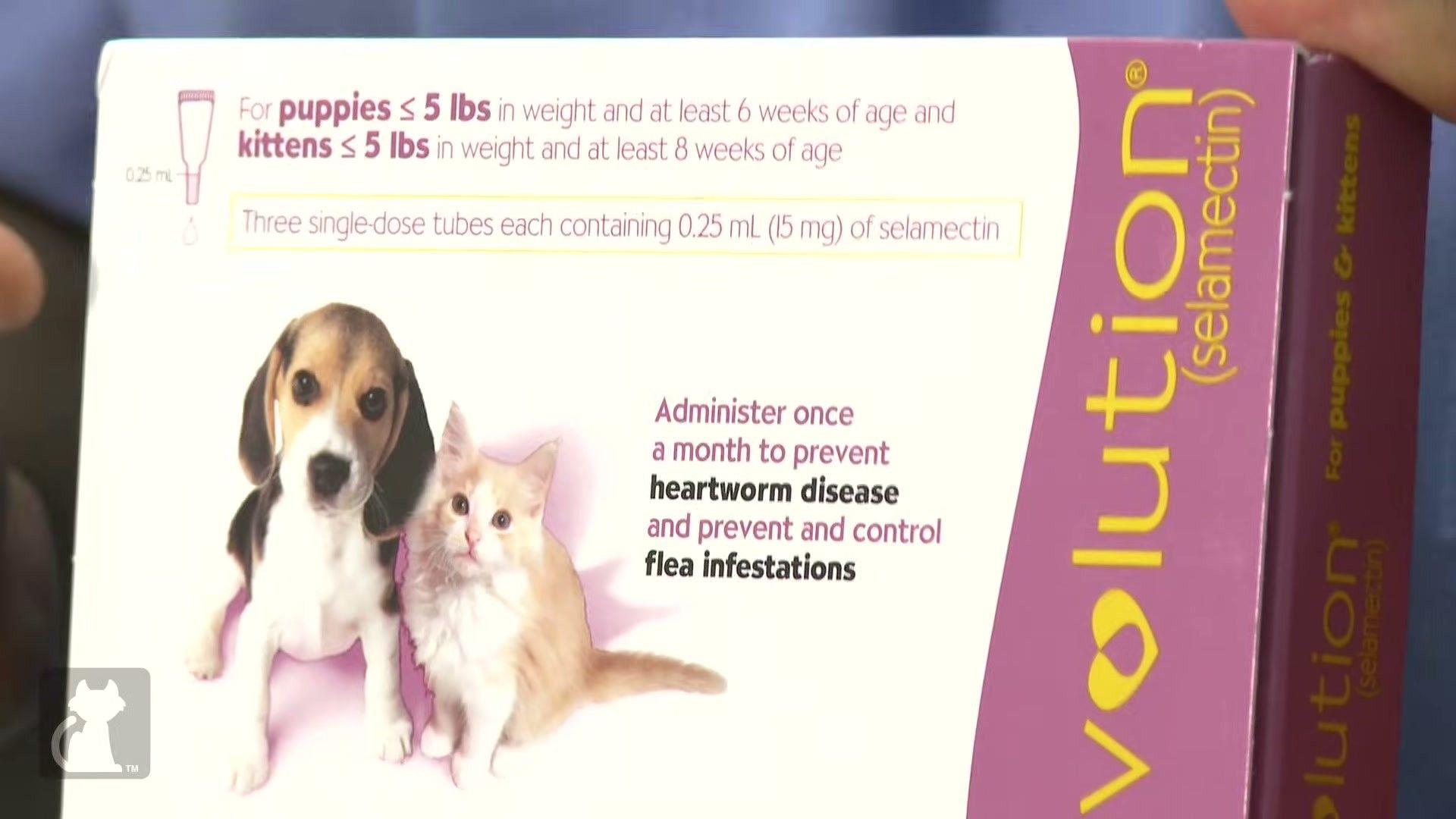
Parasites are not just a nuisance — they transmit serious diseases including Lyme disease, ehrlichiosis, anaplasmosis, and tapeworms. Year-round prevention is the standard of care.
Prevention Options
- Oral preventatives: NexGard, Bravecto, Simparica — kill fleas/ticks after they bite
- Topical preventatives: Frontline Plus, Advantix — repel and kill on contact
- Collars: Seresto — sustained release for 8 months
- Environmental control: Regular vacuuming, washing bedding, treating the yard
Intestinal Parasites
- Roundworms: Most common — faecal testing and deworming protocols
- Hookworms: Can cause anaemia in puppies
- Whipworms: Resistant to many dewormers — environmental management critical
- Giardia: Protozoan parasite — causes diarrhoea, treated with fenbendazole
For a complete evidence-based review of flea, tick, and parasite prevention options, see our guide on flea and tick prevention.
Skin and Coat Health
Skin disease is the most common reason dogs visit the veterinarian. Allergies, infections, parasites, and nutritional deficiencies can all manifest as skin problems.
Common Skin Conditions
- Allergic dermatitis: Environmental or food allergies — itching, redness, hot spots
- Hot spots: Localized bacterial infections — moist, painful, rapidly spreading
- Seborrhea: Flaky, oily, or scaly skin — can be primary or secondary
- Fungal infections: Ringworm (dermatophytosis) — contagious, requires treatment
Coat Health Basics
- Nutrition: Omega-3 and omega-6 fatty acids are essential for healthy skin and coat
- Grooming: Regular brushing removes dead hair, distributes oils, and allows skin inspection
- Bathing: Over-bathing strips natural oils — most dogs need bathing every 4-8 weeks
For a complete guide to skin and coat conditions, see our article on skin and coat health.
Gut Health and the Microbiome
The canine gut microbiome contains trillions of bacteria that influence digestion, immune function, behaviour, and even skin health. An imbalanced microbiome (dysbiosis) is linked to allergies, inflammatory bowel disease, and anxiety.
Supporting Gut Health
- High-quality, consistent diet — frequent diet changes disrupt the microbiome
- Prebiotics: Fibre sources (inulin, FOS) that feed beneficial bacteria
- Probiotics: Live beneficial bacteria — strain-specific products have the best evidence
- Avoid unnecessary antibiotics — they disrupt gut flora
For a deep dive into how the gut microbiome affects your dog's overall health, behaviour, and immunity, see our comprehensive guide on dog gut microbiome.
Seasonal Health: Protecting Your Dog Year-Round
Summer
- Heatstroke prevention: Never leave dogs in cars, provide shade and water, exercise during cool hours
- Paw protection: Hot pavement burns — test with your hand (5 seconds rule)
- Swimming safety: Life jackets for open water, rinse after chlorinated/salt water
Winter
- Paw protection: Ice, salt, and chemical de-icers cause irritation — use paw balm or booties
- Hypothermia risk: Short-haired and small dogs need coats in cold weather
- Antifreeze toxicity: Ethylene glycol is sweet-tasting but lethal — clean spills immediately
Spring/Fall
- Allergy season: Pollen and mould — watch for itching, sneezing, eye discharge
- Tick season ramp-up: Ensure prevention is current
For month-by-month health protection, see our guide on seasonal dog health.
Breed-Specific Health Concerns
Different breeds are predisposed to specific health conditions. Knowing your dog's breed risks allows for targeted screening and prevention.
Common Breed Predispositions
| Breed | Key Health Concerns | Screening |
|---|---|---|
| Golden Retriever | Cancer, hip dysplasia, heart disease | Annual x-rays, cardiac screening |
| German Shepherd | Degenerative myelopathy, hip/elbow dysplasia | DNA testing, OFA evaluation |
| French Bulldog | Breathing issues, spinal disease, allergies | BOAS assessment, spinal imaging |
| Labrador Retriever | Obesity, hip/elbow dysplasia, eye conditions | Weight monitoring, CERF eye exam |
| Dachshund | Intervertebral disc disease (IVDD) | Back protection, weight management |
For a comprehensive breakdown of health concerns for 15 popular breeds, see our guide on breed-specific health conditions.
Canine Cognitive Dysfunction: Signs and Support
Canine cognitive dysfunction (CCD) — essentially dog dementia — affects an estimated 28% of dogs aged 11-12 and 68% of dogs aged 15-16. It is a progressive neurodegenerative condition, not normal aging.
Signs of CCD
- Disorientation: Getting stuck in corners, staring at walls, failing to recognize familiar people
- Sleep-wake cycle changes: Restless at night, sleeping all day
- House soiling: Forgetting house training
- Activity changes: Pacing, aimless wandering, reduced engagement
- Social changes: Increased clinginess or withdrawal
Treatment Options
- Selegiline (Anipryl): FDA-approved for CCD — increases dopamine
- Omega-3 fatty acids (DHA): May slow cognitive decline
- Mental enrichment: Puzzle toys, training, novel experiences
- Consistent routine: Reduces anxiety and disorientation
For a complete guide to recognizing and managing canine cognitive dysfunction, see our article on canine cognitive dysfunction.
Emergency Preparedness: When to Rush to the Vet
Knowing what constitutes a veterinary emergency can save your dog's life. When in doubt, call your vet or emergency clinic.
True Emergencies (Go Immediately)
- Difficulty breathing: Open-mouth breathing, blue gums, choking
- Bloat (GDV): Distended abdomen with retching, restlessness, drooling — life-threatening in hours
- Seizures: Especially first seizure, seizures lasting more than 3 minutes, or cluster seizures
- Trauma: Hit by car, falls, animal attacks — even if no visible wounds
- Inability to urinate: Straining with no output — bladder rupture risk
- Suspected poisoning: Chocolate, grapes, xylitol, medications, antifreeze
- Non-stop vomiting or bloody diarrhoea
- Eye injuries: Cloudiness, squinting, discharge — corneal ulcers progress rapidly
Key Takeaways
- Prevention is always cheaper and more effective than treatment — regular wellness exams catch problems early
- Healthy weight is the #1 thing you can do — lean dogs live 2.5 years longer
- Dental disease is preventable — daily brushing is the gold standard
- Year-round parasite prevention is recommended for all dogs, including indoor-only dogs
- Know your breed's health risks — targeted screening saves lives
- Know the emergency signs — seconds matter in bloat, poisoning, and breathing emergencies
Frequently Asked Questions
How often should I take my dog to the vet?
Puppies need visits every 3-4 weeks until 16 weeks. Healthy adults should see the vet annually. Senior dogs (7+) benefit from biannual visits. Dogs with chronic conditions may need quarterly checkups.
What vaccines does my dog actually need?
Core vaccines (rabies, distemper, parvovirus, adenovirus) are essential for all dogs. Non-core vaccines (leptospirosis, bordetella, Lyme, canine influenza) are given based on lifestyle and geographic risk.
How often should I brush my dog's teeth?
Daily brushing is ideal. At minimum, brush 3-4 times per week. Use dog-specific toothpaste — human toothpaste contains xylitol which is toxic to dogs. Annual professional dental cleanings may be needed.
What are the signs of joint problems in dogs?
Limping, stiffness after rest, reluctance to jump or climb stairs, difficulty rising, decreased activity, and yelping when touched. These signs warrant veterinary evaluation.
How do I know if my dog is a healthy weight?
You should be able to feel ribs with light pressure but not see them. From above, there should be a visible waist. From the side, there should be an abdominal tuck. Your vet can assign a body condition score on a 1-9 scale.
Do indoor dogs need flea and tick prevention?
Yes. Fleas can enter homes on clothing and other pets. Ticks can be carried indoors by rodents. Year-round prevention is recommended by most veterinary organizations regardless of indoor/outdoor status.
When should I spay or neuter my dog?
Traditional recommendation is 6 months. Current research suggests timing may vary by breed — large breeds may benefit from waiting until 12-18 months to allow for growth plate closure. Discuss with your veterinarian.
What is the best way to prevent dog obesity?
Measure portions accurately, avoid table scraps, use low-calorie treats, provide daily exercise, and monitor body condition monthly. Most dogs need 25-30 calories per pound per day.
How can I tell if my dog is in pain?
Signs include decreased appetite, lethargy, hiding, aggression when touched, whining, panting, licking a specific area, changes in posture, and reluctance to move. Dogs often mask pain — subtle changes are important.
What emergency signs require immediate vet care?
Difficulty breathing, non-stop vomiting or diarrhoea, seizures, collapse, bloat (distended abdomen with retching), blood in urine or stool, inability to urinate, and suspected poisoning all require emergency veterinary care.
References
- American Animal Hospital Association (AAHA). (2022). Canine Vaccination Guidelines.
- AVMA. (2023). Preventive Animal Health Care Guidelines.
- Freeman, L.M., et al. (2006). Body condition scoring and body fat in dogs. Journal of Veterinary Internal Medicine, 20(3), 565-571.
- Waters, D.J., et al. (2009). Body-size effects on lifespan in domestic dogs. The American Naturalist, 173(4), 429-437.
- Landsberg, G., et al. (2010). Behavior Problems of the Dog and Cat. Saunders Elsevier.
- NIH State of the Science. (2002). Dental disease in dogs and cats. Journal of Veterinary Dentistry, 19(4), 204-210.