Dog Dental Health: How to Prevent Periodontal Disease (2026)
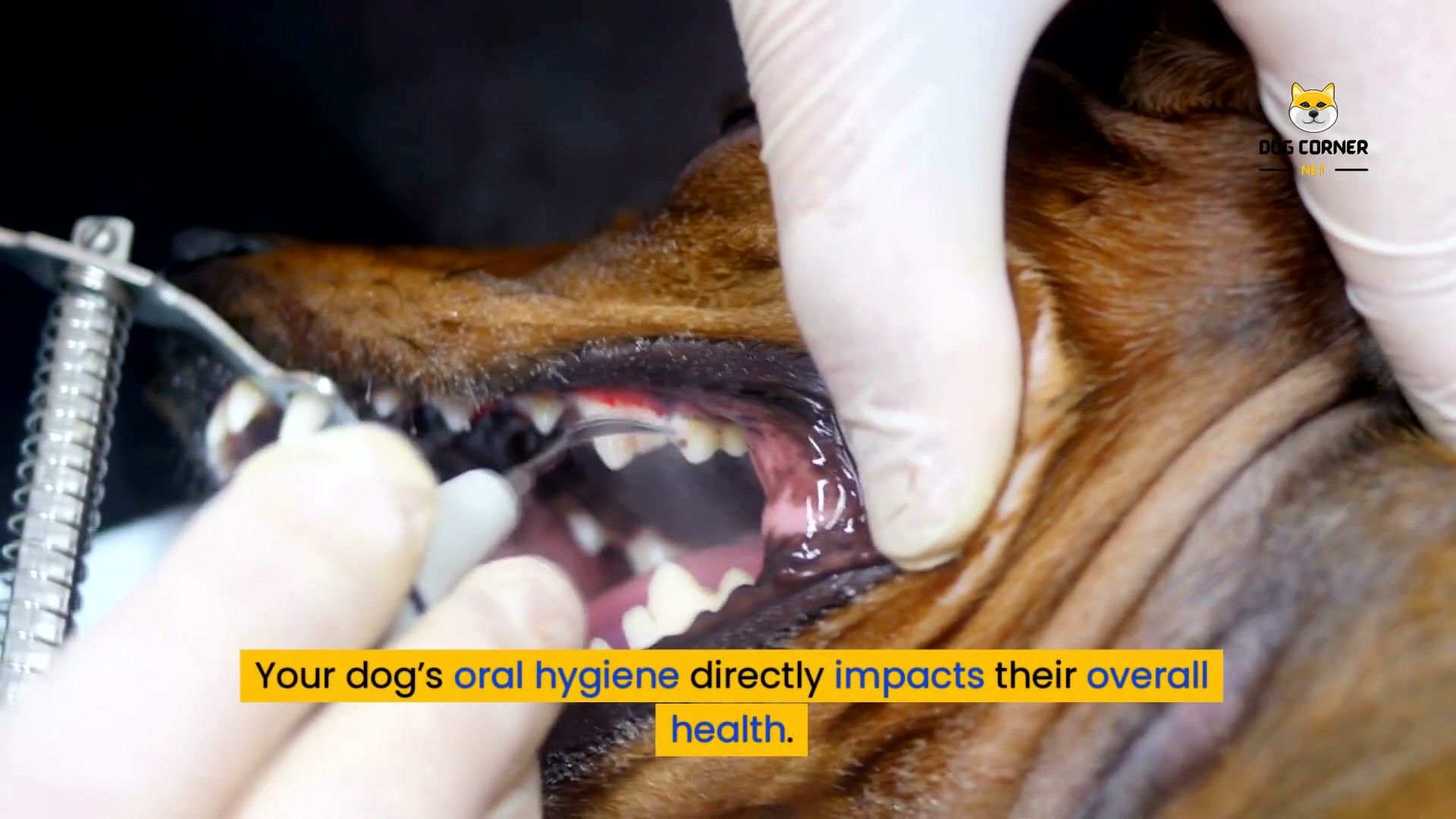
When we think of a healthy, happy dog, we picture wagging tails, glossy coats, and boundless energy. But one of the most critical aspects of canine well-being is often hidden right behind their adorable smiles: their dental health. If your dog’s breath can clear a room, it’s not just a minor nuisance—it’s a blaring alarm bell. By the time they reach their third birthday, an astonishing 80% of dogs have already developed some form of periodontal disease. As we progress into 2026, the veterinary community is placing an unprecedented emphasis on proactive oral care, moving away from reactive treatments and focusing on lifelong prevention.
Dog dental health isn't merely about ensuring they have fresh breath or sparkling white teeth; it is a fundamental pillar of their overall health and longevity. The bacteria that thrive in a neglected mouth don't just stay there. They enter the bloodstream, traveling to vital organs and wreaking havoc on the entire body. In this comprehensive 2026 guide, we are diving deep into the hidden dangers of periodontal disease, exploring the intricate connection between your dog’s mouth and their systemic health, and providing you with an actionable, vet-approved blueprint to keep your furry best friend’s teeth pristine for years to come.
Key Takeaways
- 80% of dogs develop periodontal disease by age 3.
- Poor dog dental health can damage the heart, liver, and kidneys.
- Daily brushing is the most effective way to prevent plaque buildup.
- Always look for the VOHC seal of acceptance on dental chews and products.
The Hidden Danger: What is Periodontal Disease in Dogs?
Periodontal disease, commonly known as gum disease, is a progressive, inflammatory condition that affects the supporting structures of the teeth. It doesn’t happen overnight. It begins silently, often without any outward signs that a pet parent might notice.
It starts with plaque—a sticky biofilm composed of bacteria, saliva, and food particles that constantly forms on the teeth. If this plaque isn’t brushed away within 24 to 48 hours, the minerals in your dog’s saliva cause it to harden into tartar (or calculus). Tartar is porous and acts like a coral reef for bacteria, providing a perfect environment for them to multiply rapidly. This bacterial invasion triggers an immune response, leading to inflammation of the gums, known as gingivitis.
If left untreated, the inflammation pushes deeper beneath the gumline. This is where the real destruction begins. The bacteria start to eat away at the periodontal ligament and the alveolar bone—the very structures that anchor the teeth in place.
Stages of Dental Disease
Veterinarians classify periodontal disease into four distinct stages, allowing them to determine the severity and the appropriate course of action:
- Stage 1 (Gingivitis): The gums are mildly inflamed, red, and swollen. There is plaque on the teeth, and perhaps a small amount of tartar. Crucially, this is the only stage that is completely reversible with a professional cleaning and good home care.
- Stage 2 (Early Periodontitis): The inflammation has spread beneath the gumline. The dog has lost up to 25% of the bone and soft tissue support around the teeth. Pockets begin to form between the gums and the teeth, trapping more bacteria.
- Stage 3 (Moderate Periodontitis): The destruction accelerates. Between 25% and 50% of the bone and tissue support is gone. The teeth may begin to feel slightly loose. Professional intervention, often involving extractions or advanced periodontal surgery, is required.
- Stage 4 (Advanced Periodontitis): More than 50% of the bone support is destroyed. The teeth are visibly loose, the roots are often exposed, and the pain is severe. Tooth extraction is usually the only viable option to provide relief.
Symptoms to Watch Out For
Dogs are masters at hiding pain, an evolutionary trait designed to protect them in the wild. By the time they show obvious signs of dental discomfort, the disease is often highly advanced. However, observant pet parents can look for these subtle and not-so-subtle clues:
- Halitosis (Bad Breath): This is the most common early warning sign. "Doggie breath" is not normal; it is the smell of decaying tissue and bacterial overgrowth.
- Changes in Eating Habits: Dropping food from their mouth, chewing only on one side, or showing a sudden reluctance to eat hard kibble or chew toys.
- Excessive Drooling: Sometimes accompanied by blood in the saliva or on chew toys.
- Pawing at the Mouth: A clear sign of localized discomfort.
- Facial Swelling: Particularly swelling just below the eye, which can indicate a severe tooth root abscess (often the upper fourth premolar).
Why Dog Dental Care is More Than Just Fresh Breath
The implications of periodontal disease extend far beyond the oral cavity. In 2026, veterinary research is heavily focused on the systemic consequences of chronic dental inflammation.

The Systemic Impact: Heart, Liver, and Kidneys
Every time a dog with periodontal disease chews on a toy or crunches their food, the inflamed, bleeding gums act as an open doorway for oral bacteria to flood into the bloodstream—a phenomenon known as bacteremia.
The immune system mounts a defense, but this constant, low-grade bombardment takes a massive toll. The bacteria travel throughout the body, frequently settling in the micro-capillaries of major organs.
- The Heart: The bacteria can colonize the heart valves, leading to endocarditis (inflammation of the heart valves) and contributing to valvular disease.
- The Kidneys and Liver: These organs act as the body's filtration system. The constant influx of bacteria and inflammatory mediators damages the delicate tissues of the kidneys and liver, significantly accelerating the onset of chronic kidney disease and hepatic dysfunction.
This systemic impact is particularly dangerous for older dogs, whose immune systems and organs are already dealing with the natural aging process. If you want to learn more about comprehensive care for older pets, be sure to read our extensive senior dog care guide.
The Oral-Microbiome Connection
One of the most exciting frontiers in 2026 veterinary medicine is the study of the microbiome. While we often think of the gut microbiome, the mouth has its own distinct microbial ecosystem.
A healthy mouth has a balanced, diverse community of beneficial bacteria that keep opportunistic pathogens in check. Periodontal disease represents a severe state of dysbiosis—an overgrowth of destructive, anaerobic bacteria. What happens in the mouth doesn't stay in the mouth. We now know that an unhealthy oral microbiome constantly seeds the gastrointestinal tract with pathogenic bacteria. This can disrupt the gut microbiome, leading to systemic inflammation and immune dysregulation. The health of the gut is inextricably linked to everything from digestion to behavior. You can dive deeper into this fascinating topic in our article on the dog gut microbiome, behavior, and immunity.
2026 Vet-Approved Strategies for Dog Teeth Cleaning
Prevention is always better, safer, and far less expensive than treatment. Building a multi-modal dental care routine is the gold standard for 2026.

How to Brush Your Dog's Teeth (The Right Way)
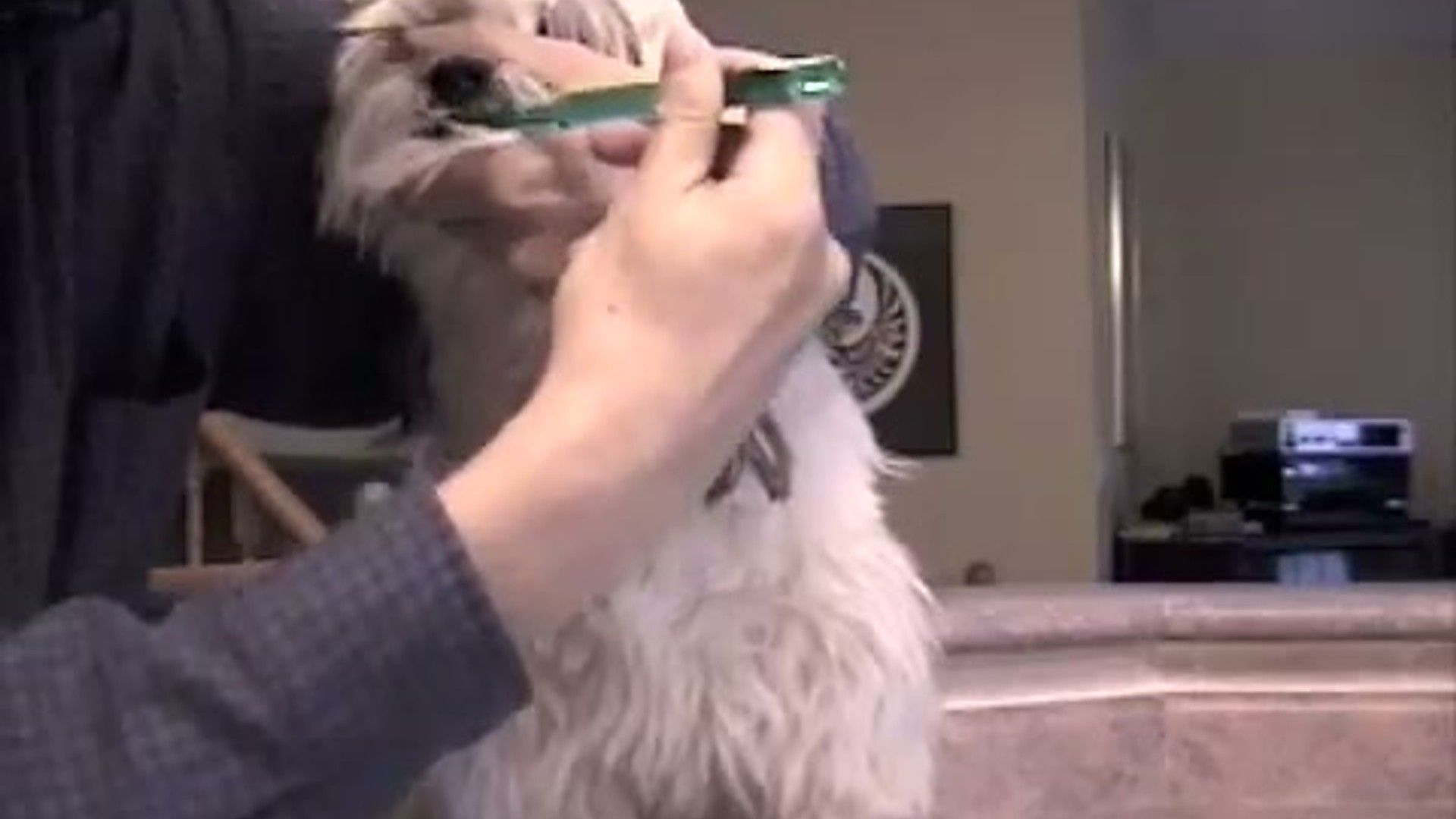
Toothbrushing remains the absolute most effective way to remove plaque before it mineralizes into tartar. Think of it as the foundational pillar of dog dental health.
- Start Slow: Do not rush this. Let your dog lick the toothpaste off your finger for a few days to build a positive association.
- Use the Right Tools: Never use human toothpaste; it contains fluoride and often xylitol, which are highly toxic to dogs. Use a pet-specific, enzymatic toothpaste (poultry or beef flavors are usually a hit). Use a dog-specific toothbrush with soft bristles, or a silicone finger brush for smaller mouths.
- Focus on the Outside: You only need to brush the outside (buccal) surfaces of the teeth. The dog's tongue keeps the inside surfaces relatively clean.
- The Technique: Gently lift the lip and brush in small circles, focusing heavily on the gumline, especially the large back premolars and the canine teeth.
- Consistency is Key: Aim for daily brushing. If that's impossible, three times a week is the absolute minimum to disrupt plaque formation effectively.
Dental Chews, Water Additives, and Powders
While brushing is king, it's not the only tool in your arsenal. The Veterinary Oral Health Council (VOHC) awards its Seal of Acceptance to products proven to retard plaque and tartar. Always look for the VOHC seal when shopping for dental aids.
- Dental Chews: High-quality chews rely on mechanical abrasion to scrub the teeth as the dog chews. Some also contain enzymes or ingredients like sodium hexametaphosphate to bind calcium in the saliva and prevent tartar formation. Avoid hard items like antlers, raw bones, or synthetic nylon bones, which frequently cause catastrophic tooth fractures (slab fractures).
- Water Additives: These are flavorless liquids added to your dog's water bowl. They typically contain enzymes or chlorhexidine to reduce the overall bacterial load in the mouth.
- Food Supplements: Seaweed-based powders (like Ascophyllum nodosum) can be sprinkled on food. These are absorbed systemically and secreted in the saliva, altering the composition of the biofilm and making plaque less sticky.
The Role of Diet in Dental Health
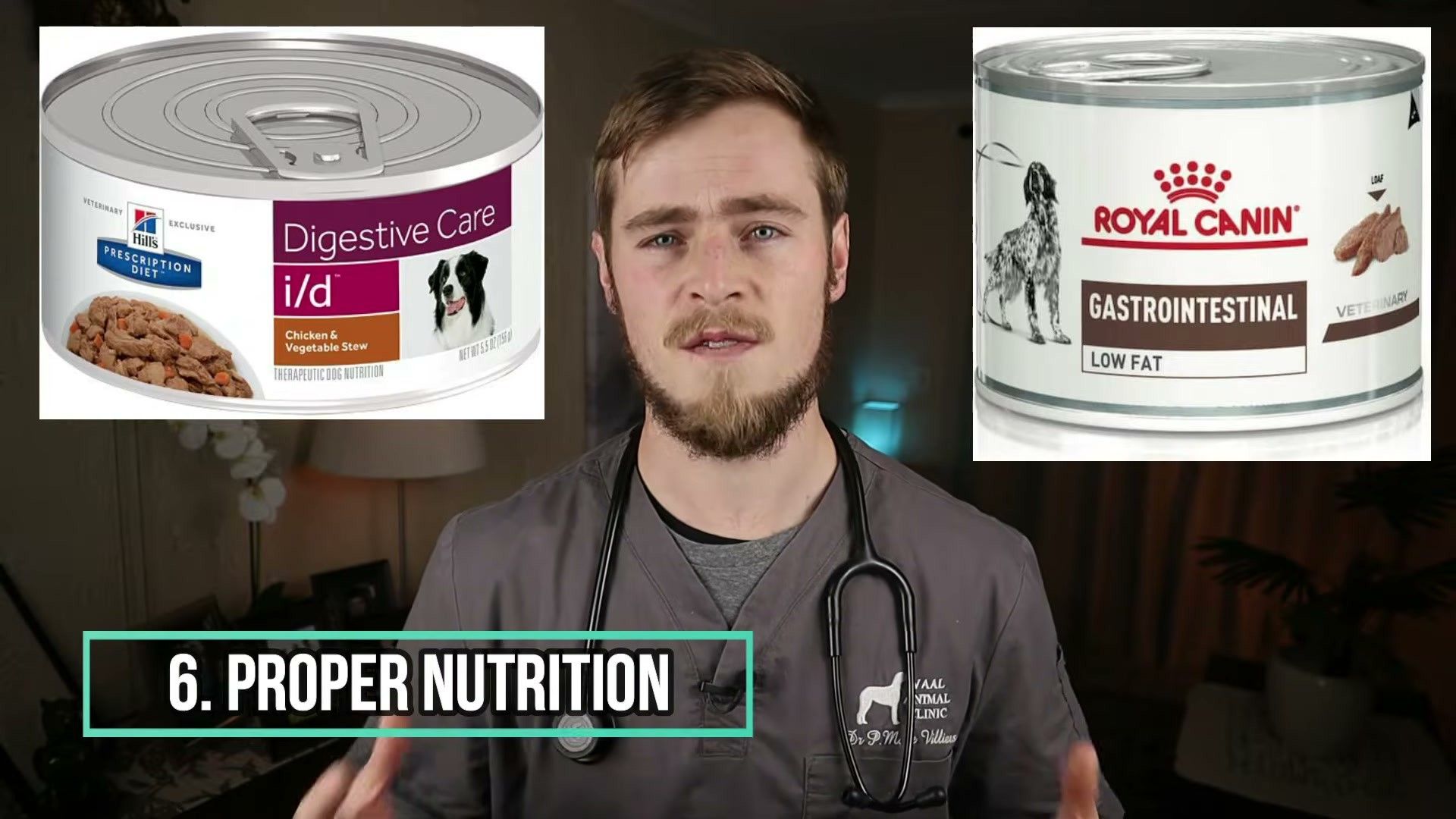
Diet plays a significant role in oral health. While the old myth that "kibble cleans teeth" has been largely debunked (most kibble simply shatters when bitten and provides no abrasive action), there are specially formulated dental diets. These therapeutic diets feature oversized kibble pieces with a unique fiber matrix. Instead of shattering, the kibble holds together, allowing the tooth to penetrate deeply and acting like a squeegee to scrape the tooth surface clean.
Professional Veterinary Dental Cleanings
No matter how meticulous your home care routine is, almost every dog will eventually need a professional veterinary dental cleaning (a Complete Oral Health Assessment and Treatment, or COHAT).
Why Anesthesia-Free Cleanings Aren't Enough
In recent years, "anesthesia-free dentistry" has become a popular marketing gimmick, appealing to owners' fears of anesthesia. However, the American Veterinary Dental College (AVDC) strongly opposes this practice, and for good reason.
Anesthesia-free cleanings are purely cosmetic. They only scrape tartar off the visible crown of the tooth. They do absolutely nothing to address the disease process occurring below the gumline, where the real damage happens. Furthermore, it is impossible to take diagnostic dental X-rays on an awake dog, and the sharp scaling instruments can easily injure a struggling, fearful animal. It provides a false sense of security while allowing hidden disease to progress.
What to Expect During a Professional Cleaning
A proper COHAT in 2026 involves several critical steps, all performed under modern, closely monitored general anesthesia:
- Pre-Anesthetic Bloodwork: To ensure the liver and kidneys are healthy enough to metabolize the anesthesia.
- Full Mouth Dental X-Rays: Over 60% of dental disease is hidden beneath the gumline. Radiographs are non-negotiable for an accurate diagnosis.
- Scaling: Ultrasonic scalers are used to remove plaque and tartar from above and below the gumline.
- Polishing: Scaling creates micro-abrasions on the enamel. Polishing smooths the surface, making it harder for new plaque to adhere.
Conclusion & Daily Action Plan
Your dog gives you their whole heart; protecting their smile is one of the best ways you can give them a long, pain-free life in return. Dog dental health is not an intermittent chore, but a daily commitment.
Start today by establishing a baseline. Lift your dog's lip and look at their teeth. If you see brown tartar, red gums, or smell foul breath, schedule a veterinary consultation for a professional cleaning. Once you have a clean slate, commit to the 2026 gold standard: daily tooth brushing, VOHC-approved chews, and annual veterinary checkups. By prioritizing their oral health, you are actively defending their heart, their kidneys, and their overall vitality, ensuring they stay by your side, healthy and happy, for as long as possible.