Breed-Specific Health Guide: Common Conditions for 15 Popular Breeds
You bring home a fluffy Golden Retriever puppy, a sleek German Shepherd, or a charming French Bulldog. You fall in love with their distinct personality, coat, and energy. But behind every purebred dog's unique appearance lies a specific genetic blueprint — one that carries inherited health predispositions alongside beloved breed traits. Understanding these predispositions isn't about worrying; it's about empowerment. When you know what conditions your dog's breed is prone to, you can spot subtle early warnings, schedule timely screenings, and implement preventive care that adds years of vibrant health to their life.
A landmark 2024 study from the Dog Aging Project evaluating 27,541 dogs across 25 popular breeds identified 53 distinct lifetime medical conditions (O'Neill et al., 2024). While mixed-breed dogs and purebreds share many general health risks, purebred dogs show significantly higher lifetime odds for specific hereditary conditions ranging from hip dysplasia and heart disease to spinal disorders and cancer. This guide breaks down the evidence-based health profiles of 15 top breeds, complete with screening timelines and preventive protocols you can start today.
Quick Answer
- Breed-specific health conditions stem from selective breeding, structural conformation, and inherited gene mutations.
- Large breeds (Labs, Goldens, GSDs, Rottweilers) face elevated risks for orthopedic issues (hip/elbow dysplasia) and certain cancers.
- Small and flat-faced breeds (Frenchies, Bulldogs, Dachshunds, CKCS) are prone to airway obstruction (BOAS), spinal disc disease (IVDD), and heart valve disease (MMVD).
- Early screening (OFA/PennHIP X-rays, DNA panels, cardiac echo) detects conditions before irreversible tissue damage occurs.
- Maintaining a lean body condition score (BCS 4-5/9) reduces orthopedic symptom severity by up to 50%.
Not sure where to start? Find your breed below:
| If you own a... | Go to this section |
|---|---|
| Labrador, Golden Retriever, German Shepherd, Rottweiler, Poodle | Large Breed Health Profiles |
| French Bulldog, English Bulldog, Dachshund, Cavalier, Yorkie | Small & Brachycephalic Profiles |
| Beagle, Boxer, Australian Shepherd, Husky, Doberman | Working & Family Breed Profiles |
| Any breed needing a screening checkup schedule | Lifetime Screening Schedule |
| Any breed showing early limping, breathing, or heart signs | Common Mistakes to Avoid |
What "Breed-Specific Health" Actually Means — Genetics vs Risk
Breed-specific health conditions are inherited or structural disorders that certain dog breeds are genetically predisposed to develop at higher rates than the general canine population.
To understand breed health, you must understand how dog breeds were created. Centuries of selective breeding for specific physical traits (like short muzzles, long backs, or heavy bone structure) created closed gene pools. While this produced predictable temperaments and coat types, it also concentrated recessive disease mutations and structural vulnerabilities.
Genetics operates on three levels in dogs:
- Single-gene mutations: Simple autosomal recessive or dominant traits (like the SOD1 gene mutation causing Degenerative Myelopathy or the MDR1 gene causing drug sensitivity). DNA tests can screen for these with 99%+ accuracy.
- Polygenic traits: Conditions influenced by dozens of genes interacting with environment and diet (like hip dysplasia or cancer). These cannot be ruled out by a single DNA test; they require physical imaging and lifetime monitoring.
- Conformational hazards: Health issues caused directly by body shape (like Brachycephalic Obstructive Airway Syndrome in flat-faced breeds or Intervertebral Disc Disease in long-backed breeds).
Importantly, having a breed predisposition does not guarantee your individual dog will fall ill. It means their statistical probability is higher. By combining genetic testing, physical screening, and environmental optimization — including supporting systemic health via the dog gut microbiome — you can alter your dog's health trajectory.
Did You Know: The Orthopedic Foundation for Animals (OFA) maintains a global database of over 2 million canine health screenings. Their data shows that selective screening by responsible breeders has reduced hip dysplasia rates in several major breeds over the past 30 years.
- Breed health risks stem from closed gene pools, structural conformation, and inherited mutations
- Single-gene disorders can be tested via DNA; polygenic traits require physical imaging
- Predisposition means elevated statistical risk, not an inevitable diagnosis
- Proactive management can prevent or delay the onset of many hereditary conditions
Large Breed Health Profiles: Labs, Goldens, GSDs, Rottweilers & Poodles
Large and giant dog breeds share common rapid growth patterns that place immense mechanical strain on developing joints and elevated metabolic risk for specific internal conditions.
1. Labrador Retriever
- Top Health Risks: Hip and elbow dysplasia, Exercise-Induced Collapse (EIC), progressive retinal atrophy (PRA), obesity.
- Clinical Breakdown: Labradors carry a genetic mutation in the POMC gene that alters proopiomelanocortin processing, leaving up to 23% of Labs with a constant, heightened appetite. This genetic drive toward obesity dramatically accelerates hip and elbow osteoarthritis. EIC causes sudden muscle weakness and collapse after 5-15 minutes of intense exertion; a simple DNA test identifies clear, carrier, or at-risk status.
- Preventive Priority: Strict calorie management during growth (keep puppies lean), EIC DNA testing before intense agility or hunting training, and PennHIP/OFA joint X-rays at 12-24 months.
2. Golden Retriever
- Top Health Risks: Cancer (hemangiosarcoma, lymphoma, osteosarcoma), hip dysplasia, pigmentary uveitis, subaortic stenosis (SAS).
- Clinical Breakdown: Cancer is responsible for approximately 60% of Golden Retriever deaths in North America, compared to ~27% across all dog breeds. The Golden Retriever Lifetime Study (following 3,000+ Goldens) is uncovering genetic loci associated with hemangiosarcoma (splenic cancer) and lymphoma. SAS is an inherited heart defect where a fibrous ring obstructs blood flow from the left ventricle.
- Preventive Priority: Annual abdominal ultrasounds and chest radiographs starting at age 6 for early cancer detection; OFA cardiac evaluation by a veterinary cardiologist; annual ophthalmologist exams.
3. German Shepherd Dog (GSD)
- Top Health Risks: Hip and elbow dysplasia, Degenerative Myelopathy (DM), exocrine pancreatic insufficiency (EPI), bloat (GDV).
- Clinical Breakdown: Approximately 20% of German Shepherds suffer from hip dysplasia according to OFA registry data. DM is a progressive, painless neurodegenerative disease of the spinal cord linked to the SOD1 gene mutation; approximately 5% of GSDs carry the homozygous risk genotype (Coates et al., 2024). EPI prevents the pancreas from producing digestive enzymes, leading to rapid weight loss and voluminous pale stools despite ravenous appetite.
- Preventive Priority: SOD1 DNA screening, PennHIP joint evaluation at 16 weeks, TLI blood test if weight loss occurs, and prophylactic gastropexy during spay/neuter to prevent fatal gastric torsion.
4. Rottweiler
- Top Health Risks: Osteosarcoma (bone cancer), subaortic stenosis, cruciate ligament rupture, parvovirus susceptibility.
- Clinical Breakdown: Rottweilers face greater than 10-fold odds of developing osteosarcoma compared to crossbred dogs (Edmunds et al., 2021). This aggressive bone tumor typically affects the long bones of the limbs. Their heavy muscular build also puts extreme biomechanical stress on the cranial cruciate ligament (CCL).
- Preventive Priority: Immediate veterinary evaluation for any limb lameness lasting >48 hours; routine cardiac auscultation; maintaining ideal weight to reduce CCL strain.
5. Standard Poodle
- Top Health Risks: Gastric Dilatation-Volvulus (bloat), Addison's disease (hypoadrenocorticism), Sebaceous Adenitis (skin disease), idiopathic epilepsy.
- Clinical Breakdown: Standard Poodles have the second-highest deep-chested conformation risk for bloat. Addison's disease involves autoimmune destruction of the adrenal cortex, causing life-threatening electrolyte crashes ("Addisonian crisis") that are frequently misdiagnosed as renal failure or gastroenteritis.
- Preventive Priority: Prophylactic gastropexy; baseline cortisol screening if chronic intermittent lethargy or vomiting occurs; routine skin punch biopsies for unexplained scaling and hair loss.
Vet Tip: For large breed puppies, never feed high-calorie "all life stages" diets. Use specialized Large Breed Puppy formulas with controlled calcium (1.1-1.4%) and phosphorus ratios to prevent rapid bone growth outstripping joint cartilage development.
- Large breeds require early joint screening (PennHIP at 16 weeks / OFA at 24 months)
- Golden Retrievers and Rottweilers require heightened cancer surveillance in senior years
- Deep-chested breeds (GSDs, Standard Poodles) benefit significantly from prophylactic gastropexy
- Genetic DNA testing can clear Labs and GSDs for EIC and Degenerative Myelopathy
Small & Brachycephalic Health Profiles: Frenchies, Bulldogs, Dachshunds, CKCS & Yorkies
Small and flat-faced (brachycephalic) breeds possess distinct anatomical adaptations that create unique respiratory, spinal, and cardiac vulnerabilities.
6. French Bulldog
- Top Health Risks: Brachycephalic Obstructive Airway Syndrome (BOAS), Intervertebral Disc Disease (IVDD), hemivertebrae, allergic dermatitis.
- Clinical Breakdown: Selective breeding for extreme flat muzzles compresses upper respiratory anatomy, causing stenotic (narrowed) nares, elongated soft palates, and everted laryngeal saccules. A 2024 UK Royal Veterinary College study confirmed French Bulldogs have 30x higher odds of BOAS compared to non-brachycephalic breeds. Their compact screw-tails are associated with malformed spinal vertebrae (hemivertebrae) and early-onset IVDD.
- Preventive Priority: Surgical correction of stenotic nares and soft palate before age 2 if noisy breathing occurs; strict temperature control in summer (heat stroke risk); keeping body weight low.
7. English Bulldog
- Top Health Risks: BOAS, severe hip dysplasia, cherry eye (nictitans gland prolapse), skin fold pyoderma, dry eye (KCS).
- Clinical Breakdown: English Bulldogs have one of the highest rates of hip dysplasia among all breeds (over 70% according to OFA data), compounded by heavy front-end weight distribution. Deep facial and tail folds trap moisture and bacteria, leading to chronic, painful skin fold infections.
- Preventive Priority: Daily cleaning and drying of facial and tail folds with chlorhexidine wipes; early BOAS surgical evaluation; lubricated eye drops for KCS.
8. Dachshund (Standard & Miniature)
- Top Health Risks: Intervertebral Disc Disease (IVDD), progressive retinal atrophy, Cushing's disease, dental overcrowding.
- Clinical Breakdown: The FGF4 retrogene on chromosome 12 gives Dachshunds their characteristic chondrodysplastic (short-legged) stature. However, it also causes premature calcification of spinal intervertebral discs (chondroid metaplasia). Up to 25% of Dachshunds experience IVDD in their lifetime, where a ruptured disc compresses the spinal cord, leading to sudden back pain, knuckling, or paralysis.
- Preventive Priority: Eliminate jumping from furniture using pet ramps; use a chest harness instead of a neck collar; maintain strict weight control; seek emergency care within 24 hours if sudden weakness occurs.
9. Cavalier King Charles Spaniel (CKCS)
- Top Health Risks: Myxomatous Mitral Valve Disease (MMVD), Syringomyelia (SM), dry eye / curly coat syndrome, episodic falling.
- Clinical Breakdown: MMVD is near-universal in aging Cavaliers — nearly 100% exhibit mitral valve murmurs by age 10 (Vrieselaar et al., 2025). Syringomyelia occurs when an occipital hypoplasia (small skull base) compresses the cerebellum, obstructing cerebrospinal fluid flow and forming fluid-filled cavities (syrinxes) in the spinal cord. This causes "phantom scratching" at the neck, intense pain, and neurological deficits.
- Preventive Priority: Annual cardiac auscultation starting at age 1; ACVIM-guided pimobendan therapy when cardiac enlargement occurs; MRI screening for Syringomyelia if neck scratching or head sensitivity develops.
10. Yorkshire Terrier
- Top Health Risks: Tracheal collapse, portosystemic liver shunts (PSS), patellar luxation, severe dental disease.
- Clinical Breakdown: Tracheal collapse occurs when the hyaline cartilage rings supporting the windpipe weaken and flatten during inhalation, causing a classic "goose-honk" cough. Portosystemic shunts are abnormal blood vessels that bypass the liver, allowing toxins to accumulate in the bloodstream and causing neurological signs after eating.
- Preventive Priority: Use harnesses exclusively (never collars); routine dental cleanings starting at age 2; screening bile acids test if seizures, head pressing, or poor growth occur.
Common Mistake: Assuming loud snoring or snorting in French Bulldogs or Pugs is "normal for the breed." Snoring is a classic symptom of BOAS airway obstruction that starves the body of oxygen during sleep. Surgical palate trimming restores normal airflow and quality of life.
- Flat-faced breeds (Frenchies, Bulldogs) require BOAS evaluation and heat stroke protection
- Long-backed breeds (Dachshunds) need furniture ramps and zero collar strain to prevent IVDD
- Cavaliers require annual heart murmur checks due to near-100% lifetime MMVD risk by age 10
- Toy breeds (Yorkies) must use harnesses to prevent permanent tracheal collapse
Working & Family Breed Profiles: Beagles, Boxers, Aussies, Huskies & Dobermans
Working, herding, and hound breeds possess specialized physiological adaptations that require specific genetic and organ-system surveillance.
11. Beagle
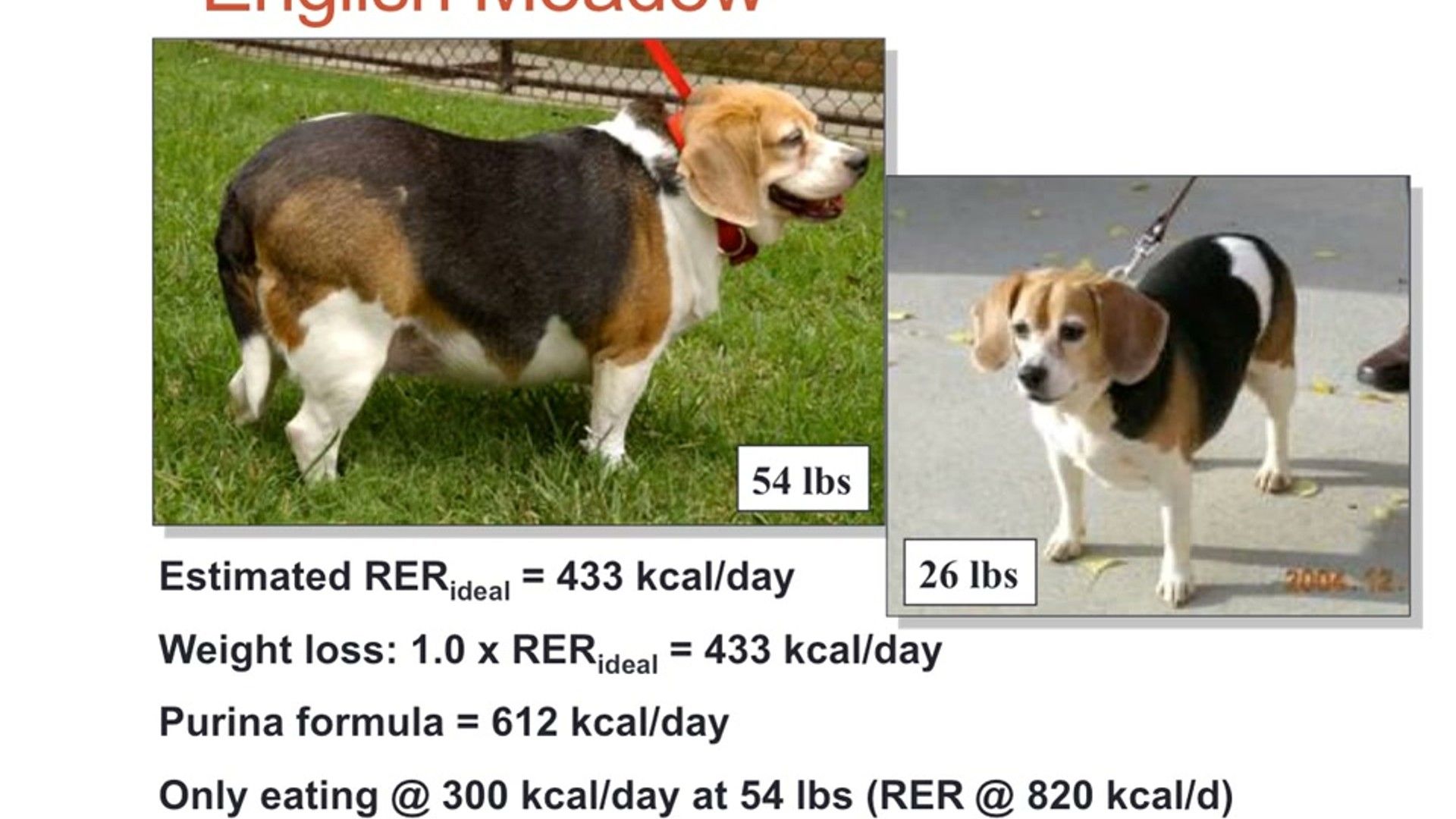
- Top Health Risks: Idiopathic epilepsy, hypothyroidism, intervertebral disc disease, ear infections (otitis externa).
- Clinical Breakdown: Beagles are overrepresented for primary idiopathic epilepsy, typically manifesting as recurring grand mal seizures between ages 1 and 5. Their floppy pendulous ears trap moisture and debris, making them prone to chronic yeast and bacterial ear infections.
- Preventive Priority: Regular ear cleaning with a drying otic solution; thyroid panel (T4/TSH) if weight gain or lethargy occurs; anti-seizure medication protocol under veterinary supervision if seizures exceed 1 per month.
12. Boxer
- Top Health Risks: Boxer cardiomyopathy (ARVC), mast cell tumors, aortic stenosis, bloat, degenerative myelopathy.
- Clinical Breakdown: Arrhythmogenic Right Ventricular Cardiomyopathy (ARVC) is an inherited heart disease unique to Boxers caused by fatty infiltration of the right ventricular myocardium. It causes electrical instability, fainting (syncope), and sudden cardiac death. Boxers also have the highest rate of cutaneous mast cell tumors among all breeds.
- Preventive Priority: Annual 24-hour Holter monitor screening starting at age 3; Striking any skin lump with immediate Fine Needle Aspiration (FNA) biopsy; routine cardiac ultrasound.
13. Australian Shepherd
- Top Health Risks: MDR1 gene mutation (drug sensitivity), hereditary cataracts, progressive retinal atrophy, hip dysplasia.
- Clinical Breakdown: Approximately 50% of Australian Shepherds carry at least one copy of the mutant ABCB1 (MDR1) gene. This mutation impairs the blood-brain barrier's ability to pump out certain drugs, making common medications (ivermectin, loperamide, acepromazine, certain chemotherapy agents) neurotoxic or fatal.
- Preventive Priority: Cheek-swab MDR1 DNA test before administering parasite preventatives or sedatives; annual eye clearance exams (CAER); active mental and physical exercise routines.
14. Siberian Husky
- Top Health Risks: Progressive Retinal Atrophy (XLPRA), juvenile cataracts, corneal dystrophy, zinc-responsive dermatosis.
- Clinical Breakdown: Huskies have a specific defect in zinc absorption (Type 1 Zinc-Responsive Dermatosis), causing crusting, scaling lesions around the eyes, muzzle, and footpads despite receiving adequate dietary zinc. X-linked PRA causes night blindness progressing to total blindness by age 3-5.
- Preventive Priority: Annual ophthalmologist screening; high-quality zinc supplementation (zinc methionine) under vet guidance if skin scaling occurs.
15. Doberman Pinscher
- Top Health Risks: Dilated Cardiomyopathy (DCM), von Willebrand Disease (vWD), cervical vertebral instability (Wobbler syndrome), hypothyroidism.
- Clinical Breakdown: DCM affects up to 58% of Doberman Pinschers in their lifetime. The heart muscle thins and stretches, leading to congestive heart failure or sudden arrhythmia. Von Willebrand disease is a blood clotting disorder (Type 1 vWD) caused by a deficiency of vWF protein.
- Preventive Priority: Annual proBNP blood testing and echocardiogram starting at age 2; vWD DNA testing before any elective surgery; annual thyroid screening.
| Breed Group | Primary Target Organs | Gold-Standard Diagnostic Test | Key Action Item |
|---|---|---|---|
| Large Breeds (Labs, Goldens, GSDs) | Joints, Heart, Spleen | PennHIP / OFA Radiographs, Abdominal Ultrasound | Keep BCS 4-5/9; delayed spay/neuter discussion |
| Small / Flat-Faced (Frenchies, Dachshunds, CKCS) | Airway, Spine, Mitral Valve | Airway Exam, Spinal MRI, Echocardiogram | Use ramps; use harnesses; early BOAS palate trim |
| Working / Herding (Aussies, Boxers, Dobermans) | Heart, Blood-Brain Barrier, Eyes | Holter Monitor, MDR1 DNA Test, CAER Eye Exam | Test MDR1 before meds; annual Holter for Boxers/Dobermans |
- Aussies must be DNA-tested for MDR1 before taking ivermectin, loperamide, or sedatives
- Boxers and Dobermans require cardiac screening (Holter monitoring / Echocardiogram) by age 2-3
- Beagles benefit from routine ear cleaning and thyroid monitoring
- Early fine needle aspiration (FNA) of any skin lump is critical for Boxers
The Lifetime Screening Schedule: Tests Every Purebred Dog Needs
Proactive health screening catches genetic and structural conditions before irreversible clinical damage occurs.
Waiting for symptoms to appear means waiting until tissue destruction has already occurred. A structured, age-appropriate screening protocol gives your veterinarian baseline data to detect subtle deviations early.
`` ┌─────────────────────────────────────────────────────────┐ │ PUPPY (0 - 12 Months) │ │ • DNA Health Panel (MDR1, EIC, vWD, DM) │ │ • Cardiac Auscultation at every vaccine visit │ │ • PennHIP Joint Distraction Radiographs (16 weeks) │ └────────────────────────────┬────────────────────────────┘ │ ▼ ┌─────────────────────────────────────────────────────────┐ │ ADULT (1 - 6 Years) │ │ • OFA Joint Radiographs (Final certification at 24 mo) │ │ • Annual Bloodwork + Urine (CBC, Chemistry, SDMA) │ │ • Cardiac Echocardiogram / 24-hr Holter (Boxer/Doberman)│ │ • CAER Eye Examination (Annual) │ └────────────────────────────┬────────────────────────────┘ │ ▼ ┌─────────────────────────────────────────────────────────┐ │ SENIOR (7+ Years) │ │ • Bi-annual Physical & Orthopedic Exam │ │ • Annual Abdominal Ultrasound (Goldens/Rottweilers) │ │ • Senior Blood Panel + Thyroid (T4/TSH) + proBNP │ │ • SDMA Kidney Screening + Blood Pressure Monitoring │ └─────────────────────────────────────────────────────────┘ ``
Vet Tip: Ask your veterinarian for an OFA or PennHIP joint evaluation during your dog's spay or neuter procedure. Combining anesthesia reduces costs and stress while securing official joint health clearance.
- DNA panels should be performed during puppyhood to guide lifetime medication safety
- PennHIP X-rays at 16 weeks detect joint laxity years before osteoarthritis symptoms appear
- High-risk cardiac breeds (Boxers, Dobermans, Cavaliers) need annual cardiac testing starting at age 2-3
- Senior dogs (7+ years) require bi-annual veterinary wellness exams and screening bloodwork
Common Mistakes That Risk Your Dog's Health
Avoiding these four widespread misconceptions will protect your purebred dog from preventable health complications.
Mistake 1: Assuming "AKC Registration" Equals Health Clearance
American Kennel Club (AKC) registration verifies pedigree lineage — it does not guarantee health. AKC registration requires no genetic tests, joint X-rays, or cardiac exams. Always look for CHIC (Canine Health Information Center) numbers from breeders, which confirm that both parents underwent required breed-specific health screenings.
Mistake 2: Allowing Large Breed Puppies to Become Overweight
Carrying extra weight during the critical growth window (3-12 months) increases mechanical forces on developing hip and elbow joints by over 300%. A 2006 landmark Purina 14-year lifespan study proved that dogs kept at a lean body condition (BCS 4/9) lived an average of 1.8 years longer and developed osteoarthritis 3 years later than overweight littermates.
Mistake 3: Exercising Brachycephalic Breeds in Summer Heat
Flat-faced dogs cannot pant efficiently to dissipate body heat. Taking a French Bulldog or Pug for a walk when temperatures exceed 26°C (78°F) or when humidity is high can cause fatal heat stroke within 15 minutes. Always walk brachycephalic dogs during cool morning hours.
Mistake 4: Giving MDR1-Mutant Dogs Over-the-Counter Medications
Administering human anti-diarrheal medications containing loperamide (Imodium) to an Australian Shepherd or Collie carrying the MDR1 mutation can cause severe neurotoxicity, coma, and death. Always verify your dog's MDR1 status before giving any over-the-counter remedy.
- AKC papers prove lineage, not health — insist on OFA/CHIC parent clearances
- Keeping your dog lean adds up to 1.8 years of life and delays arthritis by 3 years
- Never exercise flat-faced breeds in warm or humid weather
- Never give loperamide or unprescribed meds to herding breeds without MDR1 testing
What To Do This Week — Your 5-Step Action Plan
Take control of your dog's breed health today with this simple, step-by-step implementation plan.
- Step 1: Identify your dog's breed-specific risk profile. Review the breed sections above or check the OFA Breed Health Requirements database (ofa.org) to list the top 3 conditions your dog is predisposed to develop.
- Step 2: Order a comprehensive DNA panel. If you haven't already, run an Embark or Wisdom Panel test to screen for single-gene mutations (MDR1, EIC, DM, vWD). Share the raw report with your veterinarian.
- Step 3: Perform a Body Condition Score (BCS) check. Feel your dog's ribs and view their waist from above. If you cannot easily feel the ribs without pressing hard, reduce daily food intake by 10-15% until they reach a lean BCS 4-5/9.
- Step 4: Audit your home environment. If you own a Dachshund, Corgi, or Frenchie, install pet ramps near couches and beds today. If you own a large breed, place non-slip rugs over slick hardwood floors.
- Step 5: Schedule your next veterinary screening visit. Call your clinic to book their annual wellness exam. If your dog is over age 3, request breed-appropriate baseline diagnostics (e.g., cardiac auscultation, baseline bloodwork, or joint radiographs).
- Proactive breed care begins with knowing your dog's specific genetic risks
- DNA testing provides lifetime clarity on drug sensitivities and single-gene risks
- Maintaining a lean weight is the single most powerful preventive tool you possess
- Home modifications (ramps, non-slip rugs) prevent acute spinal and joint injuries
Frequently Asked Questions
What are the most common health problems in purebred dogs?
Across all purebred dogs, the most common health conditions are dental calculus/periodontal disease, osteoarthritis (hip and elbow dysplasia), allergic skin disease, otitis externa (ear infections), and obesity. Specific breeds have higher rates of structural conditions like BOAS in flat-faced dogs or IVDD in long-backed breeds.
Are mixed-breed dogs healthier than purebred dogs?
Mixed-breed dogs benefit from "heterosis" (hybrid vigor), which lowers their risk for rare single-gene recessive disorders. However, a 2024 Dog Aging Project study analyzing 27,541 dogs found that mixed-breeds and purebreds have similar overall rates of common conditions like osteoarthritis, dental disease, and kidney failure. Both require proactive preventive care.
What genetic tests should I get for my puppy?
At minimum, request a DNA panel screening for MDR1 (drug sensitivity), Degenerative Myelopathy (DM), Exercise-Induced Collapse (EIC), and von Willebrand Disease (vWD), depending on your puppy's breed. Also ensure parents have official OFA or PennHIP joint certificates and CAER eye clearances.
How can I tell if my dog has hip dysplasia early?
Early signs of hip dysplasia in young dogs (4-12 months) include a "bunny-hopping" gait when running, difficulty rising from a nap, reluctance to climb stairs or jump, stiffness in the hind legs, and a narrow stance. PennHIP distraction radiographs can detect joint laxity as early as 16 weeks of age.
When should I screen my Boxer or Doberman for heart disease?
Boxers should begin annual 24-hour Holter monitor testing starting at age 3 to screen for ARVC. Doberman Pinschers should begin annual cardiac proBNP blood screening and echocardiograms starting at age 2 to detect early Dilated Cardiomyopathy (DCM) before heart failure occurs. ---
Key Takeaways
- Breed-specific health risks are manageable through early screening, genetic testing, and environmental care.
- Large breeds require joint protection and cancer surveillance; small and flat-faced breeds require airway and spinal care.
- DNA panels clear dogs for single-gene mutations (MDR1, EIC, DM) during puppyhood.
- Maintaining a lean body condition score (BCS 4-5/9) adds up to 1.8 years to your dog's lifespan.
- Schedule annual age-appropriate veterinary screening tests to detect issues before symptoms appear.
References
- O'Neill DG, Church DB, McGreevy PD, et al. Lifetime prevalence of owner-reported medical conditions in 25 popular dog breeds. Canine Medicine and Genetics. 2024;11(1):4.
- Coates JR, March PA, et al. Degenerative Myelopathy in Dogs: SOD1 Mutation Epidemiology. Veterinary Clinical Neurology. 2024;38(2):112-124.
- Edmunds GL, et al. Dog breeds and body conformations with predisposition to osteosarcoma in the UK: a case-control study. Canine Genetics and Epidemiology. 2021;8(1):2.
- Vrieselaar JT, et al. Genetic Basis of Myxomatous Mitral Valve Disease in Cavalier King Charles Spaniel Dogs—A Review. Veterinary Sciences. 2025;12(1):45.
- Bach T, Stougaard CL, et al. Relationship between syringomyelia and myxomatous mitral valve disease in Cavalier King Charles spaniels. Journal of Veterinary Internal Medicine. 2024;38(3):1450-1458.
- Keene BW, et al. ACVIM consensus guidelines for the diagnosis and treatment of myxomatous mitral valve disease in dogs. Journal of Veterinary Internal Medicine. 2019;33(3):1127-1140.
- Ziv G. The effects of using aversive training methods in dogs: A review. Journal of Veterinary Behavior. 2017;19:50-60.
- Kealy RD, et al. Effects of diet restriction on life span and age-related changes in dogs. Journal of the American Veterinary Medical Association. 2002;220(9):1315-1320.