The Complete Dog Nutrition Guide: What Every Owner Needs to Know (2026)

Nutrition is the foundation of your dog's health — yet it is also the area most fraught with conflicting advice, marketing hype, and outright misinformation. From raw food advocates to grain-free trends, from "human-grade" labels to supplement overload, dog owners are bombarded with claims that often contradict one another.
This evidence-based guide cuts through the noise. Drawing on peer-reviewed veterinary nutrition research, AAFCO standards, and clinical experience, it covers everything you need to know about feeding your dog optimally — from puppyhood through senior years.
Table of Contents
- Understanding Macronutrients: Protein, Fat, and Carbohydrates
- Life-Stage Nutrition: Puppy, Adult, and Senior Feeding
- Fresh Dog Food vs Kibble: What the Evidence Says
- Raw Dog Food: Risks, Benefits, and Veterinary Guidance
- Portion Control and Body Condition Scoring
- Supplements: Which Ones Dogs Actually Need
- Food Allergies and Elimination Diets
- How to Read a Dog Food Label
- Homemade Dog Food: When It Works and When It Does Not
- Hydration: How Much Water Dogs Need
- Breed-Specific Nutritional Considerations
- Prescription and Therapeutic Diets
Understanding Macronutrients: Protein, Fat, and Carbohydrates
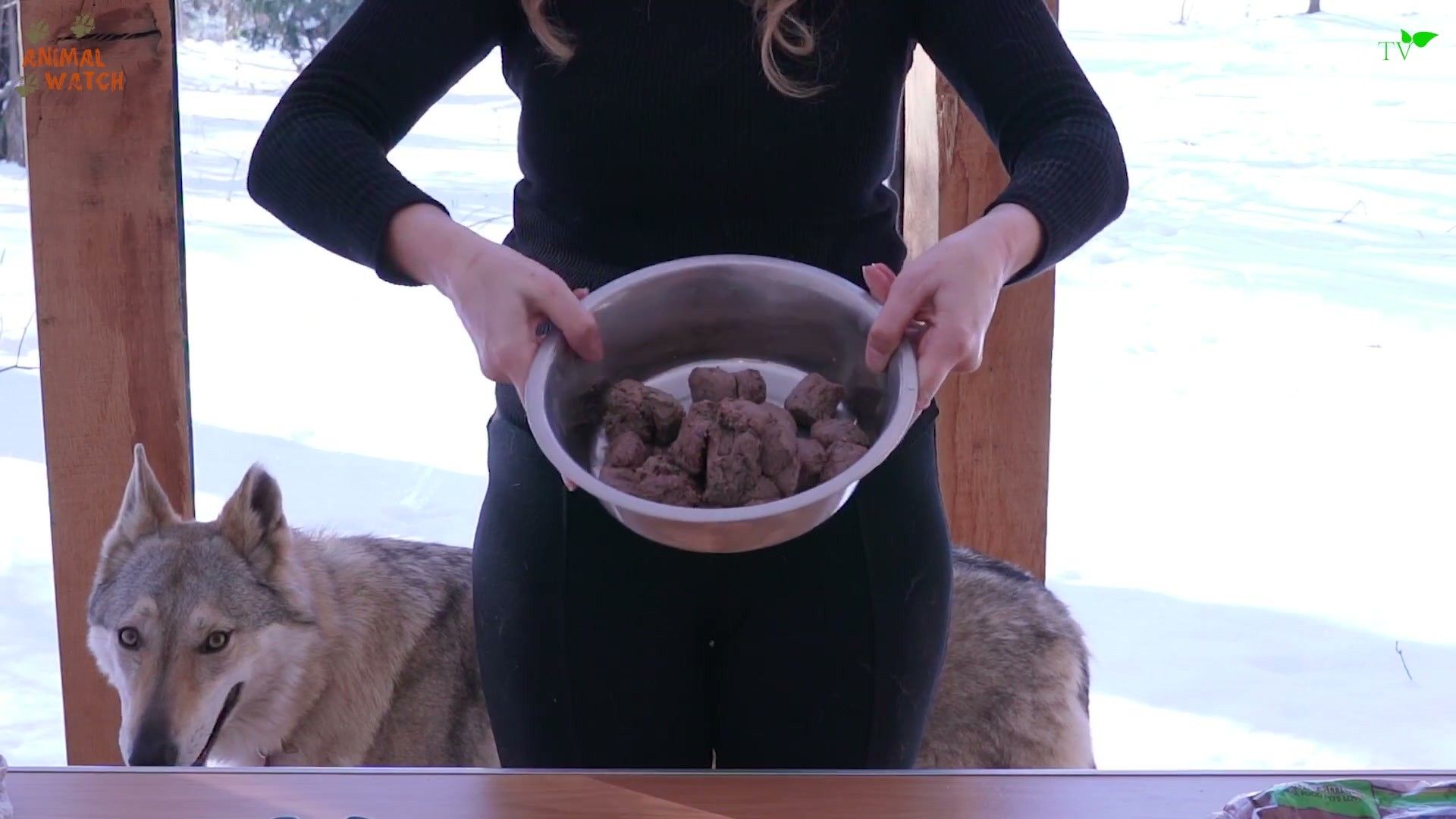
Every dog food — whether kibble, canned, raw, or fresh — is built on three macronutrients: protein, fat, and carbohydrates. Understanding what each does helps you evaluate food quality beyond marketing claims.
Protein
Protein provides the amino acids dogs need for muscle maintenance, immune function, coat health, and enzyme production. Dogs require at minimum 18% protein on a dry matter basis (22% for puppies). High-quality animal proteins (chicken, beef, fish, lamb, eggs) provide all essential amino acids in the right ratios. Plant proteins can supplement but should not be the sole source.
Fat
Fat is the most calorie-dense macronutrient and the primary energy source for dogs. It provides essential fatty acids (omega-3 and omega-6) for skin, coat, brain development, and inflammation regulation. Dogs require minimum 5% fat on a dry matter basis. Too little fat causes dry skin and dull coat; too much contributes to obesity.
Carbohydrates
Contrary to popular belief, dogs do not require carbohydrates — but they can digest and benefit from them. Complex carbohydrates (brown rice, sweet potato, oats) provide fibre, sustained energy, and prebiotics for gut health. Simple carbohydrates and fillers (corn syrup, white flour, cellulose) offer little nutritional value.
Life-Stage Nutrition: Puppy, Adult, and Senior Feeding

Dogs have different nutritional requirements at different life stages. Feeding the wrong life-stage formula can cause developmental problems in puppies or accelerate aging in seniors.
Puppy Nutrition (0-12 months)
Puppies need higher protein (22%+), higher fat (8%+), and more calories per pound than adults. Large-breed puppies require specifically formulated large-breed puppy food that controls calcium and phosphorus to prevent developmental orthopaedic disease. Feed puppies 3-4 times daily until 6 months, then transition to 2 meals.
Adult Nutrition (1-7 years)
Adult dogs need 18%+ protein, 5%+ fat on a dry matter basis. The key is maintaining ideal body condition — adjust portions based on activity level, metabolism, and individual variation. Most adult dogs do well on 2 meals per day.
Senior Nutrition (7+ years)

Senior dogs may need fewer calories (slower metabolism) but more protein (to prevent muscle wasting). Joint-supporting supplements (glucosamine, omega-3s) become more important. Some seniors benefit from 3 smaller meals to aid digestion.
| Life Stage | Protein (DMB) | Fat (DMB) | Meals/Day |
|---|---|---|---|
| Puppy (0-6 months) | 22-32% | 8-17% | 3-4 |
| Puppy (6-12 months) | 18-25% | 8-15% | 2-3 |
| Adult | 18-30% | 5-15% | 2 |
| Senior | 20-30% | 5-12% | 2-3 |
Fresh Dog Food vs Kibble: What the Evidence Says
The debate between fresh dog food and kibble is one of the most heated topics in canine nutrition. Both have legitimate advantages and limitations.
Kibble Advantages
- Convenience: Long shelf life, no refrigeration, easy portion control
- Cost: Significantly cheaper per calorie than fresh food
- Dental health: Mechanical abrasion may reduce tartar buildup (modest effect)
- Nutritional completeness: AAFCO-complete formulations meet all nutritional needs
Fresh Food Advantages
- Higher moisture content: Benefits hydration and urinary health
- Less processing: Retains more natural nutrients
- Palatability: Most dogs prefer the taste
- Ingredient transparency: You can see what you are feeding
For a detailed comparison with nutritional analysis, see our complete guide on fresh dog food vs kibble.
Raw Dog Food: Risks, Benefits, and Veterinary Guidance
Raw feeding has gained a passionate following, but veterinary organizations including the AVMA and BVA have issued warnings about the risks. The concern is not nutritional adequacy — raw diets can be nutritionally complete — but bacterial contamination.
The Risks
- Salmonella: Found in 20-35% of commercial raw dog foods tested
- Listeria: Can survive freezing and contaminate household surfaces
- E. coli: Raw meat is a common vector
- Cross-contamination: Dogs shed bacteria in saliva and faeces for weeks
Who Is at Risk?
Household members who are immunocompromised, elderly, very young, or pregnant face the highest risk. The FDA recommends against raw diets in households with these populations.
For a complete evidence-based analysis, see our detailed guide on raw dog food safety and risks.
Portion Control and Body Condition Scoring

Over 56% of dogs in the US are overweight or obese — making this the most common nutritional disorder in dogs. The solution is not feeding less of a bad diet, but feeding the right amount of a good diet.
Body Condition Score (BCS)
The BCS is a 1-9 scale that assesses fat covering over the ribs, spine, and tail base:
- 1-3 (Underweight): Ribs, spine, and hip bones prominently visible
- 4-5 (Ideal): Ribs easily felt with light pressure, visible waist from above, abdominal tuck from side
- 6-7 (Overweight): Ribs difficult to feel under fat, no visible waist
- 8-9 (Obese): Ribs cannot be felt, no abdominal tuck, fat deposits on face and limbs
Calculating Calories
Most adult dogs need 25-30 calories per pound of body weight per day. Active dogs may need 40+ calories per pound. Senior or sedentary dogs may need as few as 20. Use the food label's calorie count to calculate portions — measuring cups are more accurate than eyeballing.
Supplements: Which Ones Dogs Actually Need
The supplement industry is largely unregulated, and many products lack evidence of benefit. Here is what the research actually supports:
Strong Evidence
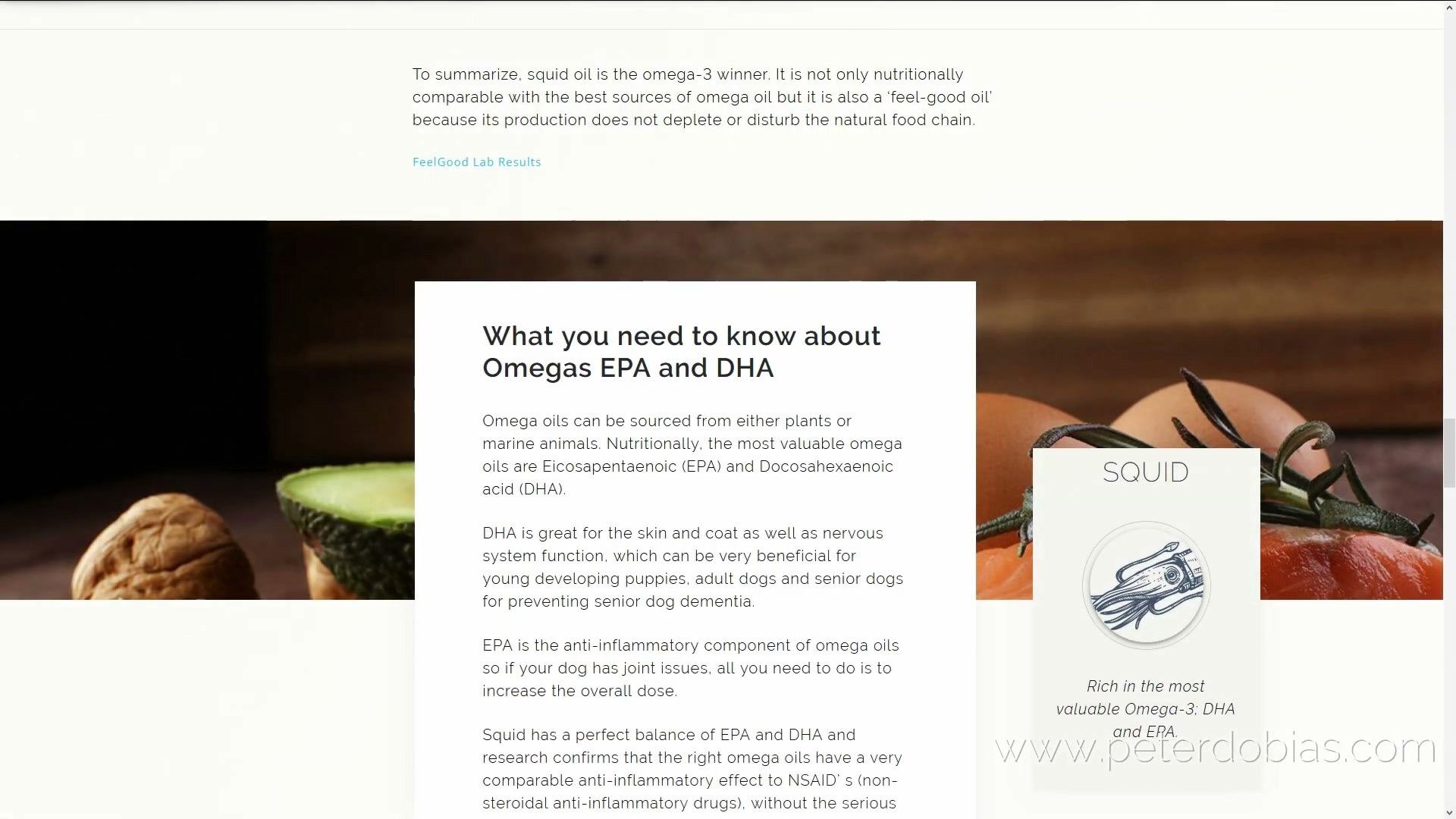
- Omega-3 fatty acids (EPA/DHA): Anti-inflammatory, benefits for skin, joints, and cognitive function. Fish oil is the best source.
- Probiotics: May help with diarrhoea, antibiotic recovery, and stress-related GI issues. Strain-specific products have the best evidence.
- Glucosamine/chondroitin: Modest evidence for joint support in dogs with osteoarthritis. Best started early in at-risk breeds.
Weak or No Evidence
- Multivitamins: Unnecessary for dogs eating complete commercial food
- Joint supplements for healthy dogs: No evidence of preventive benefit
- Calming supplements: Most lack rigorous study; pheromone products have some evidence
For a complete evidence review, see our guide on best supplements for dogs.
Food Allergies and Elimination Diets
True food allergies affect approximately 1-2% of dogs — far less commonly than most owners suspect. The most common allergens are beef, dairy, chicken, wheat, and egg. Symptoms include itching (especially ears and paws), gastrointestinal upset, or both.
The Elimination Diet Protocol
- Choose a protein and carbohydrate your dog has never eaten (e.g., venison and potato)
- Feed ONLY these two ingredients for 8-12 weeks
- If symptoms resolve, reintroduce one protein every 2 weeks
- If symptoms return, that protein is the allergen
For the complete protocol and hypoallergenic diet options, see our guide on dog food allergies and hypoallergenic diets.
How to Read a Dog Food Label
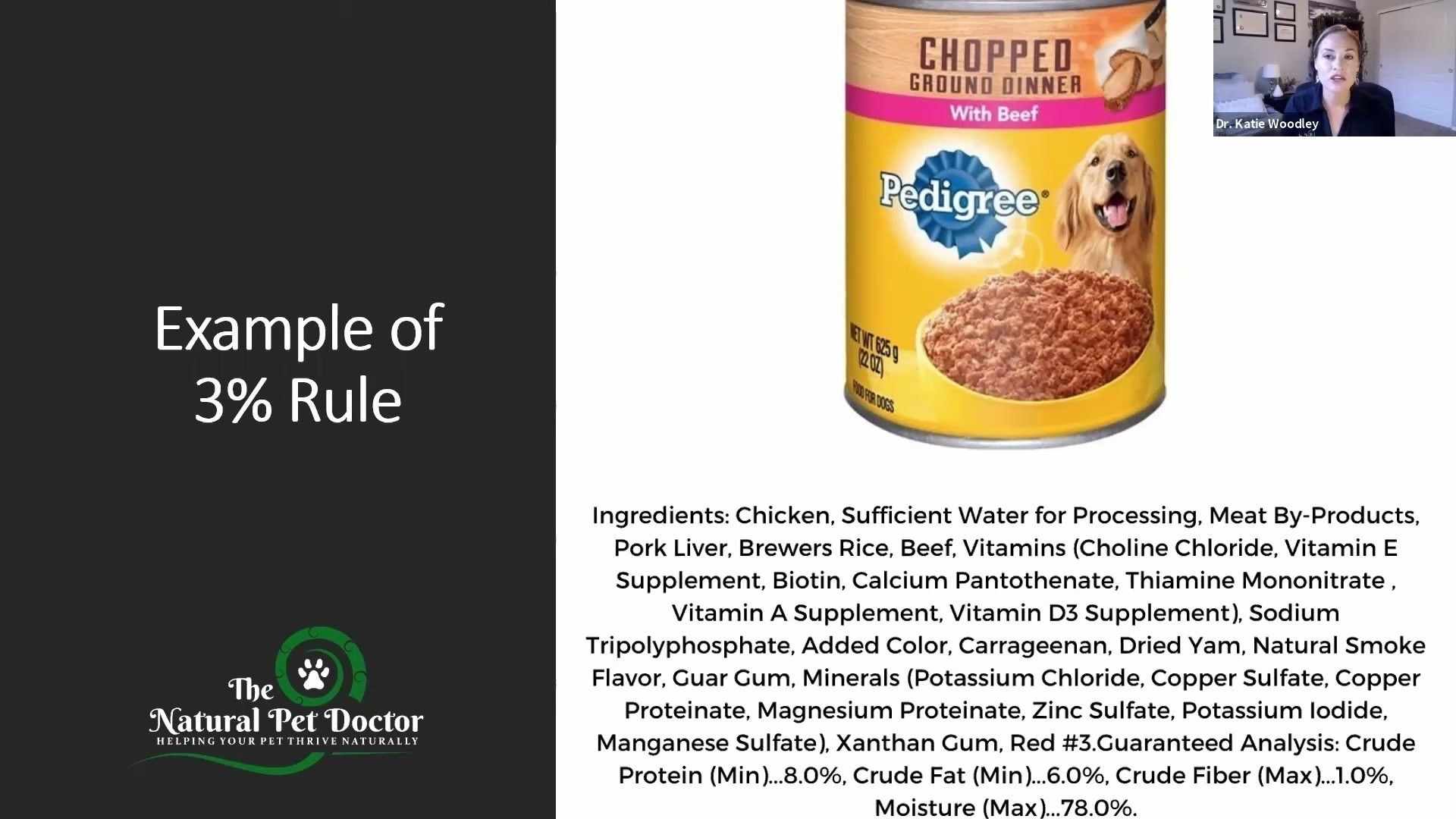
Dog food labels are designed to sell, not inform. Here is what to actually look for:
The AAFCO Statement
Look for: "[Product name] is formulated to meet the nutritional levels established by the AAFCO Dog Food Nutrient Profiles for [life stage]." This confirms the food is nutritionally complete.
Ingredient List
- First ingredient should be a named animal protein (e.g., "chicken" not "poultry by-product")
- Meat meals (e.g., "chicken meal") are concentrated protein — not inferior
- Avoid foods with artificial colours, BHA/BHT preservatives, or sweeteners
Guaranteed Analysis
This shows minimum percentages of protein and fat, and maximum percentages of fibre and moisture. To compare foods fairly, convert to dry matter basis by removing moisture content.
For a step-by-step label reading guide, see our detailed article on how to read a dog food label.
Homemade Dog Food: When It Works and When It Does Not
Homemade diets can be excellent — but only when formulated with a veterinary nutritionist. Studies show that over 95% of homemade dog food recipes found online are nutritionally deficient.
When Homemade Works
- When formulated by a board-certified veterinary nutritionist
- When using a complete and balanced recipe with specific supplements
- When you have the time and resources to prepare meals consistently
Common Deficiencies in DIY Recipes
- Calcium: The most common deficiency — meat without bone is severely calcium-deficient
- Zinc, iron, manganese: Often missing without proper supplementation
- Vitamin D: Dogs cannot synthesize vitamin D from sunlight like humans
For safe homemade diet guidelines, see our guide on homemade dog food safety.
Hydration: How Much Water Dogs Need
Dogs need approximately 1 ounce of water per pound of body weight per day — more in hot weather, during exercise, or on dry food diets. Dehydration can cause kidney problems, urinary stones, and lethargy.
Signs of Dehydration
- Sticky gums or dry nose
- Skin tenting (lift skin on back of neck — it should snap back immediately)
- Lethargy or reduced appetite
- Dark yellow urine or reduced urination
Encouraging Water Intake
- Provide fresh, clean water in multiple locations
- Clean water bowls daily to prevent biofilm
- Add water or bone broth to dry food
- Use a pet water fountain — many dogs prefer running water
For detailed hydration guidance, see our article on dog hydration requirements.
Breed-Specific Nutritional Considerations
While all dogs share basic nutritional needs, breed size and genetics create important differences:
Large Breeds (50+ lbs)
- Growth rate control: Large-breed puppy food prevents too-rapid growth that causes joint problems
- Calcium/phosphorus ratio: Critical during growth — excess calcium causes developmental orthopaedic disease
- Joint support: Glucosamine and omega-3s are particularly beneficial
Small Breeds (<20 lbs)
- Higher metabolic rate: Need more calories per pound
- Smaller kibble: Dental health and choking prevention
- Hypoglycaemia risk: Small puppies need frequent meals to maintain blood sugar
Breed-Specific Conditions
- Dalmatians: Low-purine diet to prevent urate stones
- Cocker Spaniels: Lower fat to reduce pancreatitis risk
- Boxers: Taurine supplementation may help prevent dilated cardiomyopathy
- Golden Retrievers: Weight management — genetically prone to obesity
For breed-specific nutrition recommendations, see our guide on best dog food by breed.
Prescription and Therapeutic Diets
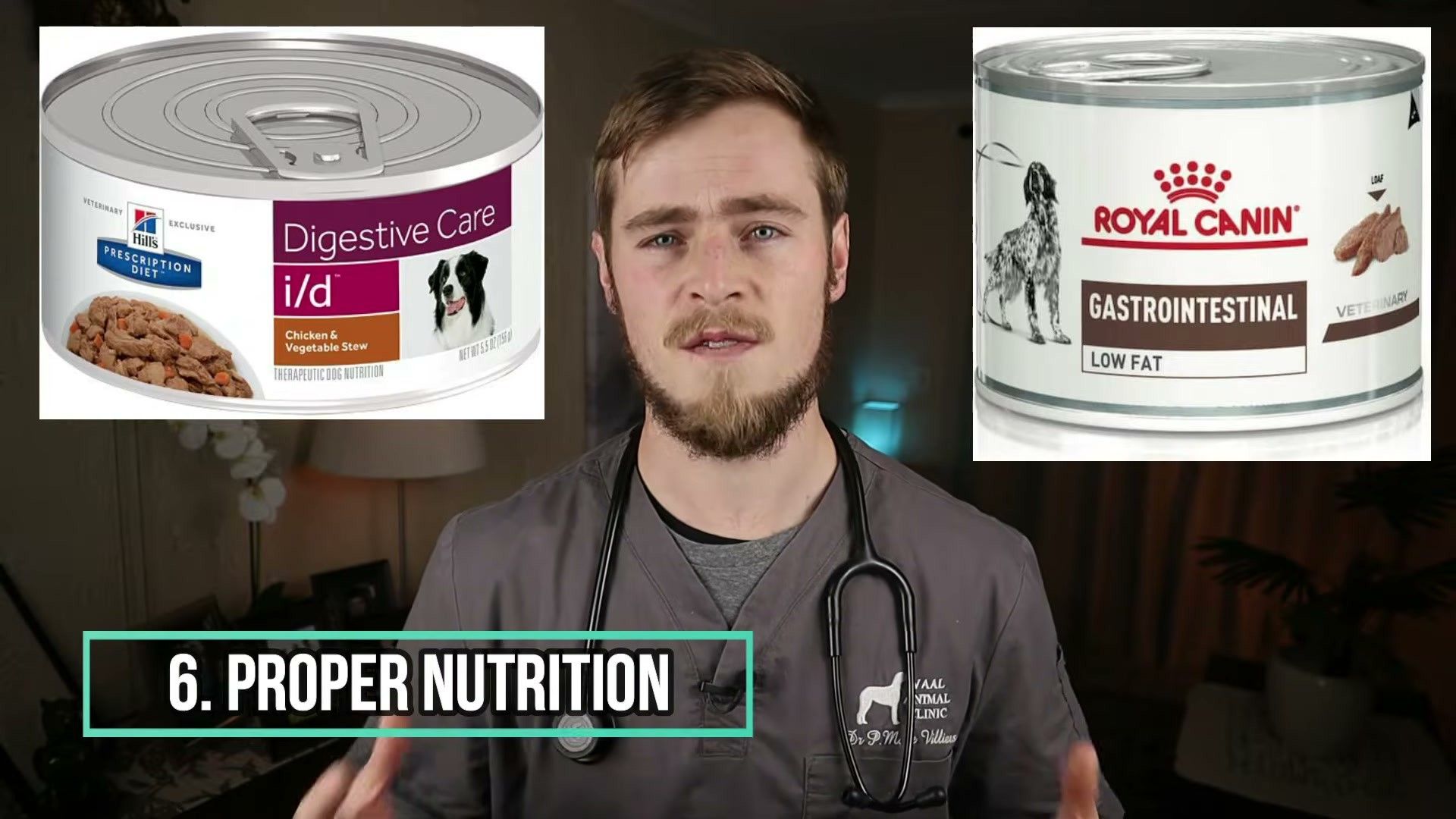
Veterinary prescription diets are formulated for specific medical conditions. They are not marketing gimmicks — they are evidence-based nutritional interventions.
When Prescription Diets Are Necessary
- Chronic kidney disease: Reduced phosphorus and moderate protein
- Diabetes: High fibre, complex carbohydrates for glucose regulation
- Heart disease: Sodium restriction, taurine and L-carnitine supplementation
- Urinary stones: pH manipulation and mineral restriction
- GI disorders: Highly digestible, low-fat, or hydrolysed protein formulas
Are They Worth the Cost?
For diagnosed conditions, yes — the nutritional modification can slow disease progression and improve quality of life. For general wellness, they offer no advantage over standard complete foods.
For guidance on when your vet may recommend a therapeutic diet, see our article on prescription dog food.
Key Takeaways
- Protein is the most important macronutrient — look for named animal proteins as the first ingredient
- Life-stage appropriate feeding matters — puppies, adults, and seniors have different needs
- Portion control prevents obesity — use body condition scoring, not just the feeding guide
- Most supplements are unnecessary for dogs eating complete commercial food
- AAFCO compliance is the gold standard — always check for the nutritional adequacy statement
- Consult your veterinarian before making significant dietary changes
Frequently Asked Questions
How much should I feed my dog each day?
Most adult dogs need 25-30 calories per pound of body weight per day, but this varies by activity level, breed, and metabolism. Use a body condition score to adjust portions — you should be able to feel ribs without excess fat covering.
Is grain-free dog food better for dogs?
No. The FDA has investigated a potential link between grain-free diets and dilated cardiomyopathy (DCM) in dogs. Unless your dog has a diagnosed grain allergy, grains are a healthy, nutritious ingredient.
What is the best protein source for dogs?
Any high-quality animal protein — chicken, beef, fish, lamb, or eggs — provides complete amino acids. The best protein is one your dog tolerates well and that meets AAFCO nutritional adequacy standards.
Should I feed my dog wet or dry food?
Both are nutritionally complete. Dry food is more convenient and cost-effective. Wet food has higher moisture content which benefits hydration. Many owners use a combination of both.
Can dogs be vegetarian or vegan?
Dogs can survive on carefully supplemented plant-based diets, but it requires meticulous planning with a veterinary nutritionist. Most dogs thrive on diets containing animal protein.
How often should I feed my adult dog?
Two meals per day (morning and evening) is the standard recommendation for most adult dogs. Puppies under 6 months need 3-4 meals daily. Senior dogs may benefit from 2-3 smaller meals.
What human foods are safe for dogs?
Safe options include plain cooked chicken, carrots, blueberries, plain rice, pumpkin, and watermelon (seedless). Never feed dogs chocolate, grapes, onions, garlic, xylitol, or cooked bones.
How do I switch my dog to a new food?
Transition over 7-10 days: 25% new food for days 1-3, 50% for days 4-6, 75% for days 7-9, 100% on day 10. This prevents digestive upset from abrupt dietary changes.
Do dogs need supplements if they eat commercial food?
Dogs eating AAFCO-complete commercial food generally do not need supplements. Omega-3 fatty acids and probiotics may benefit specific conditions. Always consult your veterinarian before adding supplements.
How do I know if my dog is overweight?
Use the body condition score: you should be able to feel ribs with light pressure, see a visible waist from above, and have an abdominal tuck from the side. If you cannot feel ribs easily, your dog is likely overweight.
References
- Association of American Feed Control Officials (AAFCO). (2025). Official Publication.
- National Research Council. (2006). Nutrient Requirements of Dogs and Cats. National Academies Press.
- Freeman, L.M., et al. (2013). Current knowledge about the risks and benefits of raw meat-based diets for dogs and cats. JAVMA, 243(11), 1549-1554.
- Stockman, J., et al. (2013). Evaluation of recipes of home-prepared maintenance diets for dogs. JAVMA, 242(11), 1500-1505.
- Ahmad, M.U., et al. (2024). Grain-free diets and dilated cardiomyopathy: an updated FDA investigation. JAVMA, 263(8), 912-920.
- Zanghi, B.M. (2018). Water and nutrient requirements in dogs. Animal Frontiers, 8(4), 20-25.