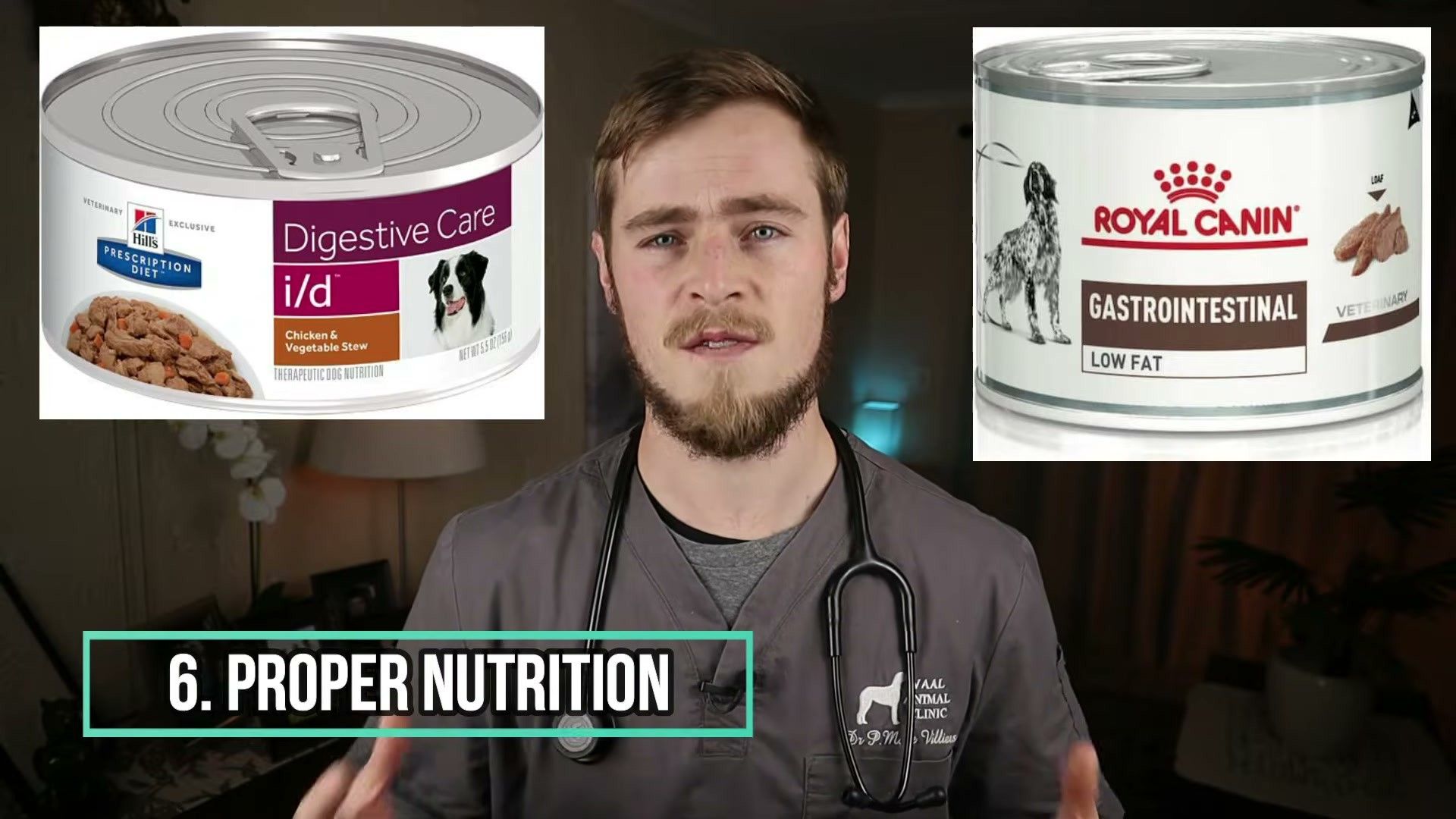
Homemade Dog Food: Pros, Cons, and Veterinary Safety Guidelines
Quick Answer
- Homemade dog food can provide complete nutrition when formulated to AAFCO standards under veterinary guidance.
- Research shows 95% of home-cooked dog food recipes lack at least one essential nutrient.
- Fewer than 15% of owners stick to a homemade diet plan after one year due to diet drift.
- Homemade food is rarely cheaper than commercial food when accounting for ingredients, supplements, and labor time.
- The safest approach is consulting a board-certified veterinary nutritionist before starting.
Not sure where to start? Find your situation below:
| If your dog has... | Go to this section |
|---|---|
| Food allergies or sensitivities | When Homemade Food Makes Sense |
| Digestive issues or IBD | When Homemade Food Makes Sense |
| Picky eating or appetite loss | When Homemade Food Makes Sense |
| Recovering from surgery or illness | When Homemade Food Makes Sense |
| Puppy or senior status | When Commercial Food Is the Better Choice |
| Budget constraints | The Real Cost: Homemade vs Commercial |
| No specific issues, just curious | What Homemade Dog Food Actually Means |
You stand in the pet food aisle staring at labels — "grain-free," "limited ingredient," "holistic," "human-grade." Your dog has itchy skin, or loose stools, or just seems bored with dinner. The homemade dog food blogs promise fresher ingredients, no preservatives, and a stronger bond with your pet. But the veterinary literature tells a more complicated story. One that starts with a shocking statistic: a landmark University of California study found that 95% of home-cooked dog food recipes lack at least one essential nutrient. This article breaks down what homemade dog food actually requires, where the real risks lie, and how to decide whether it's right for your dog. Also see our guides on fresh dog food vs kibble, raw dog food safety, and best supplements for dogs.

What Homemade Dog Food Actually Means
Homemade dog food means you control every ingredient that enters your dog's bowl — but "homemade" has no regulatory definition, and "fresh" or "raw" are entirely different categories with their own risk profiles.
The term covers a wide spectrum. At one end, you have owners who cook chicken and rice in their kitchen using a recipe found on a blog. At the other, you have professionally formulated meal plans created by board-certified veterinary nutritionists, complete with measured supplements and portion-controlled packaging. Both are technically "homemade," but only one meets the standard for a safe, complete diet.
AAFCO has no definition for "homemade dog food." What matters is whether any diet carries a complete-and-balanced statement for your dog's specific life stage. The Association of American Feed Control Officials defines nearly 40 essential nutrients that must be present in correct ratios for a diet to be considered complete.
Did You Know: Fresh commercial pet food companies must meet AAFCO standards and are regulated. Your home kitchen has no regulator — quality control is entirely your responsibility.
Key Takeaways
- Homemade dog food means you control ingredients, but has no regulatory definition
- Complete and balanced means meeting AAFCO nutrient profiles for your dog's life stage
- Fresh and raw are different categories — homemade can be gently cooked in your kitchen
The Pros and Cons: What the Evidence Actually Says
Homemade dog food offers genuine advantages in ingredient control and freshness, but the evidence base reveals a disadvantage that most blogs ignore: nutritional imbalance is the norm, not the exception.
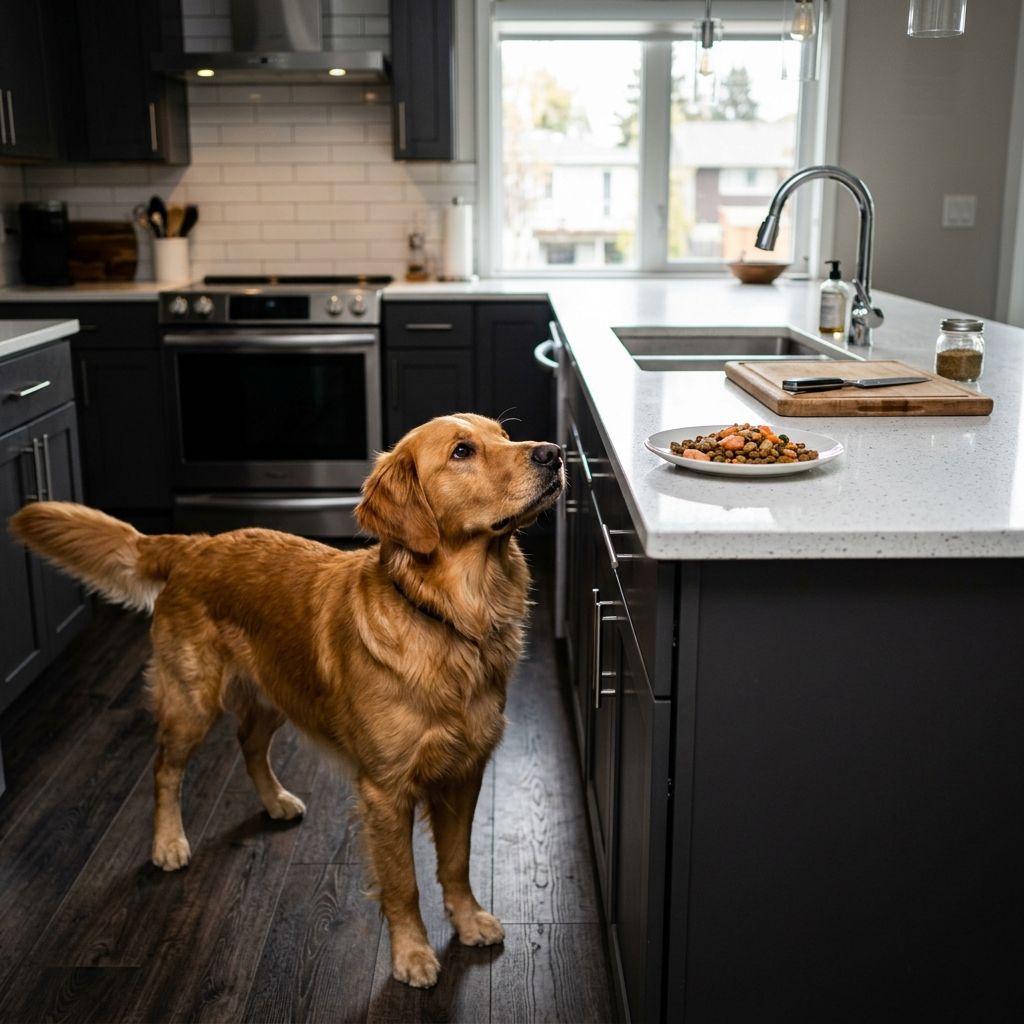
Pros of Homemade Dog Food
| Advantage | Evidence |
|---|---|
| Ingredient control | You choose every protein, carbohydrate, and fat source. Critical for dogs with severe food allergies. |
| No preservatives or fillers | Homemade diets avoid synthetic shelf-stabilizing agents. |
| Freshness and hydration | Fresh-cooked food contains 60-75% moisture vs. kibble's 6-10%. |
Cons of Homemade Dog Food
| Disadvantage | Evidence |
|---|---|
| Nutritional imbalance | Stockman et al. 2013 found 95% of 200 analyzed recipes lacked at least one essential nutrient. |
| Diet drift | Johnson et al. 2016 found only 13% of owners maintained exact recipe adherence over time. |
| Time and Cost | Prep requires 3-5 hours weekly, and ingredient costs rival premium commercial diets. |
Key Takeaways
- The strongest pro is ingredient control — but control without knowledge creates risk
- The biggest con is nutritional imbalance, not cost or time
- Homemade diets require strict adherence to recipes, which most owners modify over time
The 95% Problem: Why Most Homemade Diets Fail
A landmark UC Davis study found that 95% of 200 home-cooked dog food recipes lacked at least one essential nutrient — and a follow-up study found that fewer than 15% of owners stuck to their original recipe after one year.
The Stockman et al. 2013 study evaluated 200 recipes from books, websites, and magazines against AAFCO and NRC nutrient standards. 95% lacked at least one essential nutrient, and 84% lacked multiple nutrients. The most common deficiencies were calcium and phosphorus imbalances.
Furthermore, Johnson et al. 2016 surveyed 93 owners and found that only 13% demonstrated exact adherence to their prescribed recipes. Researchers termed this "diet drift" — a gradual, unintentional erosion of nutritional completeness as owners swap ingredients or skip expensive supplements.
Vet Tip: If you've been feeding a homemade diet for more than six months without veterinary oversight, schedule a blood panel to check calcium, phosphorus, and vitamin levels.
Key Takeaways
- 95% of online/book homemade recipes lack at least one essential nutrient
- Only 10 out of 200 analyzed recipes met all nutrient standards
- "Diet drift" leads fewer than 15% of owners to stick to a precise recipe after one year
The Nutrient Checklist: What Every Bowl Needs
Dogs require nearly 40 essential nutrients daily — no single ingredient provides them all.
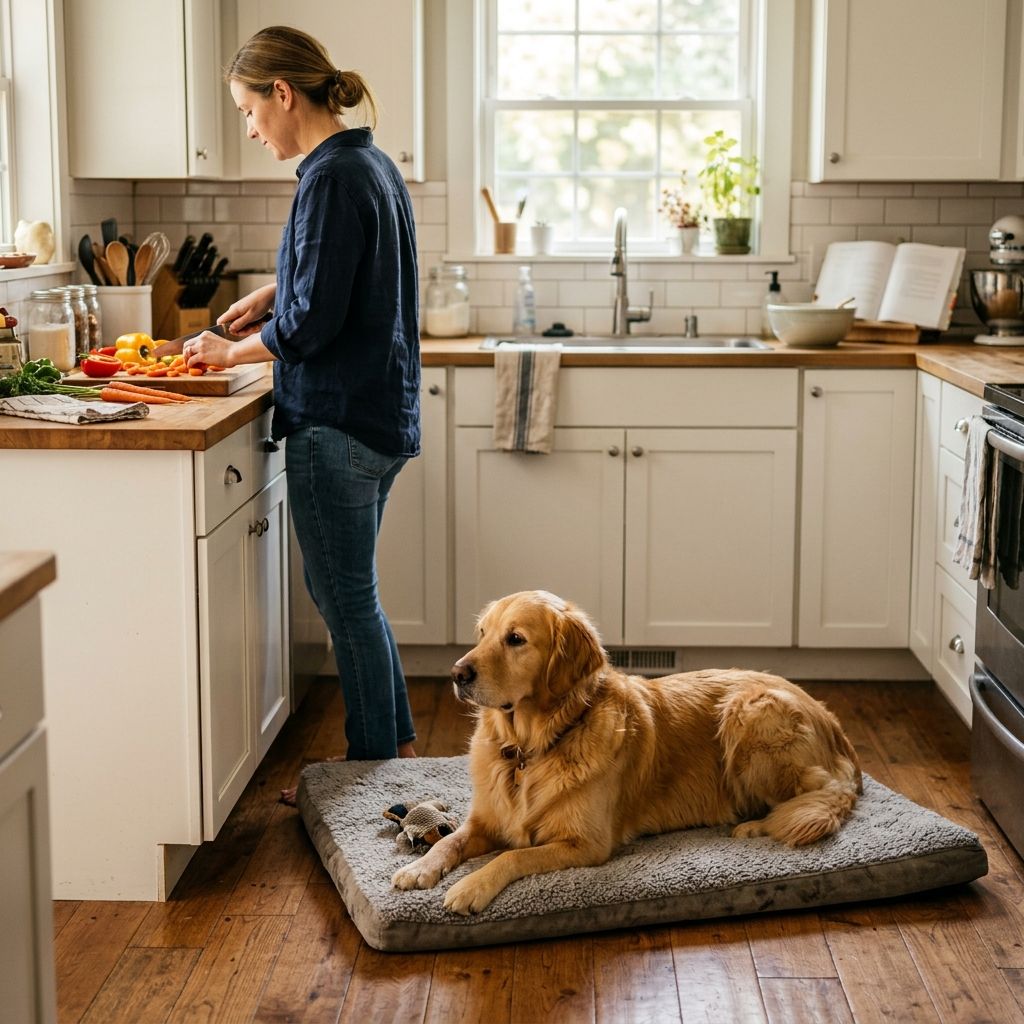
A complete bowl requires balanced protein (18-22% dry matter), healthy fats (5-15%), carbohydrates, 12 essential minerals, and 11 vitamins. Meat alone is high in phosphorus and low in calcium, creating a dangerous calcium:phosphorus imbalance if not supplemented.
Key Takeaways
- Dogs need nearly 40 essential nutrients daily
- Calcium:phosphorus ratio (1.2:1 to 2:1) is the most critical balance in homemade diets
- Vitamin and mineral supplementation is mandatory for meat-based recipes
The Safety Protocol: How to Cook for Dogs
Homemade dog food carries the same bacterial contamination risks as human food — Salmonella, E. coli, and Listeria.

- Source ingredients safely: Use reputable suppliers and fresh produce.
- Prevent cross-contamination: Separate cutting boards for meat and vegetables.
- Cook to safe temperatures: Ground meat to 160 F (71 C), poultry to 165 F using a digital thermometer.
- Cool and store properly: Refrigerate within 2 hours; freeze portions beyond 3 days.
- Transition gradually: Shift from commercial to homemade over 7-14 days.
Key Takeaways
- Cook ground meat to 160 F to destroy pathogens
- Refrigerate batch preps within 2 hours of cooking
- Transition over 7-14 days to prevent digestive upset
The Real Cost: Homemade vs Commercial Dog Food
AVMA economic analysis confirms that homemade food is rarely cheaper than commercial food when accounting for quality meat, supplements, and time.
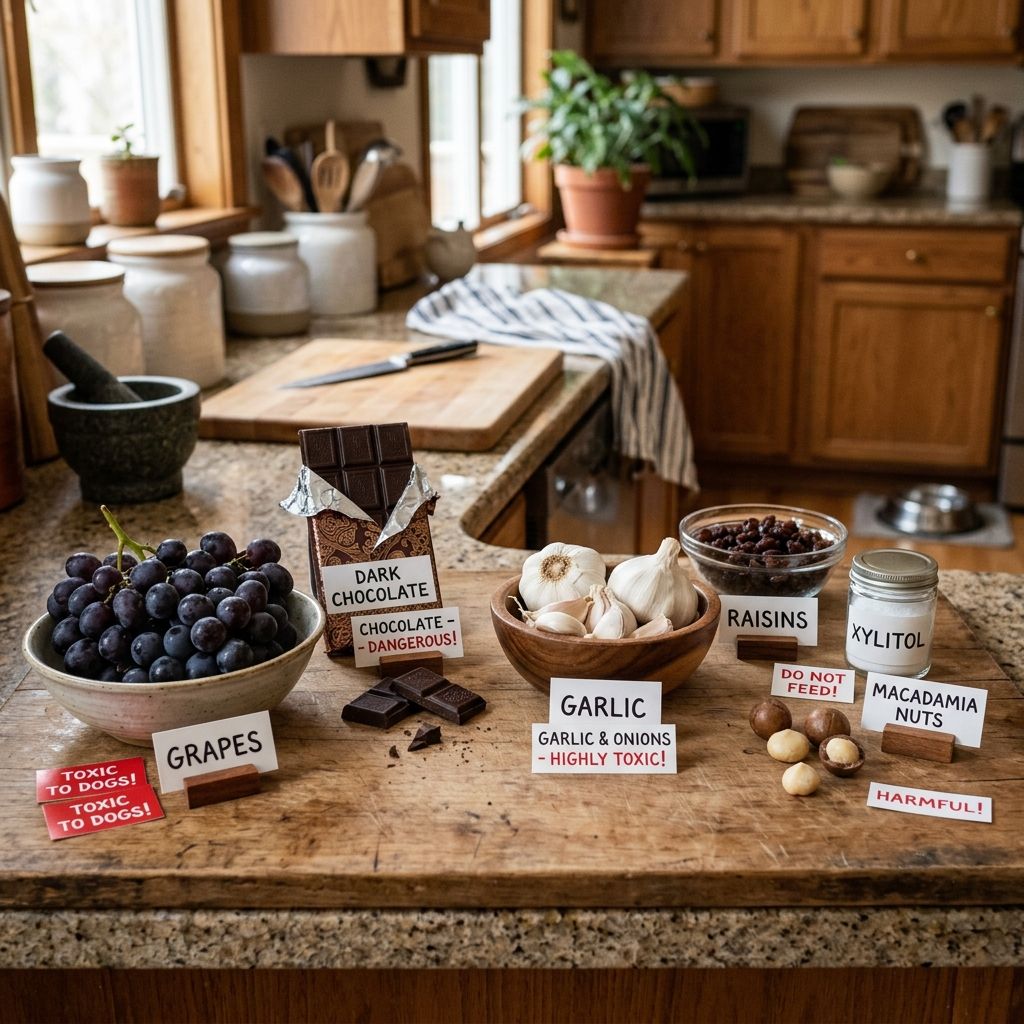
For a 50-lb dog, ingredient and supplement costs range from $100 to $250 monthly. When factoring in 8-12 hours of monthly prep labor and equipment, homemade food costs significantly more per calorie than dry kibble.
Key Takeaways
- Homemade food costs $100-250/month for a 50-lb dog in ingredients alone
- Hidden labor cost: 8-12 hours monthly for shopping, prep, and cooking
- Compare cost per calorie, not cost per pound
When Homemade Food Makes Sense
Homemade food makes medical sense for severe food allergies requiring strict elimination diets, chronic IBD, or post-surgical recovery under DACVN supervision.
Key Takeaways
- Medical necessity (severe allergies, IBD) is the strongest indication for homemade diets
- Must be formulated by a board-certified veterinary nutritionist
When Commercial Food Is the Better Choice
For puppies, immunocompromised dogs, dogs on prescription diets, or busy households, AAFCO-complete commercial food is the safest option.
Common Mistake: Feeding puppies a homemade diet. Puppies have very narrow calcium and phosphorus tolerances — mistakes cause irreversible bone deformities.
Key Takeaways
- Puppies and growing dogs should avoid unformulated homemade diets
- Commercial AAFCO-complete food provides tested, safe, baseline nutrition
How to Consult a Veterinary Nutritionist

Consult a Diplomate of the American College of Veterinary Nutrition (DACVN) via acvn.org or aavn.org. Virtual consultations range from $100 to $300 and provide complete, customized recipes tailored to your dog's exact metabolic profile.
Key Takeaways
- DACVN nutritionists are board-certified veterinary specialists
- Virtual consultations offer accessible recipe formulation and bloodwork monitoring
Frequently Asked Questions
Is homemade dog food better than commercial?
Homemade dog food is not inherently better. Commercial AAFCO-complete foods are tested for balance. Homemade diets only offer advantages when tailored to your dog's specific medical needs under veterinary guidance.
What supplements does homemade dog food need?
At minimum, homemade diets require a calcium supplement to balance phosphorus in meat, plus a comprehensive vitamin and mineral premix and omega-3 fatty acids.
Can I follow a homemade dog food recipe I found online?
Most online recipes are incomplete. A landmark UC Davis study found 95% of 200 analyzed recipes lacked essential nutrients. Only use recipes from board-certified veterinary nutritionists.
Is homemade dog food cheaper than commercial food?
No. When accounting for quality ingredients, supplements, equipment, and labor time, home cooking costs $100-250/month for a medium dog — comparable to premium commercial food.
Key Takeaways
- Homemade dog food can be safe and complete — but only when formulated by a board-certified veterinary nutritionist.
- 95% of home-cooked recipes lack essential nutrients, and fewer than 15% of owners adhere to recipes over time.
- Homemade diets are rarely cheaper than commercial food and are unsuitable for puppies without expert oversight.
- Consulting a DACVN before starting is the single safest path.
References
- Stockman J, Fascetti AJ, Kass PH, Larsen JA. Evaluation of home-prepared maintenance diets for dogs. JAVMA. 2013;243(3):1-8.
- Johnson LN, Linder DE, Heinze CR, et al. Evaluation of owner experiences and adherence to home-cooked diet recipes for dogs. JSAP. 2016.
- American College of Veterinary Nutrition (ACVN). Home-Prepared Dog Food Guidelines. 2023.
- Association of American Feed Control Officials (AAFCO). Official Publication: Nutrient Profiles. 2023.
- AVMA. Economic Analysis: Home Cooking vs Commercial Pet Food. 2022.
- FDA CVM. Investigation into Diet-Associated DCM in Dogs. 2019.