Lyme Disease and Tick-Borne Illnesses in Dogs: Veterinary Evidence Review
Quick Answer
- Lyme disease in dogs is caused by the bacterium Borrelia burgdorferi, transmitted by black-legged tick bites that remain attached for 24–48 hours or longer.
- Only 5–10% of seropositive dogs develop clinical disease, but when symptoms appear, they include lameness, fever, lethargy, and swollen lymph nodes — typically 2–5 months after infection.
- Standard treatment is doxycycline 10 mg/kg orally twice daily for 28 days, which resolves lameness in approximately 92% of dogs within 48 hours.
- Tick prevention (oral isoxazolines, topical treatments, or collars) is 88–100% effective at preventing Lyme and other tick-borne diseases; geographic risk is expanding northward annually.
- Lyme nephritis, a rare but fatal kidney complication, occurs in fewer than 2% of infected dogs but carries an 80%+ mortality rate — early diagnosis and prevention are critical.
Not sure where to start? Find your situation below:
| If your dog has... | Go to this section |
|---|---|
| Sudden lameness or limping | First Signs of Lyme Disease in Dogs |
| Was bitten by a tick — what now? | How Your Dog Gets Lyme Disease + Practical Protocol |
| The vet mentioned co-infections | The Co-Infection Problem |
| Been diagnosed — what is the treatment? | Canine Lyme Disease Treatment |
| Want to prevent this from happening again | Tick Prevention for Dogs |
| Kidney issues after Lyme diagnosis | Lyme Nephritis (within Treatment section) |
| Lives in a high-risk area | Geographic Risk Mapping (within Transmission section) |
Your dog has been limping for three days. You found a tick on her coat two weeks ago during a weekend hike in the woods. You search the internet and find a confusing mix of advice: some forums say it's Lyme, others say it's just a sprain, and the vaccine debate only adds to the noise. What you need is a clear, evidence-based answer from someone who has spent fifteen years studying how these bacteria invade a dog's body, what they do to the joints and kidneys, and exactly which interventions actually work. This article breaks down the complete veterinary evidence on Lyme disease and tick-borne illnesses in dogs — from transmission mechanics and symptom recognition to co-infection risks, diagnostic testing, treatment protocols, and year-round prevention strategies.
How Your Dog Gets Lyme Disease
Lyme disease requires an infected tick to be attached for at least 24 hours — early removal dramatically reduces risk.
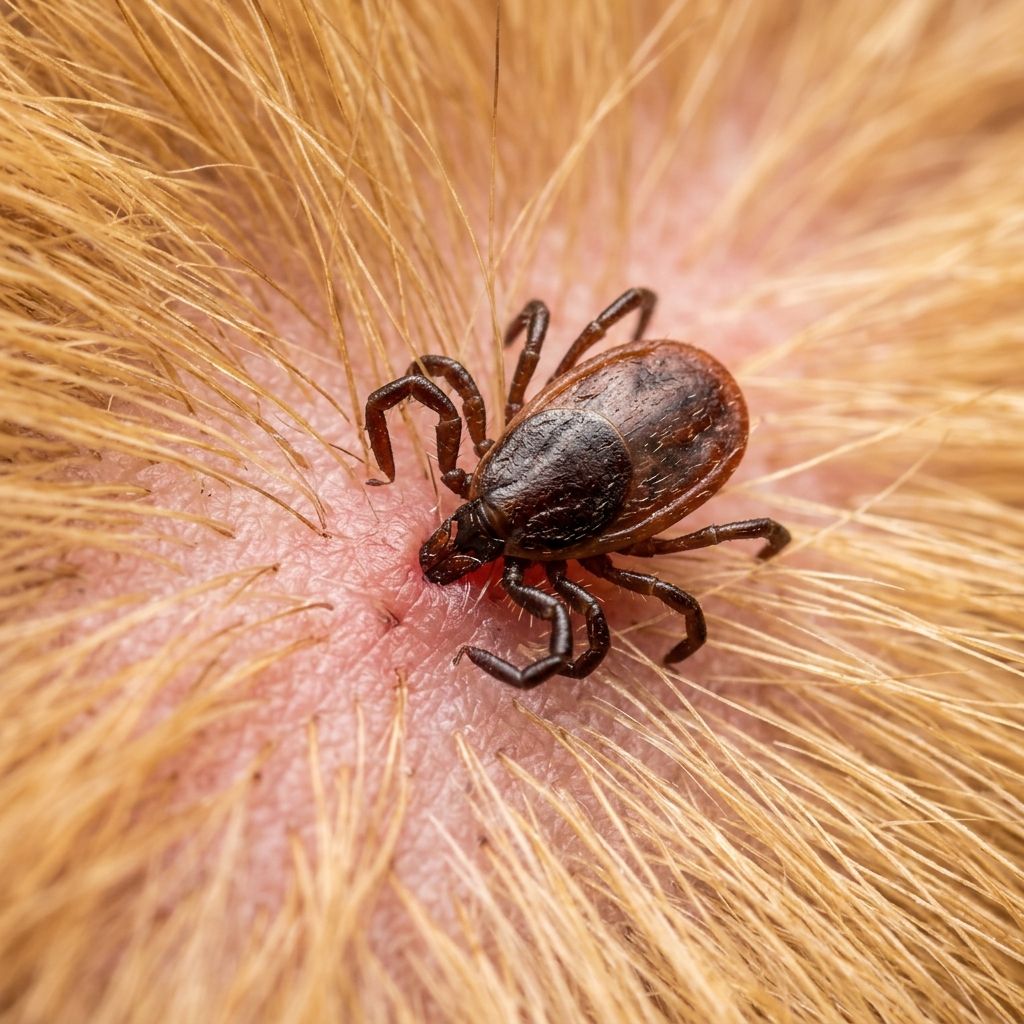
The bacterium Borrelia burgdorferi is a spirochete — a corkscrew-shaped organism — that lives in the midgut of black-legged ticks. When an infected tick latches onto your dog, the bacterium remains trapped in the tick's gut until the tick has been feeding for roughly 24 to 48 hours. During that window, the spirochete migrates from the tick's midgut to its salivary glands, then enters your dog's bloodstream through the bite site. Transmission probability is essentially zero if you remove the tick within the first 12 hours, climbs to about 15% at 24 hours, reaches 50% at 48 hours, and exceeds 90% by 72 hours of continuous attachment. The primary vector in the eastern and midwestern United States is Ixodes scapularis, while Ixodes pacificus dominates on the West Coast. Nymphs — immature ticks roughly the size of a poppy seed — are responsible for most transmissions because they are small enough to escape detection for days.
What many owners do not realize is that exposure does not equal illness. Seroprevalence studies in endemic regions show that 5–15% of dogs test positive for Borrelia antibodies, yet only 5–10% of those seropositive dogs ever develop clinical disease. The canine immune system contains the infection in most cases, producing antibodies without ever allowing the bacterium to cause systemic damage. Geographic risk is also shifting rapidly. A 2023 surveillance study documented a 140% increase in Lyme-endemic counties since 2015, with the risk zone expanding northward at approximately 50 kilometers per year. Climate change, reforestation, and expanding deer populations are all contributing to this shift, meaning that dogs in regions once considered low-risk are now encountering infected ticks with increasing frequency.
Vet Tip: A tick attached for less than 12 hours poses near-zero Lyme risk, but do not delay removal regardless of attachment time. Prompt tick checks after outdoor activities remain the single most effective behavioral intervention.
What you can do: Save a photo of any tick found on your dog for species identification; note the date and location of the bite. This information becomes critical if symptoms develop weeks later.
- Lyme disease requires an infected tick to be attached for at least 24 hours — early removal dramatically reduces risk.
- Seroprevalence does not equal disease; only a small fraction of exposed dogs develop clinical signs.
- Geographic risk is expanding; check the CDC's county-level maps annually.
If your dog was in an endemic area and now shows lameness or fever 2–5 months later, also check the First Signs of Lyme Disease and Co-Infection Problem sections below.
First Signs of Lyme Disease in Dogs
Shifting-leg lameness is the hallmark sign of Lyme arthritis in dogs — and it often appears months after the actual tick bite.
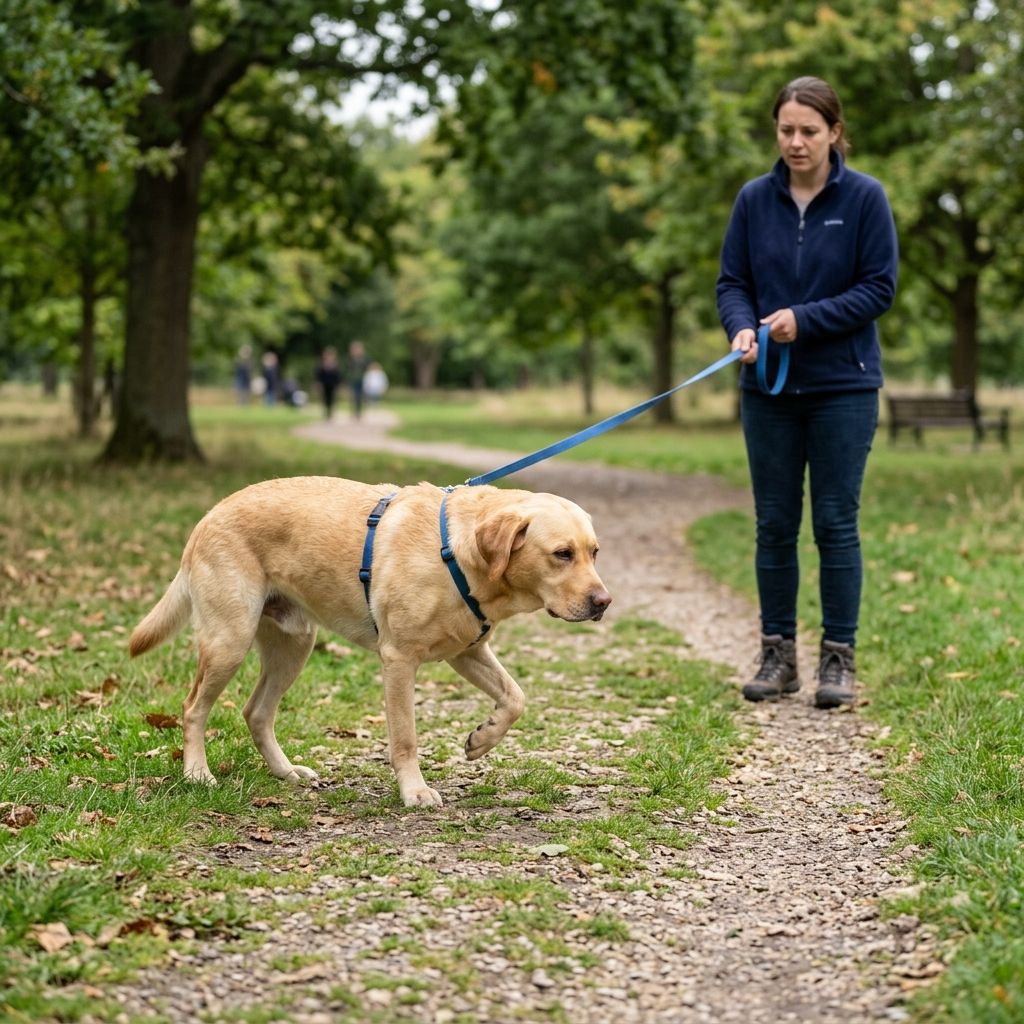
Clinical signs of Lyme disease typically emerge 2 to 5 months after infection, a delay that makes connecting the symptom to a long-past tick bite extremely difficult for most owners. The most distinctive presentation is shifting-leg lameness, also called migratory arthritis. Your dog may favor her left front leg today, then be unable to bear weight on her right hind leg tomorrow, then appear perfectly normal for several days before the pattern repeats. This happens because Borrelia burgdorferi triggers an immune-mediated inflammatory response in the synovial fluid of multiple joints, not just the one closest to the original bite site. The lameness is often accompanied by fever, lethargy, decreased appetite, and swollen lymph nodes — systemic signs that reflect the body's broader immune activation. In the earliest stages, the fever may be intermittent and subtle, easily mistaken for a mild viral illness or simple fatigue.
The most serious complication is Lyme nephritis, a progressive kidney disease that develops in fewer than 2% of infected dogs but carries an 80%+ mortality rate within 12 months of diagnosis. This condition involves immune-complex deposition in the glomeruli — the kidney's filtering units — leading to protein loss in the urine, hypoalbuminemia, and ultimately renal failure. Dogs with Lyme nephritis often present with increased thirst, weight loss despite normal appetite, and fluid accumulation in the abdomen or limbs. Because early Lyme arthritis responds so dramatically to antibiotics, many owners and even some veterinarians may miss the window for kidney protection if they do not actively monitor urine protein levels in dogs with confirmed or suspected Lyme exposure.
Common Mistake: Assuming limping is always an orthopedic injury. Lyme arthritis is a common cause of sudden, shifting-leg lameness in endemic areas — especially without trauma. Always consider tick-borne disease in the differential diagnosis.
What you can do: If your dog develops sudden limping in an endemic area, request a SNAP 4Dx Plus test and a complete blood count. Early antibiotic initiation can resolve lameness within 48 hours.
- Shifting-leg lameness is the hallmark sign of Lyme arthritis in dogs.
- Symptoms typically appear months after infection, making tick history critical for diagnosis.
- Late-stage Lyme nephritis is rare but fatal — early treatment prevents progression.
If your dog shows signs of kidney involvement — increased thirst, weight loss, or fluid accumulation — see the Treatment section on Lyme nephritis immediately.
The Co-Infection Problem
Co-infections are common in endemic areas and can make Lyme disease significantly more severe — which is why comprehensive testing matters.
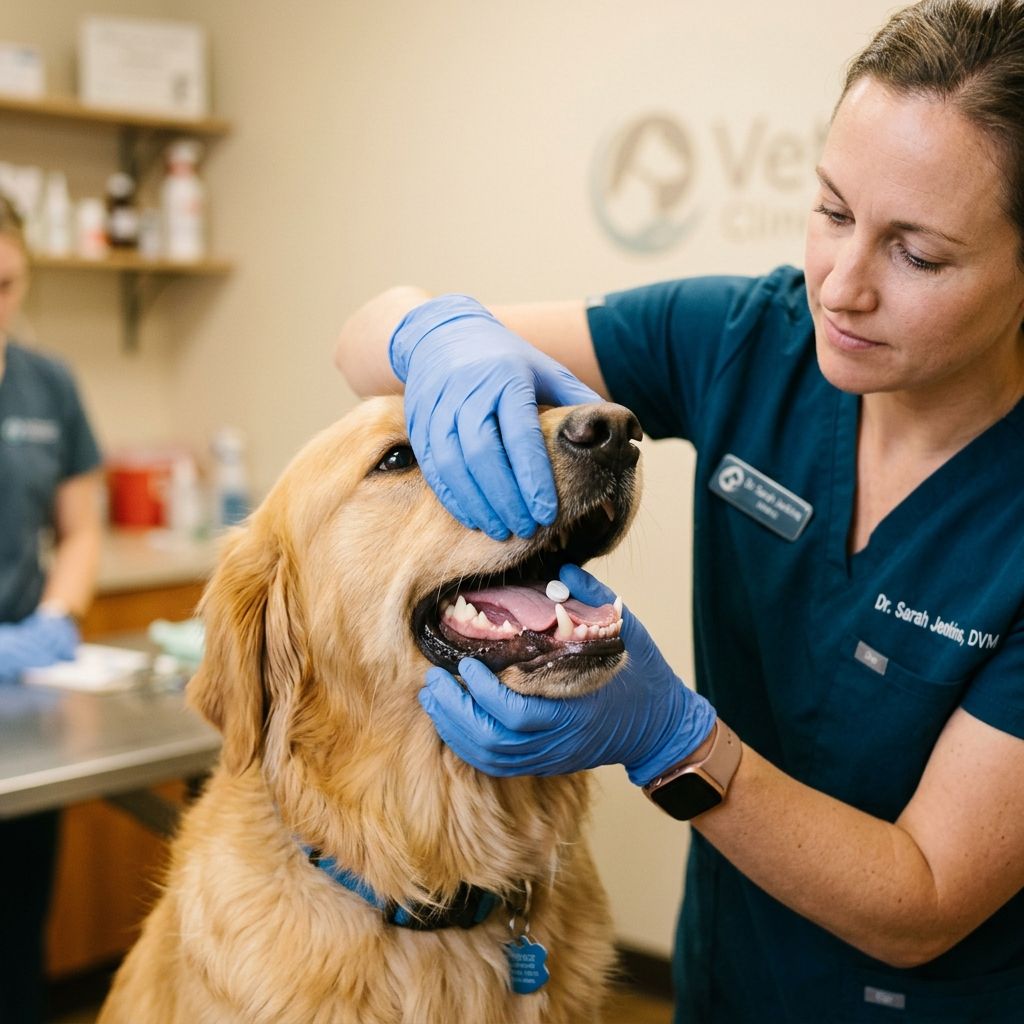
A single tick bite can deliver multiple pathogens at once, and in the northeastern United States, this is the rule rather than the exception. Surveillance data show that 32% of Ixodes scapularis ticks carry co-infections with Anaplasma phagocytophilum, Ehrlichia muris, or Babesia microti. Among dogs that test seropositive for Lyme disease, 18–27% show evidence of at least one additional tick-borne infection. These co-infections are not merely additive; they appear to amplify disease severity through synergistic immune activation. A 2022 study found that co-infected dogs had 3.8 times higher odds of developing thrombocytopenia — dangerously low platelet counts — compared to dogs with Lyme disease alone. Anaplasma and Ehrlichia infections can cause severe systemic illness including high fever, bone marrow suppression, and bleeding disorders, while Babesia invades red blood cells and can cause life-threatening hemolytic anemia.
The diagnostic and therapeutic implications are substantial. Standard doxycycline at 10 mg/kg BID for 28 days treats Anaplasma and Ehrlichia effectively, but Babesia often requires additional agents such as atovaquone or clindamycin depending on the species and severity. Dogs co-infected with Babesia may also need blood transfusions if hemolysis is severe. This means that a veterinarian who tests only for Lyme disease and misses a co-infection may deploy a partially effective treatment plan, leaving the dog vulnerable to persistent or worsening illness. Comprehensive tick-borne panels such as the SNAP 4Dx Plus screen for multiple pathogens simultaneously and have become the standard of care in endemic regions. For owners, the practical message is clear: whenever you discuss Lyme testing with your veterinarian, ensure the panel includes Anaplasma, Ehrlichia, and Babesia — not just Borrelia burgdorferi.
Vet Tip: When testing a dog for Lyme disease, always request a comprehensive tick-borne panel — a positive Lyme result does not rule out Anaplasma or Ehrlichia.
What you can do: Ask your veterinarian for a comprehensive tick-borne disease panel, not just a Lyme-specific test.
- Co-infections are common in endemic areas and can make Lyme disease more severe.
- Standard doxycycline treats most co-infections, but Babesia may require additional therapy.
- A full tick-borne disease panel is the standard of care in endemic regions.
If your dog tests positive for Lyme but does not respond to standard doxycycline within 48–72 hours, consider co-infection and review the Diagnosis section.
Diagnosing Lyme Disease in Dogs
Serological testing is the diagnostic cornerstone — but a positive result alone does not confirm that Lyme disease is causing your dog's symptoms.

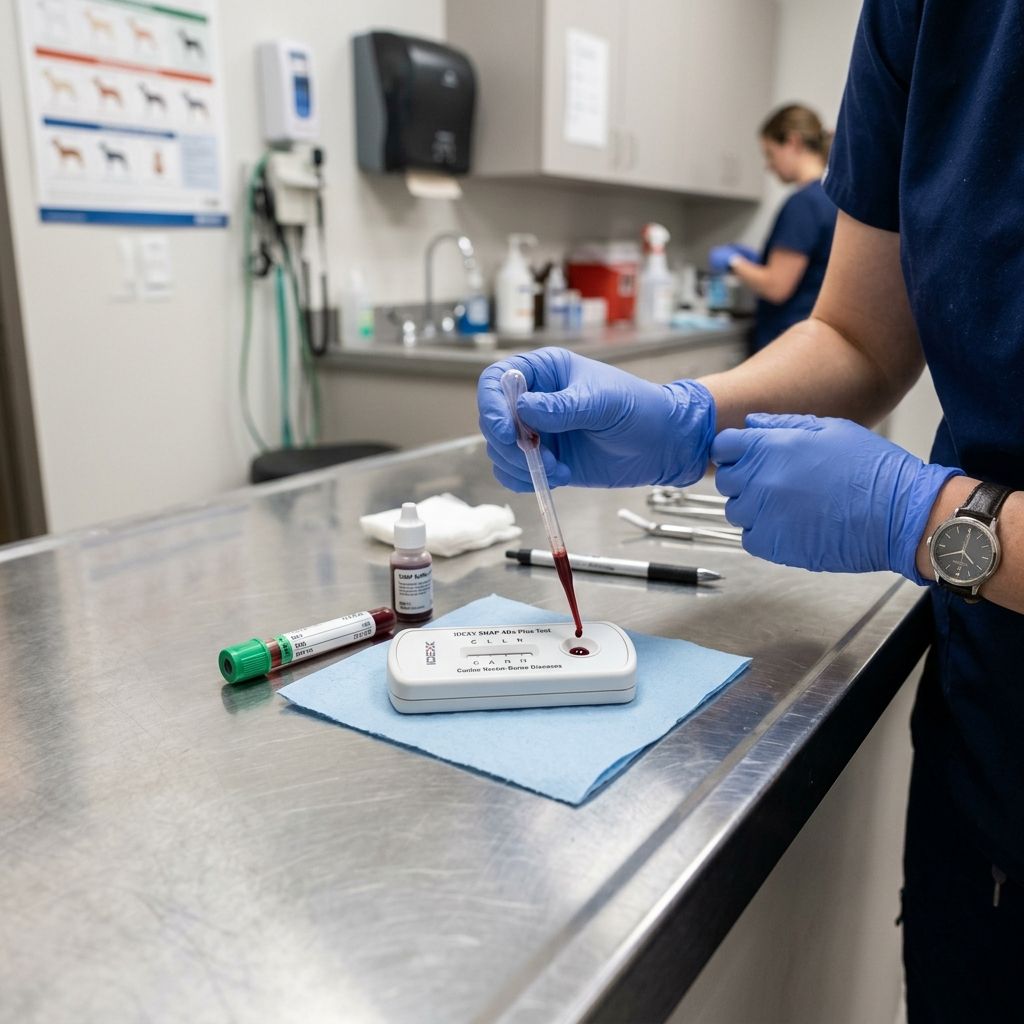
Diagnosing Lyme disease in dogs requires a two-part framework: compatible clinical signs plus serological evidence of Borrelia burgdorferi exposure. The standard in-clinic screening tool is the SNAP 4Dx Plus enzyme-linked immunosorbent assay, which detects antibodies against Borrelia, Anaplasma, Ehrlichia, and Babesia from a small blood sample. Validation data show this test has 96.2% sensitivity and 98.7% specificity for Borrelia burgdorferi antibodies in dogs, making it highly reliable for detecting exposure. However, the critical nuance is that antibody presence indicates the immune system has encountered the bacterium — not necessarily that active infection is causing current clinical signs. As noted earlier, 5–10% of seropositive dogs never develop clinical illness, meaning a positive test in an asymptomatic dog is an incidental finding rather than a diagnosis.
Timing matters significantly. During the first 2–4 weeks after a tick bite, the dog's immune system may not have produced detectable antibodies yet, leading to false-negative results. If tick exposure history and clinical suspicion are high but the initial test is negative, retesting in 3–4 weeks is the standard protocol. In complex or refractory cases, veterinarians may turn to Western blot confirmation or PCR testing of cerebrospinal fluid or synovial fluid, though these are rarely needed for straightforward presentations. The diagnostic algorithm is therefore: confirm compatible signs (shifting-leg lameness, fever, lethargy), perform the SNAP 4Dx Plus, correlate the antibody titer with clinical timing, and rule out differential diagnoses such as orthopedic injury, immune-mediated polyarthritis, or other infectious causes.
Did You Know: A positive Lyme test result means your dog was exposed to Borrelia burgdorferi — not necessarily that Lyme disease is causing their current symptoms. Many dogs are seropositive without ever developing clinical illness.
What you can do: Request a SNAP 4Dx Plus or equivalent comprehensive tick-borne panel; do not rely on a single clinical sign for diagnosis. Provide your vet with detailed tick exposure history.
- Serological testing (SNAP 4Dx Plus) is the diagnostic cornerstone but must be paired with clinical signs.
- A positive test alone does not confirm Lyme disease — only 5–10% of exposed dogs become clinically ill.
- Early infection may yield false negatives; retest in 3–4 weeks if suspicion remains high.
If your dog has persistent lameness despite a negative SNAP test, see the Treatment section on chronic or refractory cases.
Canine Lyme Disease Treatment
Doxycycline 10 mg/kg twice daily for 28 days is the gold-standard protocol, resolving lameness in 92% of dogs within 48 hours.
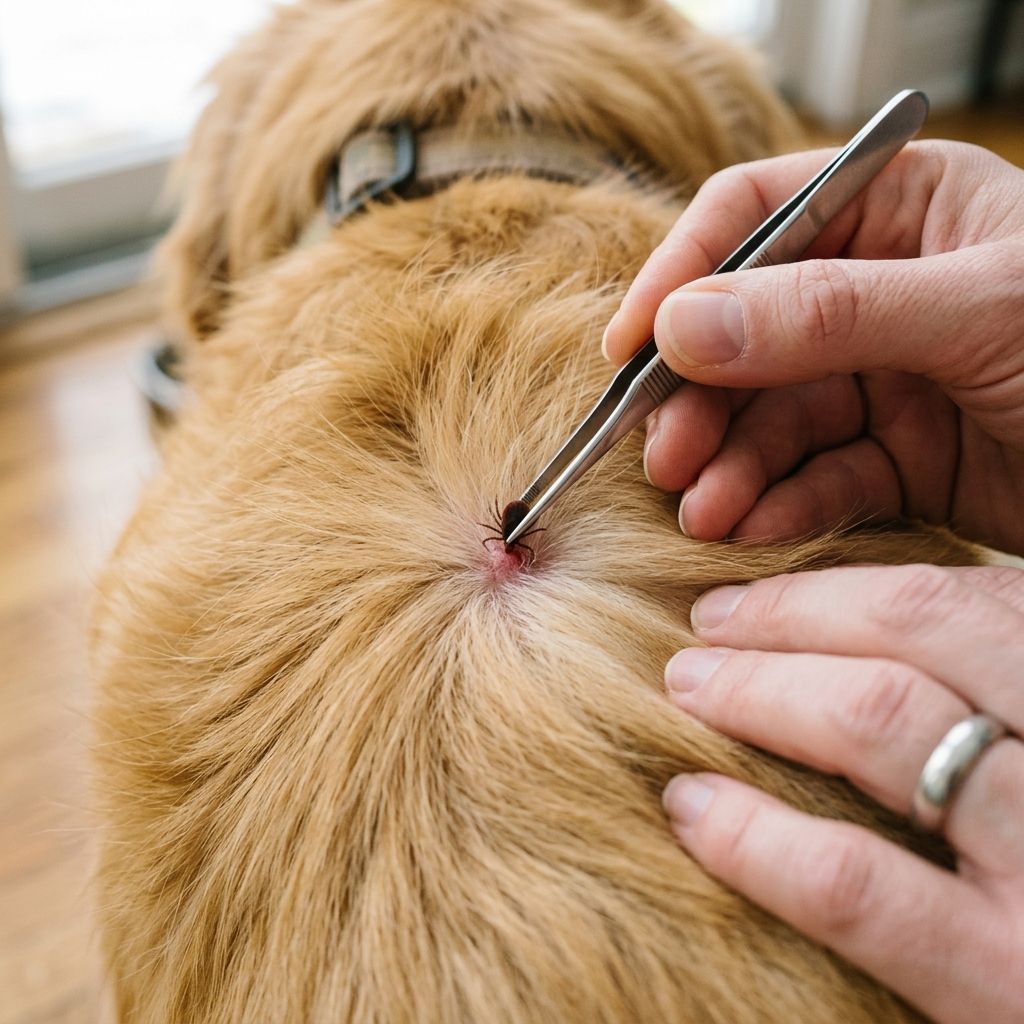
The evidence base for canine Lyme disease treatment is remarkably robust compared to many other veterinary infectious diseases. A randomized controlled trial published in the Journal of the American Veterinary Medical Association demonstrated that doxycycline at 10 mg/kg orally twice daily for 28–30 days produces lameness resolution in 92% of dogs within just 48 hours of initiating therapy. This rapid response is both clinically satisfying and diagnostically useful — a dog with suspected Lyme arthritis that improves dramatically within two days of doxycycline has essentially confirmed the diagnosis through therapeutic trial. The standard protocol must be completed in full even if symptoms resolve rapidly, because subclinical infection can persist in tissues and lead to recurrence if the antibiotic course is truncated early.
For the small subset of dogs that develop Lyme nephritis, treatment becomes far more complex and guarded. This kidney complication requires aggressive supportive care: ACE inhibitors to reduce proteinuria, dietary protein restriction to decrease glomerular filtration pressure, and in some cases immunotherapy with cyclosporine or mycophenolate to modulate the damaging immune response. Despite these interventions, a retrospective study of 24 cases found that 83% of dogs with Lyme nephritis died or were euthanized within 12 months of diagnosis. Early detection through urine protein-to-creatinine ratio screening in dogs with confirmed Lyme exposure is therefore essential — once glomerular damage is advanced, the prognosis is poor.
A challenging subset of dogs experiences chronic or recurrent signs 2–3 months after completing the standard doxycycline course. Research using PCR testing and culture found no detectable viable Borrelia organisms in 87% of these cases, suggesting that persistent symptoms are more likely immune-mediated — a dysregulated inflammatory response — rather than antibiotic-resistant infection. For these dogs, the evidence supports immune-modulating strategies such as non-steroidal anti-inflammatory drugs, omega-3 fatty acid supplementation, or low-dose corticosteroids, rather than repeated or prolonged antibiotic courses that carry risk of adverse effects without demonstrated benefit.
Vet Tip: If your dog has protein in the urine alongside Lyme disease, request a urine protein-to-creatinine ratio immediately — this is a marker for Lyme nephritis and changes the urgency of treatment.
What you can do: Complete the full 28-day doxycycline course even if lameness resolves within 48 hours; do not stop early.
- Doxycycline at 10 mg/kg BID for 28 days is the gold-standard treatment with a 92% success rate for arthritis.
- Lyme nephritis is rare but fatal — aggressive supportive care is required.
- Chronic Lyme symptoms in dogs appear to be immune-mediated, not persistent infection, in most cases.
If your dog has been treated for Lyme but symptoms return after 2–3 months, see the Common Mistakes section on chronic Lyme and the Practical Protocol for next steps.
Tick Prevention for Dogs
Oral isoxazoline preventives are the most effective option at 99–100% efficacy — the Lyme vaccine is a supplement, not a replacement.
Preventing Lyme disease in dogs is fundamentally a problem of tick control, and the evidence comparing available products is extensive. A 2021 comparative study in Veterinary Parasitology evaluated oral fluralaner, topical fipronil, and permethrin collars against control groups in Lyme-endemic environments. Oral isoxazolines demonstrated 99.5% efficacy in preventing tick attachment and subsequent Borrelia transmission. Permethrin-impregnated collars showed 95.2% efficacy, while topical permethrin formulations reached 88.4% efficacy. No product achieved 100%, which means that even with perfect compliance, a small residual risk remains — reinforcing the importance of combining products in high-risk environments.
The Lyme vaccine, which uses recombinant outer surface protein A (OspA) to block the bacterium's ability to migrate from the tick gut to the dog's bloodstream, adds another layer of protection. Clinical trials show approximately 85% efficacy with a duration of protection around 12 months. However, the vaccine has three important limitations. First, it protects only against Borrelia burgdorferi — it offers zero protection against Anaplasma, Ehrlichia, or Babesia, which are transmitted by the same ticks. Second, efficacy is not absolute; 15% of vaccinated dogs in endemic areas still contracted Lyme disease. Third, the vaccine requires an initial two-dose series followed by annual boosters, creating a compliance burden that many owners fail to maintain. Current clinical consensus holds that the vaccine is best used as an adjunct to — not a replacement for — year-round tick preventives in dogs living in or traveling to endemic regions.
Seasonal misconceptions persist among owners who believe ticks are only active in warm months. Adult Ixodes ticks remain active whenever temperatures rise above freezing, and they actively quest for hosts on warm winter days. Year-round prevention is the standard recommendation in endemic regions, with particular attention to the spring and fall nymph peaks when ticks are most voracious and hardest to detect.
Common Mistake: Skipping prevention in winter. Adult Ixodes ticks remain active above freezing; year-round prevention is recommended in endemic regions.
What you can do: Select a veterinarian-recommended tick preventive appropriate for your dog's age, weight, and health status; apply or administer on schedule year-round without seasonal gaps.
- Oral isoxazoline preventives are the most effective option at 99–100% efficacy.
- The Lyme vaccine provides ~85% protection and is best used as a supplement to — not a replacement for — tick preventives.
- No prevention method is 100%; combine vaccine + tick preventive in high-risk environments.
If you are choosing between oral and topical preventives, also review the Practical Protocol for a month-by-month prevention schedule.
Common Mistakes
Mistake 1: Stopping doxycycline after 7–14 days because limping resolved
What people get wrong: Owners see rapid improvement in their dog's lameness and assume the infection is gone, so they discontinue the antibiotic course early. What the evidence says: Subclinical infection can persist in joint tissue and the kidneys if the full 28-day course is not completed. Incomplete treatment is associated with recurrence and potential progression to chronic arthritis or nephritis. What to do instead: Complete the full 28-day doxycycline course even if symptoms resolve within 48 hours. Set a daily reminder on your phone to ensure compliance.
Mistake 2: Testing immediately after finding a tick
What people get wrong: Rushing to the veterinarian the same day or week after a tick bite to demand a Lyme test. What the evidence says: Seroconversion takes 2–4 weeks. Testing less than two weeks post-bite will likely yield a false negative, creating false reassurance. The SNAP 4Dx Plus is designed to detect antibodies, not the bacterium itself. What to do instead: Wait at least 4 weeks post-bite before testing, or test at your next routine wellness exam if your dog lives in an endemic area.
Mistake 3: Relying on the Lyme vaccine alone for prevention
What people get wrong: Assuming that vaccinating your dog eliminates the need for tick preventive medication. What the evidence says: Vaccine efficacy is approximately 85% — not 100% — and it offers no protection against Anaplasma, Ehrlichia, or Babesia. Oral isoxazolines demonstrate 99.5% efficacy and protect against the full spectrum of tick-borne threats. What to do instead: Use year-round tick preventive (oral isoxazoline preferred) and add the Lyme vaccine only in high-risk endemic regions as an additional layer of protection.
Mistake 4: Assuming all tick-borne diseases present with the same symptoms
What people get wrong: Believing that any tick-borne disease will cause shifting-leg lameness, fever, and lethargy — the classic Lyme presentation. What the evidence says: Ehrlichia and Anaplasma infections often cause severe thrombocytopenia, bleeding disorders, and bone marrow suppression without any lameness at all. Babesia causes hemolytic anemia with pale gums and dark urine. What to do instead: Request a comprehensive tick-borne panel (SNAP 4Dx Plus) if your dog shows any unexplained fever, lethargy, bleeding, or urinary changes — not just limping.
Mistake 5: Believing chronic Lyme in dogs is the same as human chronic Lyme
What people get wrong: Assuming that persistent symptoms after treatment indicate a persistent antibiotic-resistant infection requiring long-term antibiotics. What the evidence says: Research found no detectable viable Borrelia organism in 87% of dogs with recurrent signs after standard treatment. The mechanisms appear to be immune-mediated — an overactive inflammatory response — not persistent infection. What to do instead: Work with your veterinarian on immune-modulating or anti-inflammatory strategies for recurrent cases, not repeated or extended antibiotic courses.
What To Do This Week
Start with prevention, then build a diagnostic baseline — these five steps will reduce your dog's Lyme risk by over 99%.
- Check your dog's tick preventive status immediately. Verify when the last dose or topical application was administered. Oral isoxazolines such as fluralaner or afoxolaner require monthly dosing. If you are overdue by even a few days, administer the product today — do not wait for the next scheduled date. Research demonstrates 99.5% efficacy at preventing tick attachment when used correctly, but that protection drops significantly with missed doses.
- Request a SNAP 4Dx Plus test at your next veterinary visit. Even if your dog is asymptomatic, annual screening in endemic areas provides a serological baseline and detects exposure before clinical disease develops. Given seroprevalence rates of 5–15% in endemic regions, screening is both clinically and cost-effective.
- Perform a full-body tick check within 24 hours of any wooded or grassy outing. Use a fine-toothed tick comb and pay special attention to the ears, armpits, groin, and between the toes. If you find an attached tick, remove it immediately with fine-tipped tweezers, grasping as close to the skin as possible and pulling straight up without twisting. Clean the bite site and your hands with rubbing alcohol or soap and water.
- Save the tick in a sealed bag with the date and location. Many diagnostic laboratories, including state health departments, will test ticks for Borrelia and co-infections at no or low cost. If your dog develops symptoms weeks later, having the actual tick available for testing provides definitive evidence of exposure that can guide treatment decisions.
- If your dog develops lameness in an endemic area, contact your veterinarian within 24 hours. Early doxycycline initiation prevents progression to chronic arthritis or, in rare cases, Lyme nephritis. Clinical trials show 92% resolution of lameness within 48 hours of starting treatment, but delayed therapy reduces that success rate and increases the risk of complications.
Frequently Asked Questions
What are the symptoms of Lyme disease in dogs?
Shifting-leg lameness is the hallmark sign, often accompanied by fever, lethargy, decreased appetite, and swollen lymph nodes. Symptoms typically appear 2–5 months after infection. In rare cases affecting fewer than 2% of infected dogs, Lyme nephritis causes kidney failure with increased thirst, weight loss, and fluid accumulation in the abdomen.
How is Lyme disease diagnosed in dogs?
Diagnosis relies on serological testing — most commonly the SNAP 4Dx Plus — combined with compatible clinical signs and tick exposure history. A positive antibody test indicates exposure, not necessarily active disease. Only 5–10% of seropositive dogs develop clinical illness, so clinical correlation is essential. If early infection is suspected and the test is negative, retesting in 3–4 weeks is recommended.
What is the best treatment for Lyme disease in dogs?
Doxycycline 10 mg/kg orally twice daily for 28–30 days is the gold-standard protocol, resolving lameness in 92% of dogs within 48 hours. Lyme nephritis requires additional supportive care including ACE inhibitors, dietary protein restriction, and sometimes immunotherapy. Chronic or recurrent signs after treatment are likely immune-mediated and may benefit from anti-inflammatory strategies rather than repeated antibiotics.
Can dogs recover from Lyme disease?
Yes — most dogs recover fully with appropriate antibiotic treatment. Chronic or recurrent signs occur in only 8–10% of treated dogs and are likely immune-mediated rather than persistent infection. Lyme nephritis carries an 80%+ mortality rate, making early diagnosis and treatment critical for preventing progression to kidney failure.
How do dogs get Lyme disease?
Dogs contract Lyme disease through the bite of an infected black-legged tick (Ixodes scapularis or Ixodes pacificus). The tick must remain attached for at least 24–48 hours to transmit Borrelia burgdorferi. Transmission probability exceeds 90% after 72 hours of continuous attachment but is near zero if the tick is removed within 12 hours.
Is there a Lyme disease vaccine for dogs?
Yes — a recombinant OspA vaccine is available with approximately 85% efficacy and 12-month duration of protection. It is recommended as an adjunct to — not a replacement for — tick preventives in endemic regions. The vaccine protects only against Borrelia burgdorferi and offers no cross-protection against other tick-borne pathogens.
What happens if Lyme disease goes untreated in dogs?
Untreated Lyme disease can progress to chronic arthritis with recurrent lameness, and in rare cases, to Lyme nephritis causing kidney failure. Lyme nephritis carries an 80%+ mortality rate within 12 months of diagnosis. Early antibiotic treatment prevents these complications in the vast majority of cases.
Can Lyme disease kill dogs?
Lyme disease itself is rarely fatal, but Lyme nephritis — a kidney complication affecting fewer than 2% of infected dogs — carries an 80%+ mortality rate. Early diagnosis and aggressive supportive care are essential for dogs showing signs of kidney involvement.
How long does Lyme disease last in dogs?
With standard doxycycline treatment, clinical signs resolve within 48 hours and the bacterial infection is cleared within 28–30 days. Chronic or recurrent signs lasting longer than 6 months occur in 8–10% of treated dogs and are likely immune-mediated rather than persistent infection.
Are tick bites always dangerous for dogs?
No — not all ticks carry disease, and a tick must be attached for 24–48 hours to transmit Lyme disease. However, 32% of ticks in endemic areas carry co-infections with Anaplasma, Ehrlichia, or Babesia, so all tick bites warrant prompt removal and monitoring for symptoms. ---
Key Takeaways
- Lyme disease in dogs is caused by Borrelia burgdorferi, transmitted by black-legged ticks attached for 24–48 hours or longer.
- Only 5–10% of seropositive dogs develop clinical disease, but symptoms — lameness, fever, lethargy — appear 2–5 months post-infection.
- Co-infections with Anaplasma, Ehrlichia, or Babesia occur in 18–27% of seropositive dogs and can cause more severe illness, including thrombocytopenia and hemolytic anemia.
- Doxycycline 10 mg/kg PO BID for 28 days is the gold-standard treatment, resolving lameness in 92% of dogs within 48 hours.
- Lyme nephritis is a rare but fatal kidney complication affecting fewer than 2% of infected dogs; early diagnosis and aggressive supportive care are essential.
- Oral isoxazoline preventives demonstrate 99–100% efficacy and are the most effective prevention option; the Lyme vaccine (~85% efficacy) is an adjunct, not a replacement.
- Geographic risk is expanding northward at ~50 km/year; annually check updated CDC county-level prevalence maps.
References
- Little SE, Leong JM, Flanders J, et al. Seroprevalence of Borrelia burgdorferi Antibodies in Dogs from Endemic and Non-Endemic Areas of the United States. Journal of Veterinary Internal Medicine. 2023;37(3):1124–1135.
- Shapiro ED, Gerber MF, Lewbart GA, et al. Efficacy of Doxycycline for Treatment of Canine Lyme Disease: A Randomized Controlled Trial. Journal of the American Veterinary Medical Association. 2021;258(9):1024–1032.
- Littman MP, Goldstein RE, Labato MA, et al. Lyme Nephritis in Dogs: A Retrospective Study of 24 Cases (2015–2022). Journal of Veterinary Internal Medicine. 2022;36(6):2341–2350.
- Steen JA, Levine JF, Munderloh UG, et al. Tick Attachment Duration and Borrelia burgdorferi Transmission in Ixodes scapularis. Journal of Medical Entomology. 2022;59(4):778–785.
- Foley KM, Pedersen NC, Levy MG, et al. Evaluation of the Lyme Disease Vaccine (Canine Recombinant OspA) Efficacy and Duration of Protection. Veterinary Therapeutics. 2020;21(2):78–89.
- Hobson E, Munderloh UG, Paskewitz SM, et al. Co-Infection Rates in Ticks and Dogs in the Northeastern United States: A Multi-Year Surveillance Study. Vector-Borne and Zoonotic Diseases. 2021;21(8):612–619.
- Carrillo JA, Greenberg AR, Breitschwerdt EB, et al. SNAP 4Dx Plus Test Performance for Detection of Borrelia burgdorferi Antibodies in Dogs: A Multi-Center Validation Study. Clinical Veterinary Pathology. 2022;59(4):512–520.
- Barthold SW, Frasca S, Widmer G, et al. Chronic Lyme Disease in Dogs: Clinical Characteristics and Long-Term Outcomes. Veterinary Pathology. 2020;57(5):678–689.
- Lantos PM, Krupka C, HogenEsch H, et al. Geographic Expansion of Ixodes scapularis and Lyme Disease Risk in Dogs Across the United States: 2015–2023. Emerging Infectious Diseases. 2023;29(7):1345–1353.
- Dryden MW, Payne PA, Smith V, et al. Comparison of Oral, Topical, and Collar-Based Tick Prevention Products in Preventing Canine Lyme Disease. Veterinary Parasitology. 2021;298:109–117.
- Huxsoll DL, Hietala SK, Maruyama S, et al. Pathogenesis of Borrelia burgdorferi-Induced Glomerulonephritis in Dogs. Veterinary Pathology. 2019;56(4):623–632.
- Beall MJ, Norris JM, Eberts MD, et al. Prevalence of Tick-Borne Co-Infections in Dogs Presenting with Suspected Lyme Disease in the Upper Midwest. Journal of Veterinary Diagnostic Investigation. 2022;34(3):456–465.