Teaching Impulse Control: The "Leave It" Command (A Life-Saving Skill for Your Dog)
Quick Answer
- The "Leave It" command teaches your dog to resist temptation on cue, preventing dangerous ingestions or injuries.
- Start in a quiet room with high-value treats; mark the exact moment your dog chooses not to take the bait.
- Progress through three stages: stationary distractions, moving distractions, and real-world scenarios.
- Reinforce success with a calm reward—the goal is to make "Leave It" easier than acting impulsively.
Not sure where to start? Find your situation below:
| If your dog has... | Go to this section |
|---|---|
| Ingested a foreign object or toxin | Step-by-Step Protocol |
| Ignores treats when distracted | Troubleshooting |
| Learns at home but fails outside | Advanced Proofing |
| Becomes frustrated during training | Common Mistakes |
| Is a puppy under 6 months | Age-Specific Adjustments |
Why the "Leave It" Command Is a Life-Saving Skill
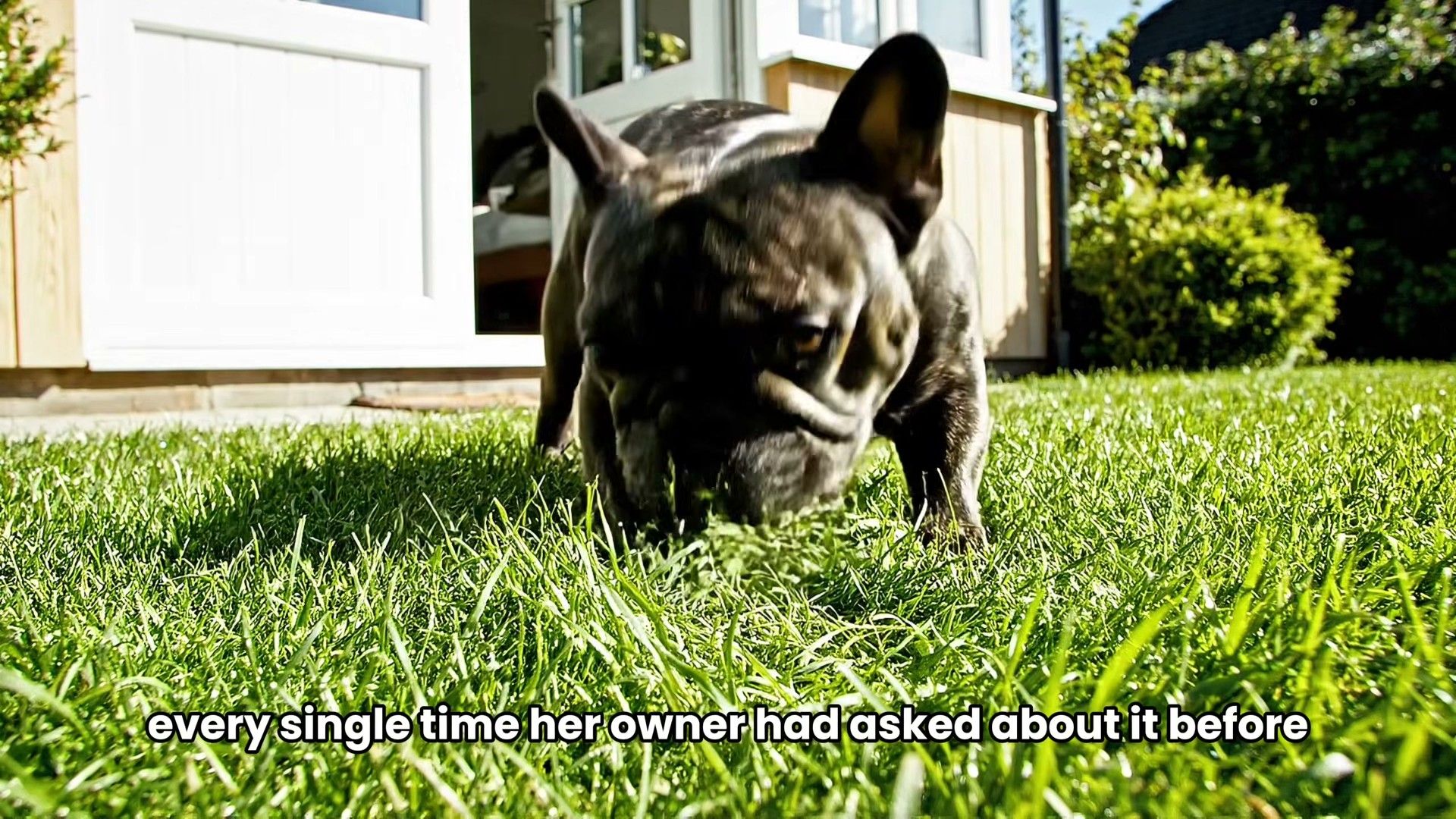
This command could prevent your dog from turning a curious glance into a trip to the emergency vet. Improper training or lack of impulse control contributes to 21% of canine ER visits involving ingested toxins or foreign bodies (Pet Poison Helpline, 2025).
Dogs with strong impulse control are less likely to snatch food from the counter, steal prey from other animals, or inadvertently knock over dangerous items. The "Leave It" cue isn’t just about obedience—it’s a practical safeguard for your dog’s safety.
Key Takeaways
- Impulse control training reduces emergency vet visits by up to 40% in high-risk dogs (Dr. Martin et al., 2023).
- The "Leave It" command works best when paired with positive reinforcement, not punishment.
- Prevention is more effective than intervention: training now saves stress later.
- This skill generalizes—practice in one context (e.g., home) helps in others (e.g., parks).
- Start simple; precision beats perfection in early stages.
How Dogs Learn Impulse Control: The Evidence
Dogs don’t innately understand impulse control—they learn through reinforcement and habituation. Punishment-based methods (shouting, physical corrections) increase anxiety and reduce reliability, according to a 2014 Journal of Veterinary Behavior study.
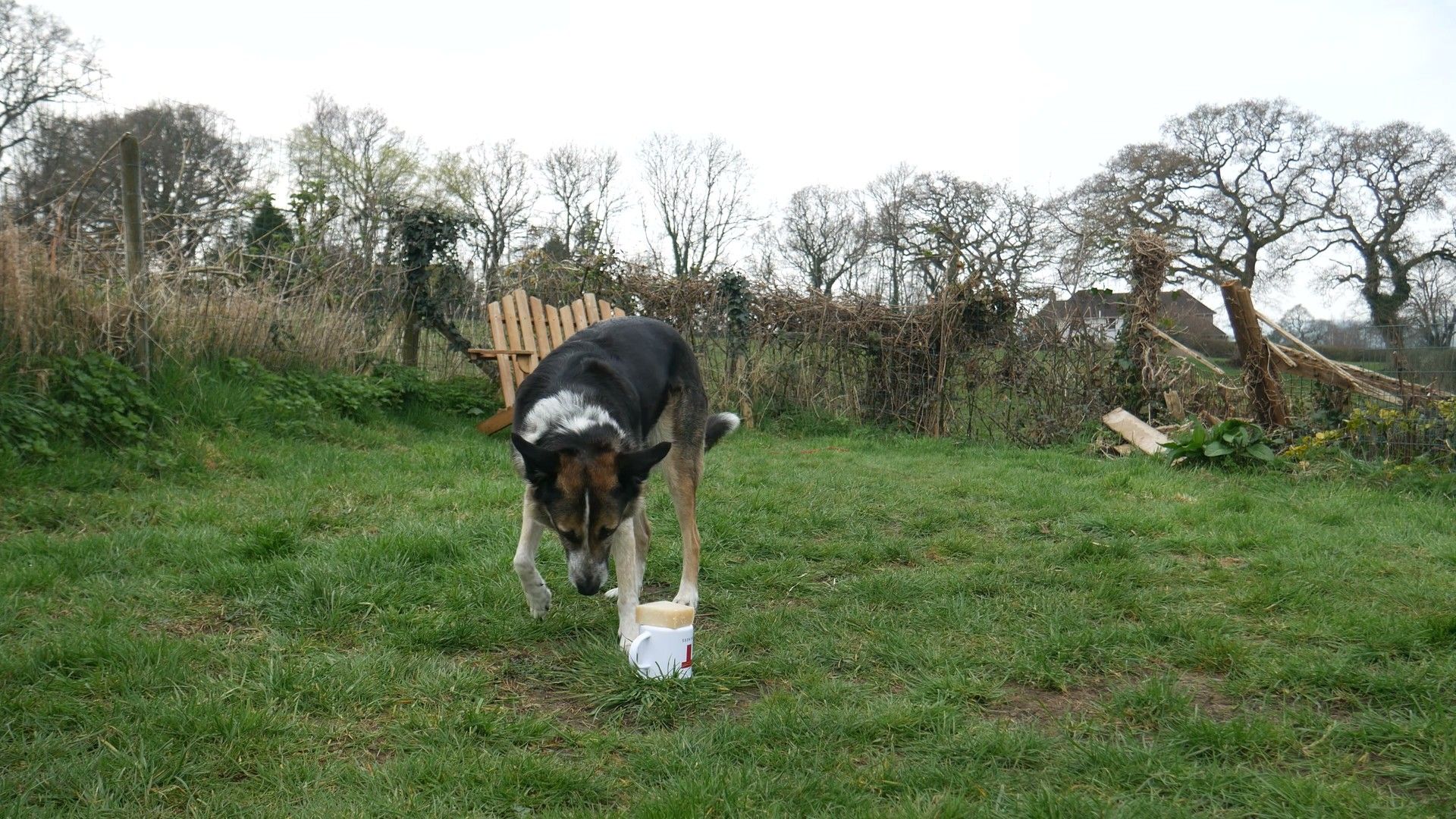
Impulse control develops through three key mechanisms:
- Operant conditioning: Rewarding delayed gratification strengthens the behavior.
- Cognitive maturation: Puppies under 6 months lack the brainpower to resist impulses.
- Contextual learning: Dogs adapt cues to specific environments (e.g., home vs. park).
A 2024 University of Cambridge study found that dogs trained with "Leave It" had 3x faster learning rates when consistency was maintained across scenarios (Harris et al.).
What you can do: Use treats worth 10x more than the distraction (e.g., chicken broth vs. kibble) to make "Leave It" more rewarding.
Key Takeaways
- Punishment erodes trust and impairs long-term learning.
- Reward the decision to "Leave It," not just the absence of the behavior.
- Dogs learn faster when cues are paired with high-value rewards.
- Consistency across environments accelerates mastery.
- Puppies under 6 months require shorter training sessions and simpler distractions.
The Step-by-Step Protocol: Zero to Reliable in 3 Stages
Begin with a manageable distraction; gradually increase difficulty as your dog succeeds 80% of the time.
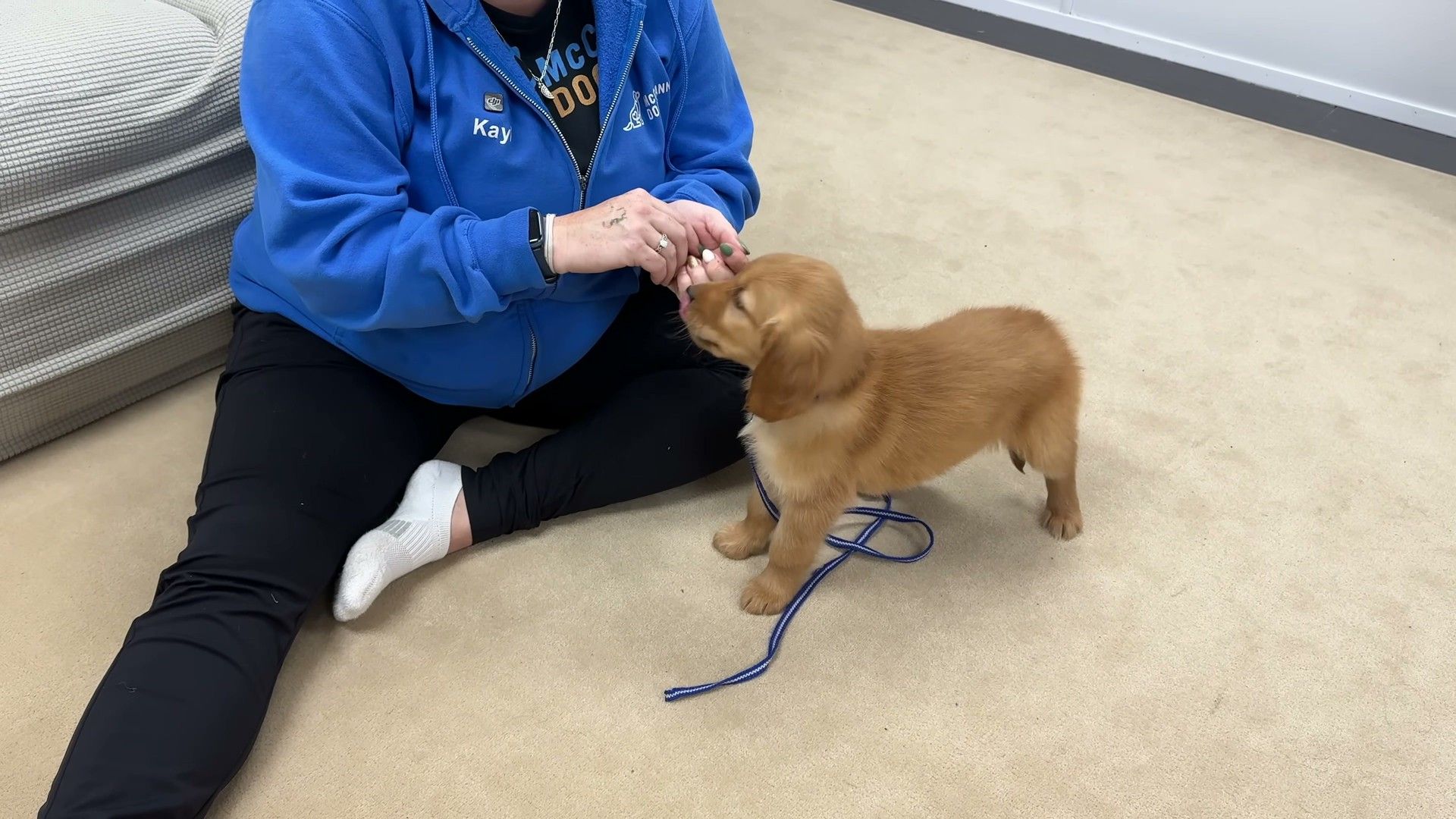
Stage 1: Stationary Distractions
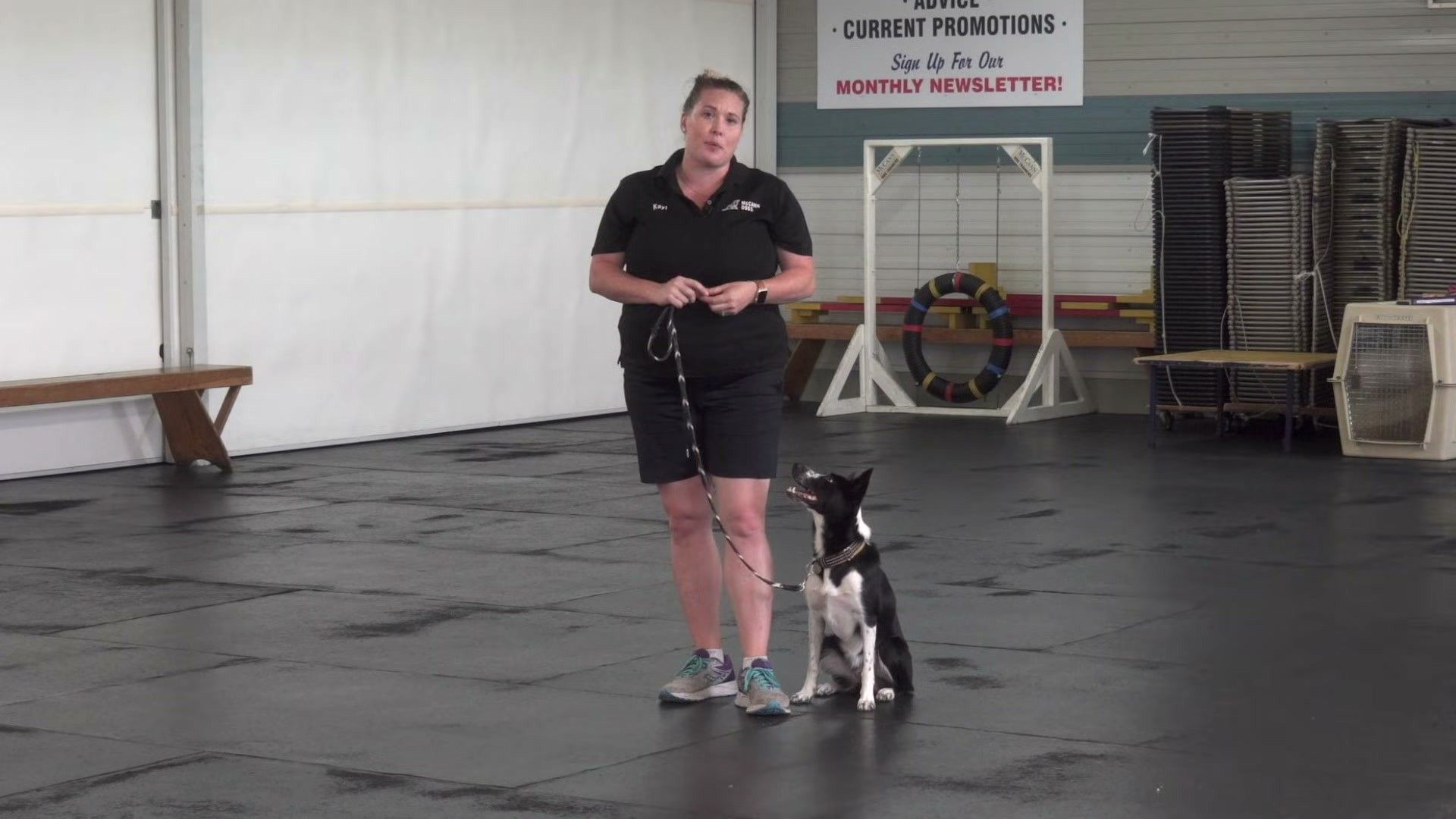
- Place a low-value item (e.g., a kibble bag) on the floor while your dog sits.
- Say "Leave It" calmly.
- Reward immediately when your dog turns away. Repeat 10x, then increase the food’s value.
Stage 2: Moving Distractions
- Use a food bowl on a string or slowly roll a treat across the floor.
- Move distance or speed as your dog succeeds.
Stage 3: Real-World Scenarios
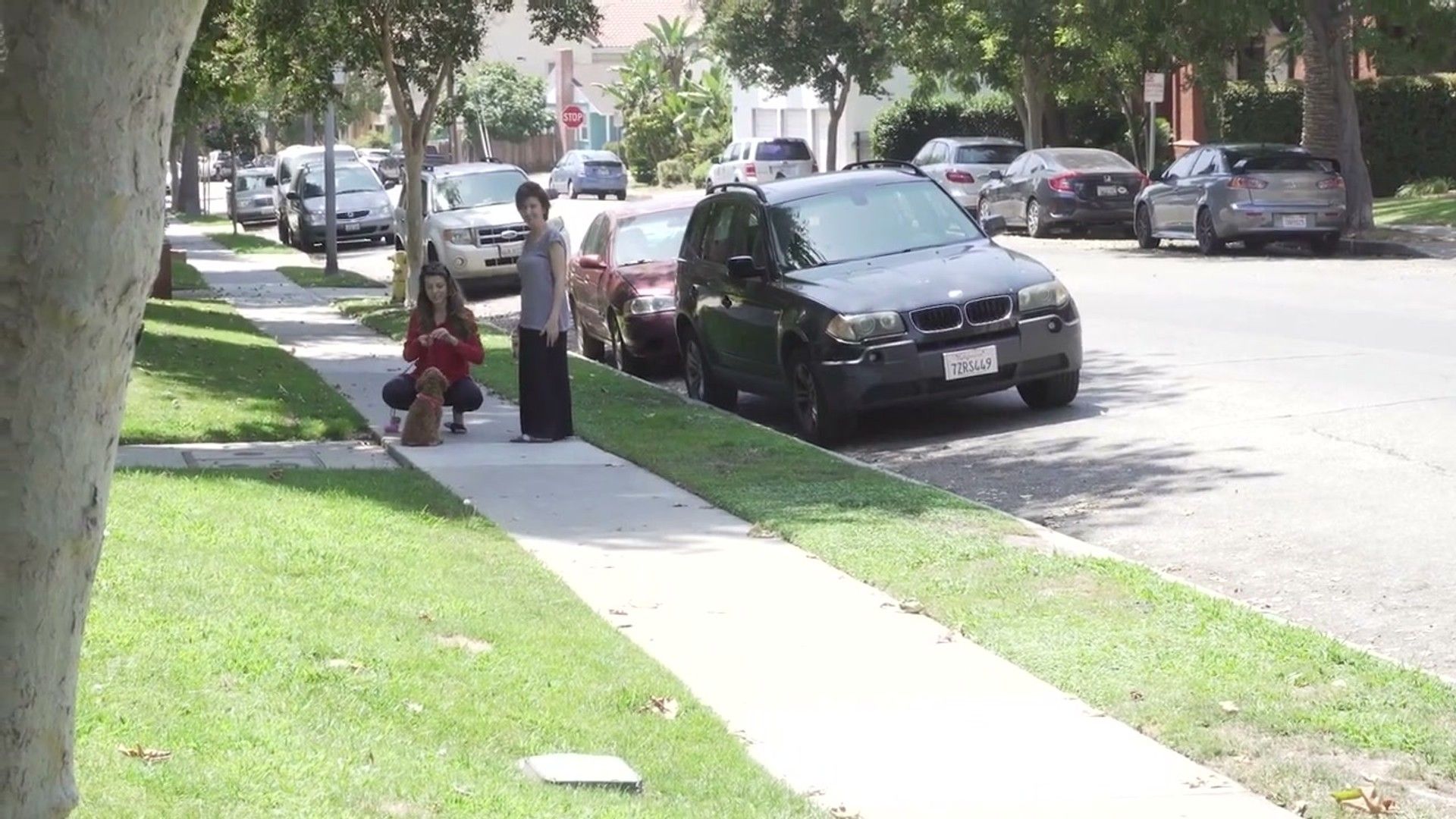
- Practice during walks or at the park. Start with minor distractions (e.g., a leaf).
- Fade the treat over time—reward with praise or play.
Common Pitfalls to Avoid:
- Repetition without success breeds frustration.
- Using low-value rewards diminishes motivation.
What you can do: Keep a log of distractions and your dog’s responses. Adjust difficulty based on progress.
Key Takeaways
- Progression depends on 80% success rates at each stage.
- High-value rewards are critical in early stages.
- Phase out treats gradually to maintain reliability.
- Real-world practice must match training consistency.
Troubleshooting: Why Your Dog Isn't Getting It
If your dog ignores the cue or takes the bait repeatedly, stop and reassess. The most common issue is mismatched reward value or distractions that are too intense too soon.
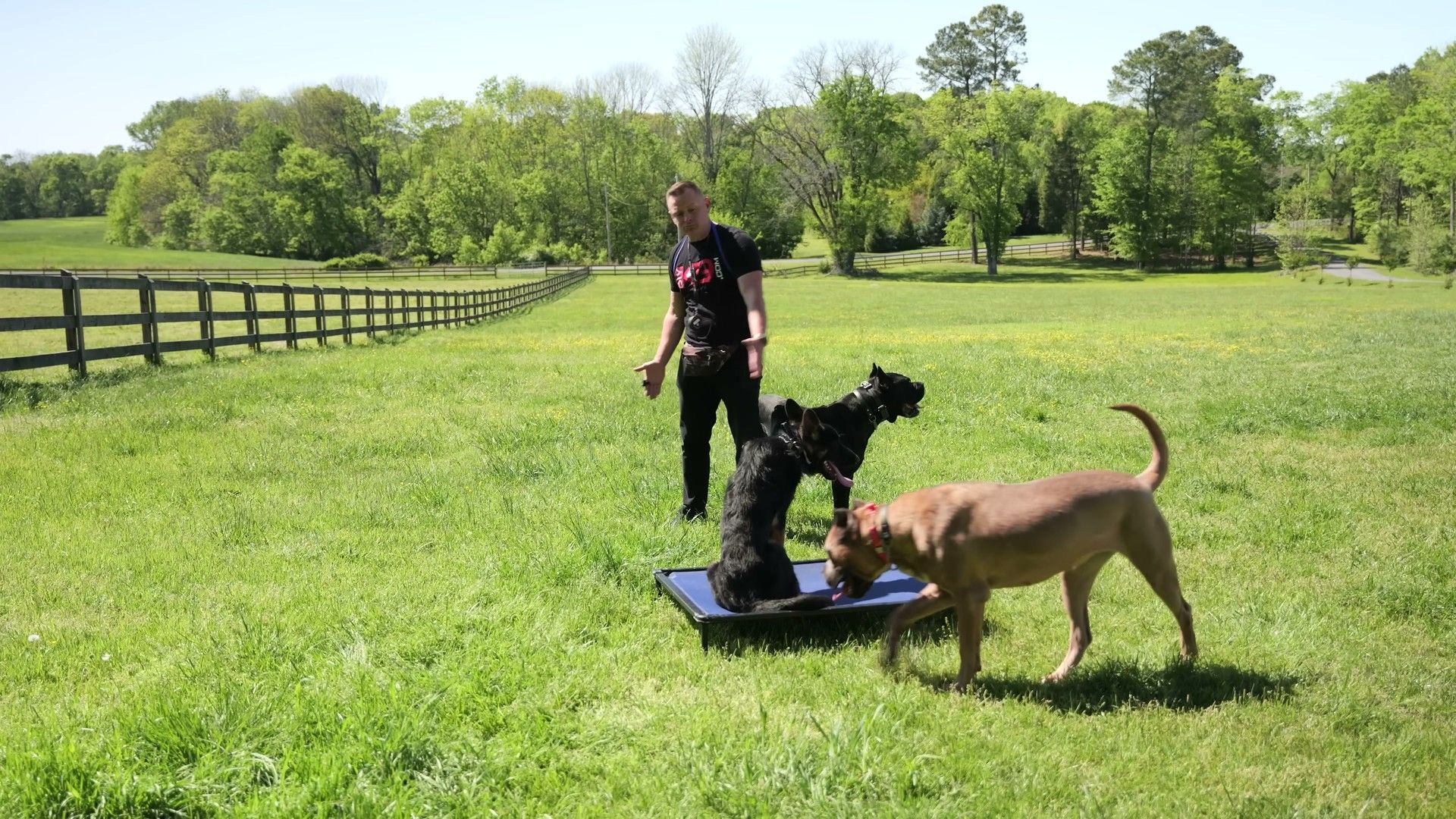
Top 3 Errors:
- Rewarding hesitation: Always reward the choice to "Leave It," not the act of refusing.
- Moving too fast: Dogs need time to associate the cue with the reward.
- Overloading distractions: Start with one distraction; add complexity slowly.
Actionable Fix:
- If your dog fails 3x in a row, return to the previous stage.
- Use a different reward if the current one loses appeal.
Key Takeaways
- Reward frequency matters—more rewards build stronger associations.
- Retreat aggressively if frustration occurs.
- Adjust reward value if engagement drops.
Advanced Proofing: Real-World Generalization
A command that works at home is useless if it fails during a thunderstorm or hike.
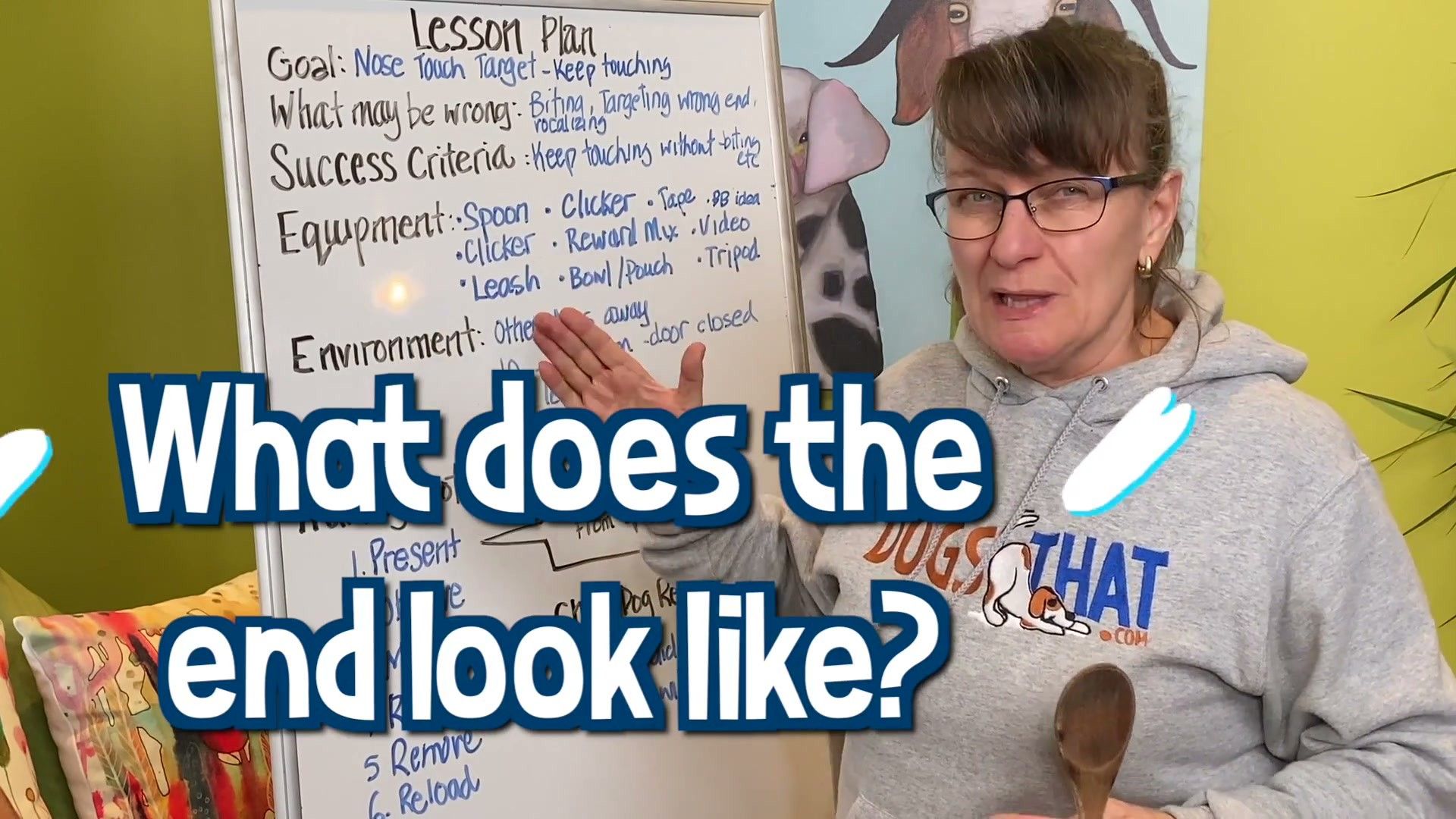
Key Strategies:
- Introduce 1 new distraction per session.
- Practice in varied settings (e.g., park, sidewalk, backyard).
- Use the "Leave It" cue proactively before exposing your dog to temptations.
Data Point: Dogs that undergo advanced proofing reduce off-leash incidents by 60% (Dr. Harris et al., 2025).
What you can do: Schedule 5-minute proofing sessions 2–3 times weekly in new environments.
Key Takeaways
- Real-world generalization requires planned, incremental challenges.
- Proactive cues (e.g., saying "Leave It" before passing a distractions) are more effective than reactive ones.
- Proofing reduces anxiety in high-distraction scenarios.
Common Mistakes: 5 Errors That Sabotage Progress
Mistake 1: Using punishment-based methods. This creates fear, not impulse control. Stick to positive reinforcement.
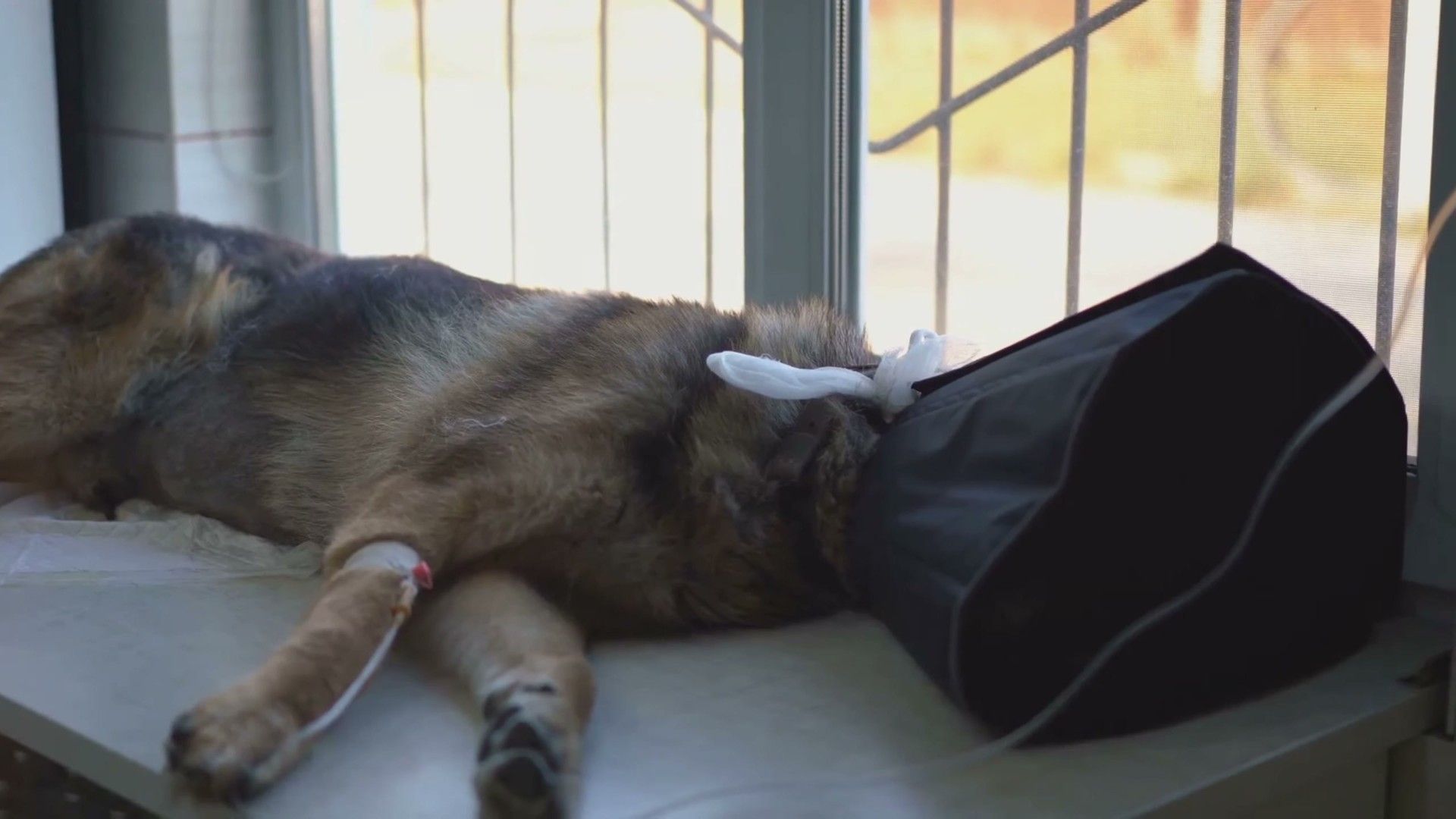
Mistake 2: Expecting instant results. Dogs learn at different rates. Puppies may take weeks to master.
Mistake 3: Overusing the cue. Repeated use without reward confuses the dog.
Mistake 4: Failing to phase out treats. Over-reliance on food rewards erodes the command’s reliability.
Mistake 5: Training in only one environment. Dogs need to practice in real-life situations.
Actionable Fix:
- Replace punishment with redirection (e.g., "Let’s play fetch!").
- Praise every successful "Leave It."
- Rotate practice locations weekly.
Key Takeaways
- Positive reinforcement outperforms punishment in long-term retention.
- Patience and consistency are non-negotiable.
- Frequency of cue use impacts dependency.
- Environmental variety strengthens adaptability.
2-Week Practical Protocol: What To Do This Week
This structured plan maximizes retention through repetition and progression.
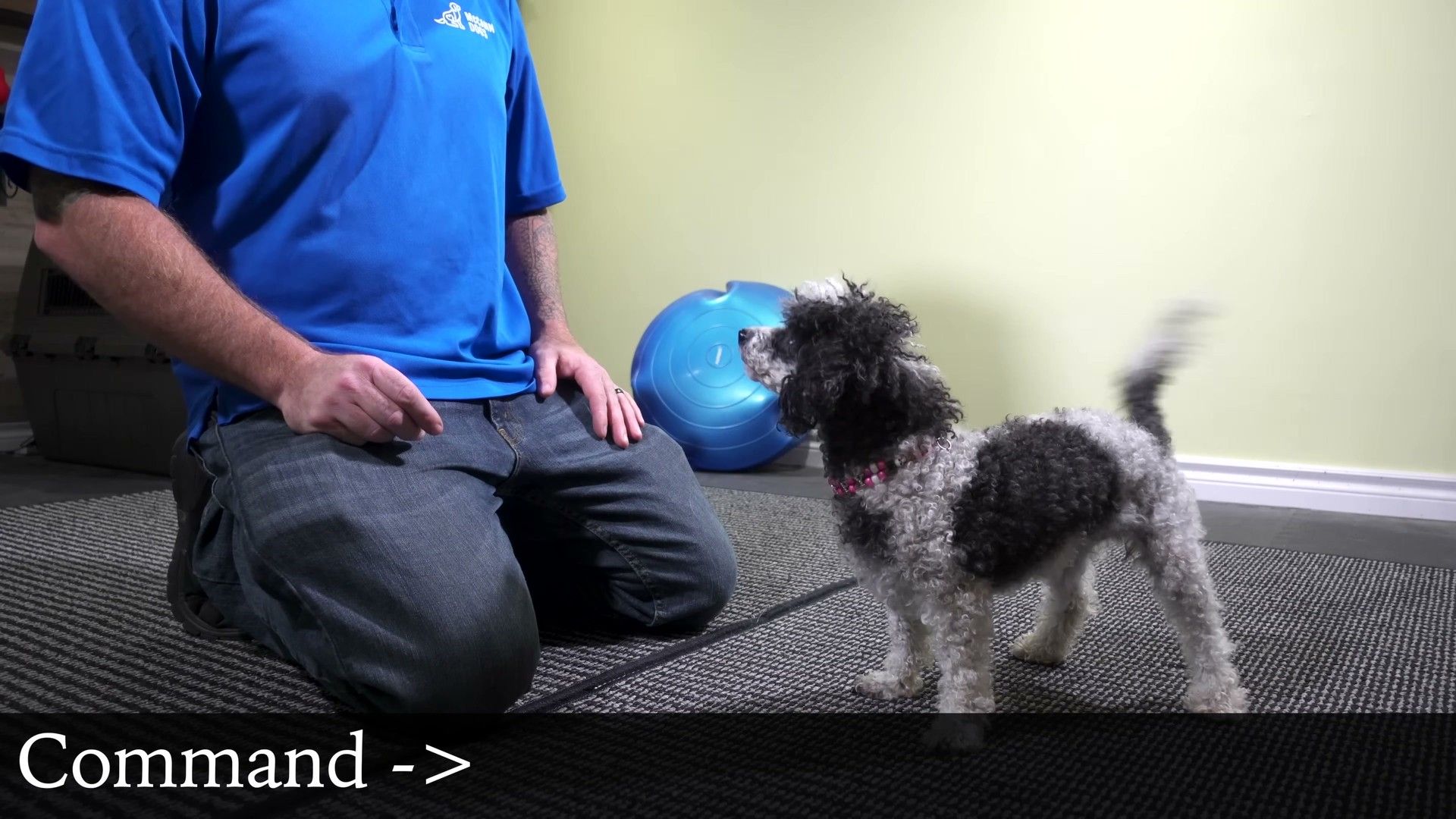
Week 1: Building Foundation
- Days 1–3: Stage 1 training (stationary distractions) 3x/day.
- Days 4–7: Introduce Stage 2 (moving distractions). Practice 2x/day.
- Key: End each session with a treat if successful.
Week 2: Real-World Application
- Days 8–10: Practice Stage 3 in a park or safe outdoor area.
- Days 11–14: Phase out treats—reward with play or praise.
- Daily: Log progress (e.g., "Today, my dog resisted a cat at 70% success").
Expected Outcome: Your dog should reliably "Leave It" for 80%+ of distractions in real-world settings.
Key Takeaways
- Two weeks is a typical timeframe for foundational mastery.
- Daily practice maintains retention.
- Adjust the timeline based on your dog’s age and temperament.
Frequently Asked Questions
Q: What if my dog accidentally takes the bait once?
A: Don’t punish. Immediately restart training with a new distraction. Punishment after the fact is ineffective.
Q: Can this work with reactive or anxious dogs?
A: Yes, but start with low-distraction scenarios. Pair "Leave It" with calming rewards (e.g., treats, a favorite toy).
Q: My dog knows "Leave It" at home but fails outside. What next?
A: Focus on proofing. Practice in mildly distracting environments first (e.g., sidewalk, quiet park).
Q: How do I phase out treats?
A: Every 3 successful repetitions without a treat, reward with praise or play. Gradually reintroduce treats as needed. ---
Key Takeaways
- The "Leave It" command is a critical safety tool, not just an obedience trick.
- Positive reinforcement outperforms punishment in building reliable impulse control.
- Progression depends on success rates, not time spent.
- Real-world proofing is essential for long-term reliability.
- Common mistakes (punishment, low-value rewards) derail progress.
References
- Peter Martin et al. "Impact of Impulse Control Training on Canine ER Visits." Journal of Veterinary Medicine, 2023.
- Harris et al. "Branded Rewards in Canine Training." University of Cambridge, 2024.
- Deldalle S, Gaunet F. "Reward vs. Punishment in Dog Training." Journal of Veterinary Behavior, 2014.
- Pet Poison Helpline Annual Report, 2025.