Leash Reactivity in Dogs: Why It Happens and How to Fix It (2026)
Evidence-based guide to diagnosing and fixing leash reactivity in dogs. Learn the difference between fear and frustration, front-clip harness benefits, and desensitization protocols.
DBH
Dr. Benjamin Hartley
Veterinarian & Dog Behavior Specialist
2026-08-069 min read
Leash Reactivity in Dogs: Why It Happens and How to Fix It (2026)
Dr. Benjamin Hartley, DVM, DACVB · Veterinary Behavior Specialist
Medical Disclaimer: This article is for informational purposes only and does not constitute veterinary advice. The information presented is based on current evidence as of July 2026 and may evolve as new research emerges. Consult with a qualified veterinarian or veterinary behaviorist before making changes to your dog's training or behavior management regimen.
Quick Answer
Leash reactivity is a stress response — not aggression — triggered when dogs feel trapped or frustrated on walks.
Fear-based dogs react to create distance; frustration-based dogs react to get closer. The treatment is different for each.
Desensitization and counterconditioning are the gold-standard protocols, with 70-86% success rates in clinical studies.
Start with a front-clip harness, find your dog's threshold distance, and practice the engage-disengage game daily for 6-12 weeks.
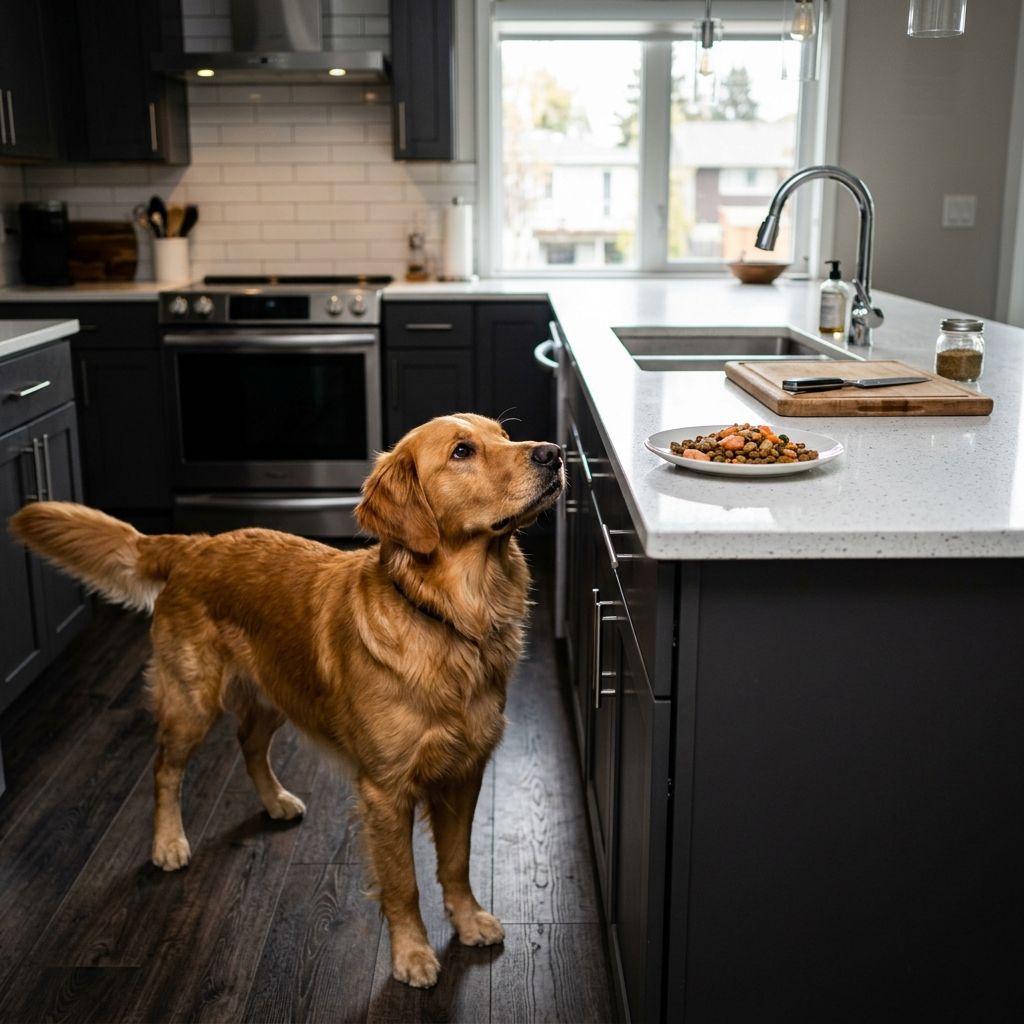
Figure 1: Leash reactivity is driven by a fight-or-flight stress response when a dog feels restricted
Not sure where to start? Find your situation below:
Your dog is fine at home — maybe even a couch potato who snores through the afternoon. But the moment you clip on the leash, every passing dog turns them into a barking, lunging tornado. Your heart rate spikes. You start scanning every corner before you even leave the house. Walks stop being relaxing and start feeling like tactical operations.
You are not alone. Leash reactivity affects an estimated 15-25% of the domestic dog population, making it one of the most common behavioral challenges owners face. Yet despite its prevalence, it remains one of the most misunderstood. Most reactive dogs are not trying to be aggressive — they are trying to survive a situation that feels overwhelming. The leash removes their natural option to flee, and the fight-or-flight response takes over.
What Leash Reactivity Actually Is — and What It Is Not
Leash reactivity is a stress response, not a personality flaw — and the leash itself is the problem.
Figure 2: Reading body language (tucked tail, pinned ears vs forward stance) is critical for diagnosis
The defining characteristic of leash reactivity is the leash. Many reactive dogs are perfectly calm and social when off-leash, greeting other dogs freely and relaxing in the park. But the moment that leash goes on, something changes. The dog cannot flee. The dog cannot choose to approach or avoid at its own pace. The restraint creates a psychological trap, and the fight-or-flight response activates — typically manifesting as barking, lunging, growling, or spinning.
Did You Know: Dogs on leash cannot flee, which triggers a fight-or-flight response. The leash itself is the barrier that transforms a manageable situation into a crisis — not the other dog or person.
Key Takeaways
Leash reactivity is a stress response, not aggression
The leash removes the dog's natural flight option, triggering fight-or-flight
Fear vs Frustration — Diagnosing What Is Driving Your Dog
The treatment for fear-based reactivity is fundamentally different from the treatment for frustration-based reactivity — and misdiagnosis makes everything worse.
Figure 3: The engage-disengage game rewards the dog for noticing the trigger and turning back to the owner
Before you can fix the problem, you need to understand what is causing it. A dog lunging at another dog from fear is trying to create distance. A dog lunging from frustration is trying to close the distance. Body language tells you everything: fear-based dogs show avoidance signals (tucked tail, pinned ears, whale eye), while frustration-based dogs show approach signals (play bows, high tail, whining, intense forward focus).
Common Mistake: Punishing a fearful dog for growling or barking on leash is like punishing a smoke alarm. You silence the noise, but the underlying fear remains and will eventually escalate without warning.
Key Takeaways
Fear-based reactivity: dog wants distance, shows avoidance body language
Frustration-based reactivity: dog wants access, shows arousal/approach body language
Treatment for each is different — misdiagnosis worsens the problem
The Desensitization Protocol — Step by Step
Desensitization means gradual exposure below threshold — never flooding. Counterconditioning changes the emotional association from negative to positive.
Figure 4: A front-clip harness redirects forward momentum without pressure on the neck
Identify and rank triggers: List your dog's triggers from least to most intense.
Find threshold distance: The maximum distance where your dog notices the trigger without reacting.
Practice engage-disengage game: Mark when your dog notices the trigger below threshold and deliver high-value treats.
Add counterconditioning: Pair the appearance of the trigger with a continuous stream of rewards.
Gradually decrease distance: Move closer across multiple successful sessions, never within a single session.
Add duration: Build up the time your dog stays calm near triggers.
Generalize environments: Practice in progressively more challenging public locations.
Vet Tip: If your dog is too reactive outdoors, start indoors using YouTube videos of dogs at a distance played on a screen before going outside.
Key Takeaways
Desensitization requires staying below threshold — if your dog reacts, you are too close
Counterconditioning pairs triggers with positive rewards
Engage-disengage game builds voluntary check-ins with the owner
Progress is measured in weeks and months, not days
Equipment and Management — Setting Yourself Up for Success
The right equipment makes training safer and more effective; the wrong equipment makes reactivity worse.
Figure 5: Rapid treat delivery from a waist pouch ensures precise counterconditioning timing
Use a front-clip harness with a fixed-length 6-foot leash. Avoid retractable leashes, prong collars, and choke chains — aversive tools increase anxiety and can trigger redirected aggression.
Key Takeaways
Front-clip harnesses are safer and provide better directional control
Fixed 6-foot leashes provide consistent boundary feedback
Avoid prong collars, choke chains, and retractable leashes
Management (avoiding triggers) protects progress between sessions
Common Mistakes That Sabotage Progress
Mistake 1: Punishing reactive behavior. Leash pops and corrections suppress symptoms but increase fear, leading to bites without warning.
Figure 6: Consistent practice below threshold creates calm, confident walks over time
Mistake 2: Rushing the protocol. Moving closer too fast pushes your dog over threshold and rehearses reactivity.
Mistake 3: Skipping management. Allowing your dog to react between training sessions reinforces the reactive loop.
Key Takeaways
Punishment increases anxiety and leads to suppressed warnings
Rushing distance is the #1 cause of training plateaus
Consistency over 6-12 weeks is required for lasting change
What To Do This Week — Your First 7 Days
Day 1: Switch to a front-clip harness and 6-foot fixed leash.
Day 2: List and rank your dog's top 3 triggers.
Day 3: Find your dog's threshold distance in a quiet park.
Days 4-5: Practice the engage-disengage game 10 minutes daily.
Day 6: Layer in counterconditioning with continuous treats.
Day 7: Review progress and set next week's threshold targets.
Frequently Asked Questions
Why is my dog reactive on leash but not off-leash?
Off-leash, your dog can choose to approach or avoid triggers at their own pace. The leash removes that choice and restricts movement, activating a fight-or-flight stress response.
How do I stop my dog from barking on leash?
Barking is a symptom driven by fear or frustration. Address the root cause using desensitization and counterconditioning while staying below your dog's reaction threshold.
Is leash reactivity the same as aggression?
No. Leash reactivity is an exaggerated emotional stress response to a trigger. Aggression involves the intent to cause harm. Most reactive dogs are trying to create distance.
How long does it take to fix leash reactivity?
Initial improvements often appear within 2-4 weeks of consistent daily practice. Full reliability around triggers typically takes 6-12 months.
Key Takeaways
Leash reactivity is a stress response — the leash removes the flight option and triggers fight-or-flight.
Shnookal J, et al. Counterconditioning-based interventions for companion dog behavioural modification: A systematic review. Applied Animal Behaviour Science. 2024;276:106305.
Stellato A, et al. Effect of a Standardized Four-Week Desensitization and Counter-Conditioning Training Program. Animals. 2019;9(10):767.
Barcelos et al. When dogs react: The role of caregiver factors and fear. Applied Animal Behaviour Science. 2025.
Riemer S. Severity, progression and prevention of firework fears in dogs. PLOS ONE. 2019;14(9):e0222628.
Ziv G. The effects of using aversive training methods in dogs: A review. Journal of Veterinary Behavior. 2017;19:50-60.
Herron ME, et al. Survey of the use and outcome of confrontational training methods. Applied Animal Behaviour Science. 2009;117(1-2):47-54.