How to Read Dog Body Language: A Complete Visual Guide (2026)

Understanding dog body language is a critical skill for any pet owner. We often assume that dogs communicate primarily through vocalizations like barking or growling. However, their primary mode of communication is visual. From the tips of their ears to the end of their tail, dogs are constantly broadcasting their emotional state and intentions. Learning to read these signals can transform your relationship with your dog, preventing misunderstandings and fostering a deeper bond.
The Play Bow: An Invitation to Fun
One of the most recognizable and endearing canine postures is the play bow. A dog will lower its front half to the ground while keeping its rear end elevated. This is a clear signal that whatever follows—even if it involves growling or nipping—is meant in play.

Signs of Stress and Anxiety
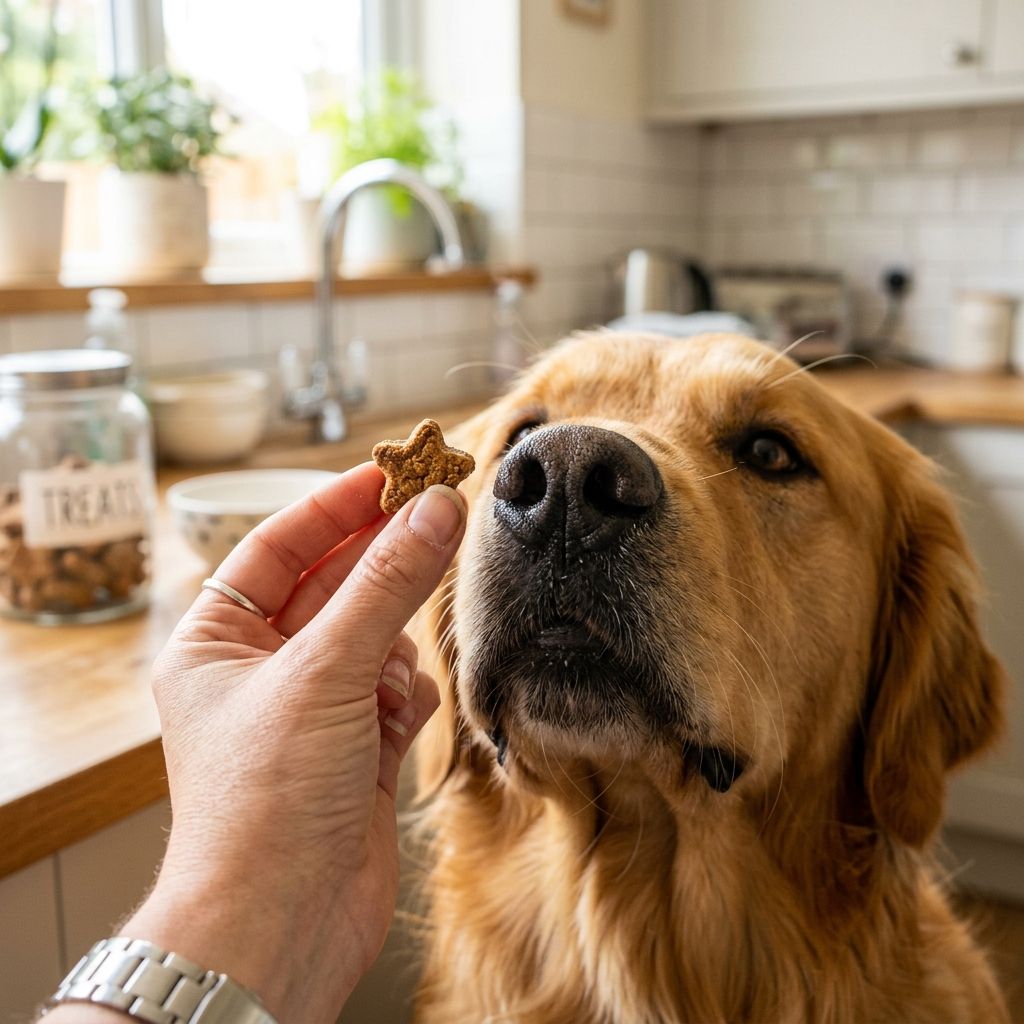
Dogs often use appeasement gestures to defuse tension or show that they are uncomfortable. These can include lip licking (when there's no food around), yawning (when not tired), and turning the head away. Recognizing these early warning signs of stress is crucial for preventing escalation.
Another common sign is the "whale eye," where a dog turns its head away but keeps its eyes fixed on what is stressing it, exposing the whites of its eyes. If you see this, it is time to give the dog space.
Fearful Body Language
A fearful dog will try to make itself look as small as possible. This involves a tucked tail, flattened ears, and a lowered posture. They may cower or try to hide behind their owner.

Recognizing Aggression
Aggressive body language often involves a dog trying to make itself look larger. This can include standing tall, ears pricked forward, a stiffly wagging tail (often held high), and piloerection (raised hackles). It's important to remember that a wagging tail does not always mean a friendly dog.
If you encounter a dog displaying these signs, avoid making eye contact, turn sideways to present a less threatening profile, and slowly back away.
Safe Interactions
When interacting with a new dog, always let them approach you first. Avoid leaning over them or staring directly into their eyes. Pet them on the chest or side rather than the top of the head.
Conclusion
By learning to accurately read dog body language, you can become a better advocate for your canine companion. It allows you to protect them from stressful situations, understand their needs, and communicate more effectively. The key is to look at the whole picture—incorporating the ears, eyes, mouth, posture, and tail—rather than focusing on a single element.