Dog Food Allergies in Dogs: Symptoms, Diagnosis, and the Best Hypoallergenic Diets
Quick Answer
- Most dog food allergies cause chronic skin itching and recurrent ear infections — not digestive upset
- Beef (34%), dairy (17%), and chicken (15%) cause two-thirds of all confirmed dog food allergies
- Blood, saliva, and hair tests are NOT reliable for diagnosis — only an 8-week elimination diet can confirm
- Prescription hydrolyzed diets (Hill's z/d, Royal Canin HP, Purina HA) are the gold standard for diagnosis
- Approximately 1% of all dogs have food allergies, but 10-25% of dogs with allergic skin disease test positive

Not sure where to start? Find your situation below:
| If your dog has... | Go to this section |
|---|---|
| Itchy paws, face, or belly that never stops | Symptoms |
| Ear infections every few weeks | Symptoms |
| Chronic diarrhea or vomiting | Food Allergy vs Intolerance |
| You're ready to try an elimination diet | The 8-Week Elimination Diet |
| You need help picking a food | Choosing the Right Diet |
Your dog has been scratching for weeks. Maybe months. The paws are red, the ears are infected again, and you've tried three different "sensitive skin" formulas from the pet store — none of them helped. You're starting to wonder if this could be a food allergy.
The short answer: it might be. But here's what most pet food companies won't tell you: the vast majority of dogs with chronic itching do not have food allergies. Environmental allergens — pollen, dust mites, grasses — are far more common triggers. And diagnosing a true food allergy requires a rigorous, 8-week veterinary-supervised elimination diet. A simple food swap won't cut it.
This article breaks down the current evidence on dog food allergies — how to recognize them, how they're diagnosed, and what actually works for long-term management. The evidence here draws from peer-reviewed studies published through mid-2026, including the most recent dose-response trials and veterinary dermatology consensus guidelines.
What Are Dog Food Allergies? (And How They Differ From Intolerances)
A true dog food allergy is an immune system reaction to a specific protein in the diet — this is fundamentally different from a food intolerance, which involves the digestive system alone.
The immune system identifies a food protein — usually from beef, dairy, or chicken — as a threat and mounts a response. This response typically involves IgE antibodies (immediate hypersensitivity) or T-cells (delayed-type hypersensitivity). In dogs, delayed-type reactions appear to be more common than immediate reactions, which is why symptoms often take days to appear after eating a trigger food. A prospective double-blinded study published in Frontiers in Veterinary Science (2026) found that the mean time to clinical flare after dietary provocation was 4.1 days, with most reactions occurring between days 2 and 6.
Food intolerances, by contrast, involve no immune activation. A dog who lacks the digestive enzymes to process lactose, for example, may develop diarrhea after drinking milk — but this is not an allergy. The distinction matters because the diagnostic approach and long-term management differ.
The prevalence of true food allergy in dogs is approximately 1% of the general population, according to a 2026 comprehensive review published in Applied Sciences. However, among dogs presenting to veterinary dermatology specialists with pruritus (itching), the prevalence rises to 10-25%. Certain breeds appear overrepresented: German Shepherds, Labradors, Golden Retrievers, and West Highland White Terriers account for more than one-third of confirmed cases in the published literature.
The most common trigger proteins have remained remarkably consistent across studies and geographic regions. A landmark 2016 review by Mueller and colleagues of 297 dogs with confirmed cutaneous adverse food reactions found that beef was responsible for 34% of cases, dairy 17%, chicken 15%, wheat 13%, and lamb 5%. These figures have been broadly replicated in subsequent research, including a 2026 prospective study from Malaysia, Singapore, and Indonesia that found chicken was the dominant allergen in Southeast Asia.
Did You Know: The top three allergens — beef, dairy, and chicken — account for approximately two-thirds of all confirmed dog food allergies. Yet many owners first try "grain-free" diets, which address none of these.
What you can do: Start a simple food diary today. Write down every single thing your dog eats for the next two weeks — including treats, chews, flavored medications, and table scraps. This diary will be invaluable if you pursue an elimination diet with your veterinarian.
Key Takeaways
- Food allergies are immune reactions to specific proteins; intolerances are digestive-only
- Beef, dairy, and chicken cause ~66% of confirmed cases
- Only ~1% of all dogs have food allergies, but the rate is higher in dogs with chronic itching
- Most reactions are delayed-type (T-cell mediated), appearing days after exposure
Symptoms: How to Tell If Your Dog Has a Food Allergy
The hallmark of dog food allergies is non-seasonal itching — and it's not where most owners expect it.
Contrary to popular belief, vomiting and diarrhea are not the primary signs. A systematic review by Olivry and Mueller (2019) reported that 94% of dogs with confirmed food allergies presented with pruritus (itching) as their primary symptom. The itching is typically concentrated on specific areas: the paws, ears, face, belly, and armpits. A 2026 prospective study of 49 dogs with confirmed cutaneous adverse food reactions found that pedal pruritus (itchy paws) and/or otitis (ear inflammation) affected 68% of affected dogs.
Recurring ear infections — otitis externa that returns every few weeks despite treatment — are a clinical red flag for food allergy. Dogs with food allergies often develop secondary yeast (Malassezia) or bacterial (Staphylococcus) infections in the ears and skin folds, creating a cycle of infection, treatment, and relapse that frustrates owners and veterinarians alike.
The most important feature distinguishing food allergy from environmental allergy is seasonality. Environmental allergies (atopic dermatitis) typically flare during specific seasons — spring pollen, summer grasses, fall molds. Food allergies, by contrast, persist year-round. However, approximately 30% of dogs with environmental allergies also experience perennial symptoms, so non-seasonal itching alone does not confirm a food allergy.
Gastrointestinal symptoms occur in fewer than 20% of confirmed cases, according to the published data. When they do appear, they typically include vomiting, diarrhea, increased flatulence, and more frequent bowel movements. Dogs with both skin and GI symptoms are more likely to have food allergy than environmental allergy alone.
Vet Tip: Take photos of your dog's affected areas once a week. A visual timeline is far more useful for your veterinarian than your memory of "it seemed better last month."
What you can do: Check your dog's paws, ears, and belly today. If you see redness, hair loss, or signs of licking/chewing, start a log of when these symptoms appear and whether they change with season.
Key Takeaways
- Non-seasonal itching — especially paws, ears, and face — is the #1 sign
- Recurring ear infections that don't resolve fully are a major red flag
- GI symptoms alone are unlikely to be food allergy
- The key differentiator from environmental allergy is seasonality
The 8-Week Elimination Diet: The Gold Standard for Diagnosis
There is no blood test, saliva test, or hair analysis that can reliably diagnose a dog food allergy. The only validated method is an 8-week elimination diet trial followed by a controlled food challenge.
This is the most important thing to understand about dog food allergies. Commercial IgE blood panels marketed directly to consumers have been studied against gold-standard elimination diet trials and found to produce results indistinguishable from random. The American Veterinary Medical Association, the American College of Veterinary Dermatology, and multiple peer-reviewed studies have all concluded that serological testing for food allergies in dogs lacks diagnostic validity.
The elimination diet protocol is straightforward in concept but demanding in practice:
- Veterinary consultation: Your veterinarian selects an appropriate prescription diet based on your dog's dietary history. This is almost always a hydrolyzed protein diet or, in some cases, a novel protein diet.
- Strict feeding for 8-12 weeks: Your dog eats ONLY the prescribed diet. No treats. No table scraps. No flavored medications (including most chewable heartworm preventatives). No chew toys with flavoring. No cat food. No supplements with flavoring. Even trace amounts of other proteins can invalidate the trial.
- Monitor symptoms: Your veterinarian will assess pruritus scores and skin lesion severity at regular intervals. A 2025 triple-blinded study by Lewis and colleagues found that over half of dogs with confirmed food allergies required more than 4 weeks to show measurable improvement.
- Controlled food challenge: If symptoms improve significantly during the elimination diet, your veterinarian will reintroduce the original diet. A recurrence of clinical signs within 14 days confirms the diagnosis. The 2026 Frontiers study found that the mean time to flare was 4.1 days, supporting a monitoring period of at least 7-14 days.
- Confirmation: The diagnosis is confirmed only if symptoms resolve on the elimination diet AND recur on challenge. A dog that improves on the diet but does NOT flare on challenge does not have a food allergy — the improvement was coincidental.
Common Mistake: Switching your dog's food for a week, seeing improvement, and declaring a food allergy. True food allergies take weeks to resolve. Short-term improvement typically reflects coincidental resolution of unrelated GI upset or owner observation bias.
The sensitivity of an 8-week elimination diet exceeds 90% for diagnosing food allergies in dogs, according to the 2024 Veterinary Dermatology guidelines by Jackson and Dembele. Shortened protocols using concurrent anti-inflammatory medications (prednisolone or oclacitinib) can achieve diagnostic results in 4-6 weeks, but these require careful veterinary supervision.
What you can do: Schedule a veterinary appointment this week to discuss an elimination diet trial. Before the appointment, compile your food diary and photos of affected areas.
Key Takeaways
- Blood tests for food allergies are unreliable — don't waste money on them
- Only an 8-week strict elimination diet can diagnose food allergy
- A controlled food challenge (reintroduction) is required for confirmation
- Even 1 gram of trigger protein can cause a flare (per 2026 threshold study)
Choosing the Right Diet: Hydrolyzed vs Novel Protein vs Elemental
Prescription veterinary diets are the only acceptable option for a true elimination diet trial — over-the-counter diets frequently contain undeclared proteins that invalidate the results.
Three categories of elimination diets are available, and the choice depends on your dog's dietary history, your veterinarian's recommendation, and your budget.
| Diet Type | How It Works | Examples | Monthly Cost (est.) | Best For |
|---|---|---|---|---|
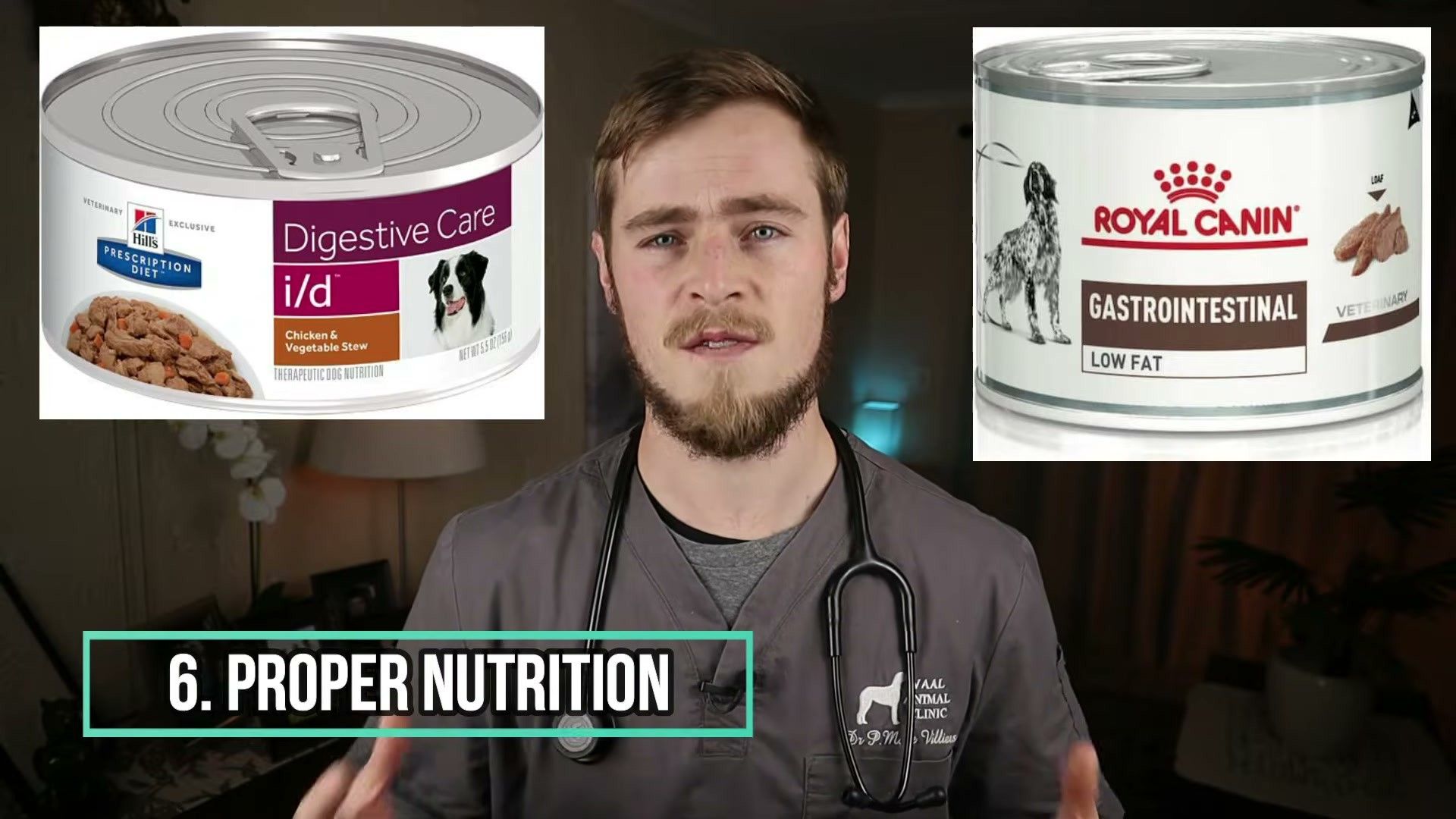
| Hydrolyzed Protein | Proteins broken into fragments too small for immune detection | Hill's z/d, Royal Canin HP, Purina HA | $80-120 | First-line choice for most dogs |
| Ultrahydrolyzed | Proteins reduced to <1-3 kDa fragments | Royal Canin Ultamino, Purina Elemental | $100-150 | Dogs that react to standard hydrolyzed diets |
| Novel Protein | Single protein source the dog has never eaten | Rabbit, venison, kangaroo, duck prescription diets | $60-100 | Dogs with known dietary history |
| Elemental (Amino Acid) | Synthetic amino acids, no intact proteins | Purina Pro Plan EL Elemental | $120-180 | Highly sensitive dogs; difficult to source |
| OTC Limited Ingredient | Single protein source, commercial manufacturing | Various brands | $40-70 | NOT recommended for diagnosis |
Hydrolyzed protein diets are the preferred first-line option for most veterinarians. The hydrolysis process uses enzymes to cleave peptide bonds, reducing protein fragments to sizes theoretically below the threshold for IgE recognition. However, the Merck Veterinary Manual (2025 edition) notes that partially hydrolyzed diets (proteins <5 kDa) may still trigger reactions in sensitized animals, while extensively hydrolyzed diets (<1-3 kDa) are less likely to do so.
A 2025 multicenter, triple-blinded, randomized trial by Lewis and colleagues evaluated a hydrolyzed salmon diet against a hydrolyzed poultry feather diet in 47 dogs. Both diets produced significant reductions in pruritus and dermatitis severity scores, and the hydrolyzed salmon diet was well-tolerated. This validated hydrolyzed salmon as an additional option for elimination diet trials.
The 2023 AAHA Guidelines for Management of Allergic Skin Diseases strongly caution against using OTC diets for elimination trials. Independent laboratory testing has found undeclared proteins — including chicken, beef, and soy — in a significant percentage of OTC "limited ingredient" diets. These undeclared proteins can invalidate an otherwise well-conducted elimination trial.
Vet Tip: Ask your veterinarian about prescribing a diet from a manufacturer with published cross-contact statements. Some companies provide documentation confirming the absence of undeclared proteins in their prescription diets.
What you can do: Discuss the cost and availability of prescription hydrolyzed diets with your veterinarian. If cost is a concern, ask about the most affordable prescription option — some are significantly less expensive than others.
Key Takeaways
- Prescription diets are the only reliable option for diagnosis
- Hydrolyzed diets are the first choice for most vets
- OTC diets may contain undeclared proteins — avoid for diagnosis
- Elemental diets exist for highly sensitive dogs but can be hard to source
Life After Diagnosis: Long-Term Management
Once a trigger ingredient is identified, the treatment is straightforward: lifelong avoidance. But the practical implementation is more nuanced than simply reading ingredient labels.
For dogs with confirmed food allergies, the safest approach is to continue the elimination diet that worked during the trial, provided it is nutritionally complete for long-term feeding. Many prescription hydrolyzed diets are formulated for both diagnosis and maintenance.
If owners prefer to explore other options, careful controlled trials of alternative diets can be attempted — one new food at a time, with a 14-day observation period between each introduction. This is how specific trigger ingredients are identified and a broader diet can be constructed.
Cross-reactivity between related protein families is an important consideration. Serological studies have demonstrated cross-reactive IgE-binding epitopes between beef, lamb, and cow's milk. Dogs allergic to chicken may be at increased risk for cross-reactivity with fish proteins. The 2026 Applied Sciences review recommends careful evaluation of protein homology when selecting maintenance diets.
Multi-pet households present a particular challenge. The food-allergic dog must eat its prescription diet exclusively, but other pets in the household continue eating their regular food. Practical strategies include feeding the allergic dog in a separate room, using microchip-activated feeders, and ensuring the allergic dog cannot access other pets' bowls or feces.
Complementary approaches may support skin health during long-term management. Omega-3 fatty acids (EPA and DHA) provide anti-inflammatory support for the skin. A 2023 study by Noli and colleagues found that a hydrolyzed fish and rice starch diet modified the gut microbiota of allergic dogs, promoting bacteria that produce short-chain fatty acids essential for intestinal homeostasis. Probiotics and prebiotics may support this gut-skin axis, though the evidence base in dogs remains preliminary.
Did You Know: Dogs allergic to beef may also react to lamb, venison, and bison due to cross-reactive proteins shared across ruminant species. Your veterinarian can help identify safe alternatives.
What you can do: If your dog has a confirmed food allergy, keep at least one extra bag or case of their safe diet on hand. Prescription diet shortages and backorders are increasingly common, and an emergency diet change can trigger a flare.
Key Takeaways
- Continuing the elimination diet is the safest long-term option
- Cross-reactivity between related proteins is well-documented
- Multi-pet households require careful feeding separation
- Omega-3 fatty acids and probiotics may support skin health
- Always keep a backup supply of your dog's safe diet
Common Mistakes Owners Make
Mistake 1: Blood tests can diagnose food allergies
What people get wrong: Many direct-to-consumer blood, saliva, and hair test kits claim to identify food allergies. These tests measure antibody responses to food proteins, but published veterinary dermatology guidance consistently shows poor correlation between antibody presence and clinical allergy.
What to do instead: Save your money and invest in a proper veterinary-supervised elimination diet.
Mistake 2: My dog improved in 3 days, so it must be a food allergy
What people get wrong: True food allergies require weeks of dietary elimination before skin symptoms resolve. The 2025 Lewis study found that over half of confirmed food-allergic dogs needed more than 4 weeks to show improvement.
What to do instead: Give the elimination diet a full 8 weeks before assessing results.
Mistake 3: Grain-free food is the answer
What people get wrong: Grains (wheat, corn) account for only about 13% of confirmed food allergies. Beef, dairy, and chicken — all animal proteins — cause approximately two-thirds of cases.
What to do instead: Focus on the protein source, not the grain content.
Mistake 4: A little treat won't hurt the diet trial
What people get wrong: The 2026 Frontiers study found that some dogs react to as little as 1 gram of trigger protein. A single bite can cause a measurable flare.
What to do instead: Zero tolerance during the elimination diet.
Mistake 5: My dog has diarrhea, so it's a food allergy
What people get wrong: Gastrointestinal symptoms alone are the presenting sign in fewer than 20% of confirmed food allergy cases.
What to do instead: Have your veterinarian rule out parasites, bacterial infections, and other causes first.
Practical Protocol: What To Do This Week
The diagnostic process for food allergies takes 8-12 weeks, but you can start building the foundation today.
Week 1: Document and Prepare
- Start a food diary — write down absolutely everything your dog eats
- Take photographs of all affected skin areas (paws, ears, belly, face)
- Schedule a veterinary appointment to discuss an elimination diet trial
- Ask your veterinarian about switching to a non-flavored heartworm and flea/tick preventive
Week 2: Vet Consultation
- Bring your food diary, photographs, and symptom timeline to your appointment
- Discuss which prescription elimination diet is appropriate
- Purchase the diet and any necessary feeding accessories
Weeks 3-10: The Elimination Diet
- Feed ONLY the prescribed diet — no exceptions
- Track pruritus weekly using the Pruritus Visual Analog Scale (0-10)
- Take photographs every two weeks to document changes
- Treat secondary infections if present
Week 11: Food Challenge (if symptoms improved)
- Reintroduce the original diet under veterinary supervision
- Monitor for any recurrence of itching, skin lesions, or GI signs
- Document timing and severity of any flare
Week 12: Diagnosis Confirmed or Ruled Out
- If symptoms recurred on challenge → food allergy confirmed → continue avoidance diet
- If symptoms did NOT recur → food allergy ruled out → investigate environmental allergies
Frequently Asked Questions
What are the most common signs of food allergies in dogs?
Non-seasonal itching concentrated on the paws, ears, face, belly, and armpits is the primary sign. Recurring ear infections and hot spots are also common. Gastrointestinal symptoms occur in fewer than 20% of cases.
How is a dog food allergy diagnosed?
The only validated diagnostic method is an 8-week elimination diet trial using a prescription hydrolyzed or novel-protein diet, followed by a controlled food challenge. Blood, saliva, and hair tests are not reliable.
What is the best hypoallergenic dog food?
There is no single best diet for all dogs. Prescription hydrolyzed diets (Hill's z/d, Royal Canin HP, Purina HA) are the most common first-line choice. The right diet depends on your dog's dietary history and your veterinarian's recommendation.
Can a dog develop a food allergy suddenly?
Yes, food allergies require prior sensitization to the protein. Most dogs are diagnosed between 1-5 years of age, but food allergies can develop at any age.
How long does an elimination diet for dogs take?
Most protocols recommend 8-12 weeks. An 8-week trial achieves diagnostic sensitivity above 90%. Some dogs show improvement within 4 weeks, but over half require more than 4 weeks.
What is the difference between food allergy and food intolerance in dogs?
A food allergy involves the immune system reacting to a food protein, causing inflammation and itching. A food intolerance involves the digestive system's inability to process a food component — no immune activation, no skin symptoms.
Are blood tests reliable for diagnosing dog food allergies?
No. Commercial IgE blood panels, saliva tests, and hair analysis have not been validated against gold-standard elimination diet trials. The ACVD and AVMA do not recommend these tests.
What foods are dogs most commonly allergic to?
Beef (34%), dairy (17%), and chicken (15%) are the top three. Wheat (13%) and lamb (5%) follow. These proportions are consistent across multiple studies.
Key Takeaways
- Dog food allergies primarily cause skin problems — chronic itching, recurrent ear infections, and hot spots — not digestive upset
- Beef, dairy, and chicken cause approximately two-thirds of all confirmed dog food allergies
- Blood, saliva, and hair tests for food allergies are unreliable and should not be used for diagnosis
- Only an 8-week veterinary-supervised elimination diet followed by a controlled food challenge can confirm a diagnosis
- Prescription hydrolyzed or novel-protein diets are the only acceptable option for a true elimination diet trial
- Once trigger proteins are identified, lifelong avoidance is the primary treatment
- Work closely with your veterinarian throughout the diagnostic process
Related Articles
- Fresh Dog Food vs Kibble: The Complete 2026 Guide — Compare fresh and processed diet options for your dog
- Best Supplements for Dogs: An Evidence-Based Guide — Omega-3s, probiotics, and other supplements for skin and coat health
- Raw Dog Food for Dogs: Safety, Risks, and What Vets Actually Say — Understanding raw diet risks for dogs with compromised immune systems
- The Complete Dog Nutrition Guide — Everything you need to know about feeding your dog at every life stage
References
- Mueller RS, Olivry T, Prélaud P. Critically appraised topic on adverse food reactions of companion animals (2): Common food allergen sources in dogs and cats. BMC Veterinary Research. 2016.
- Olivry T, Mueller RS. Critically appraised topic on adverse food reactions of companion animals (1): Duration of elimination diets. BMC Veterinary Research. 2019.
- Jackson HA, Dembele V. Conducting a Successful Diet Trial for the Diagnosis of Food Allergy in Dogs and Cats. Veterinary Dermatology. 2024;35:586-592.
- Lewis TP, Moore GE, Laporte C, Daristotle L, Frantz NZ. Evaluation of hydrolyzed salmon and hydrolyzed poultry feather diets in restrictive diet trials for diagnosis of food allergies in pruritic dogs. Frontiers in Veterinary Science. 2025;12:1560806.
- Multiple authors. A prospective double-blinded study evaluating threshold doses of dietary allergens that trigger adverse food reactions in dogs. Frontiers in Veterinary Science. 2026.
- Multiple authors. Food Allergy in Companion Animals: Integrating Traditional Diagnostics with Emerging Approaches. Applied Sciences (MDPI). 2026;16(5):2169.
- AAHA. 2023 AAHA Management of Allergic Skin Diseases in Dogs and Cats Guidelines. Journal of the American Animal Hospital Association. 2023;59(6).
- Tinsley J, Griffin C, Sheinberg G, Griffin J, Cross E, Gagné J, Romero A. An Open-Label Clinical Trial to Evaluate the Efficacy of an Elemental Diet for the Diagnosis of Adverse Food Reactions in Dogs. Veterinary Dermatology. 2024;35:40-50.
- Noli C, Varina A, Barbieri C, Pirola A, Olivero D. Analysis of Intestinal Microbiota and Metabolic Pathways Before and After a 2-Month-Long Hydrolyzed Fish and Rice Starch Hypoallergenic Diet Trial in Pruritic Dogs. Veterinary Sciences. 2023;10:478.
- Hernadi H, Han HS. Clinical Signs and Offending Food Allergens in Canine Cutaneous Adverse Food Reactions in Malaysia, Singapore and Indonesia. Veterinary Dermatology. 2026.