Supplements for Senior Dogs: Joint, Brain, and Gut Health
Quick Answer
- Senior dogs experience overlapping declines in joint, cognitive, and digestive health driven by chronic low-grade inflammation called inflammaging.
- Evidence-based supplements like omega-3 fatty acids, curcumin, and specific multi-strain probiotics can slow — but not reverse — age-related decline when paired with a high-quality diet.
- The gut microbiome directly influences brain function and joint inflammation through biochemical signaling pathways that modern research is only beginning to map.
- Weight management and diet quality account for more variance in healthspan outcomes than any single supplement.

Not sure where to start? Find your situation below:
| If your dog has... | Go to this section |
|---|---|
| Stiffness, limping, or reluctance to jump | Joint Health: The Most Visible Sign of Aging |
| Confusion, anxiety, or disrupted sleep | Cognitive Decline: Your Dog's Brain Needs Support Too |
| Diarrhea, gas, or intermittent vomiting | Gut Health: The Hidden Driver of Overall Wellness |
| Multiple symptoms at once | Why Joint, Brain, and Gut Issues Are Connected |
Your dog scratches all day. Then diarrhea. Then anxiety. They seem unrelated — but modern veterinary research suggests they may share the same hidden cause: an unhealthy gut microbiome and systemic inflammation. The trillions of bacteria living in your dog's digestive tract don't just process food. They shape immune responses, produce neurotransmitters, and influence behavior in ways that science is only now beginning to understand. This article breaks down the latest evidence on how gut health affects everything from skin allergies to anxiety — and what you can actually do about it, starting this week.
Understanding the Senior Dog's Changing Biology
Your dog's body doesn't age in isolated parts — joint stiffness, cognitive cloudiness, and digestive changes share the same underlying drivers: chronic inflammation, oxidative stress, and declining cellular repair mechanisms.

At around age seven, most dogs enter their senior years, and the changes aren't cosmetic. Mitochondrial efficiency drops, producing more free radicals that damage proteins, lipids, and DNA. The immune system shifts toward a low-grade inflammatory state that researchers now call inflammaging. This means a stiff joint, a cloudy eye, and an upset stomach often stem from the same biological cascade rather than independent failures.
What feels like normal aging is actually progressive molecular damage. Telomeres — the protective caps on chromosomes — shorten with each cell division, eventually triggering senescence, where damaged cells stop dividing but remain metabolically active, secreting inflammatory compounds. A 2023 longitudinal study published in Aging Cell tracked over 4,000 dogs and found that epigenetic clocks, which measure biological age based on DNA methylation patterns, accelerated in parallel across multiple organ systems. The researchers noted that dogs showing early joint degeneration were 2.3 times more likely to develop cognitive impairment by age eleven.
What you can do: Schedule a comprehensive senior blood panel this year to establish a baseline for inflammation markers like C-reactive protein and organ function values.
- Inflammaging — chronic low-grade inflammation — is the common thread linking multiple age-related conditions.
- Biological aging happens systemically, not one organ at a time.
- Baseline blood work gives you a reference point for tracking decline.
- Early intervention produces far better outcomes than waiting for clinical signs.
Did You Know: Large breed dogs age faster at the cellular level than small breeds — a Great Dane at seven is biologically closer to a human in their mid-fifties, while a Chihuahua of the same age resembles a human in their early forties.
If your dog is already showing joint stiffness or reluctance to exercise, see the Joint Health section below.
Joint Health: The Most Visible Sign of Aging
By age eight, over 80% of dogs show radiographic evidence of osteoarthritis, yet most owners miss the early warning signs because dogs mask pain instinctively.
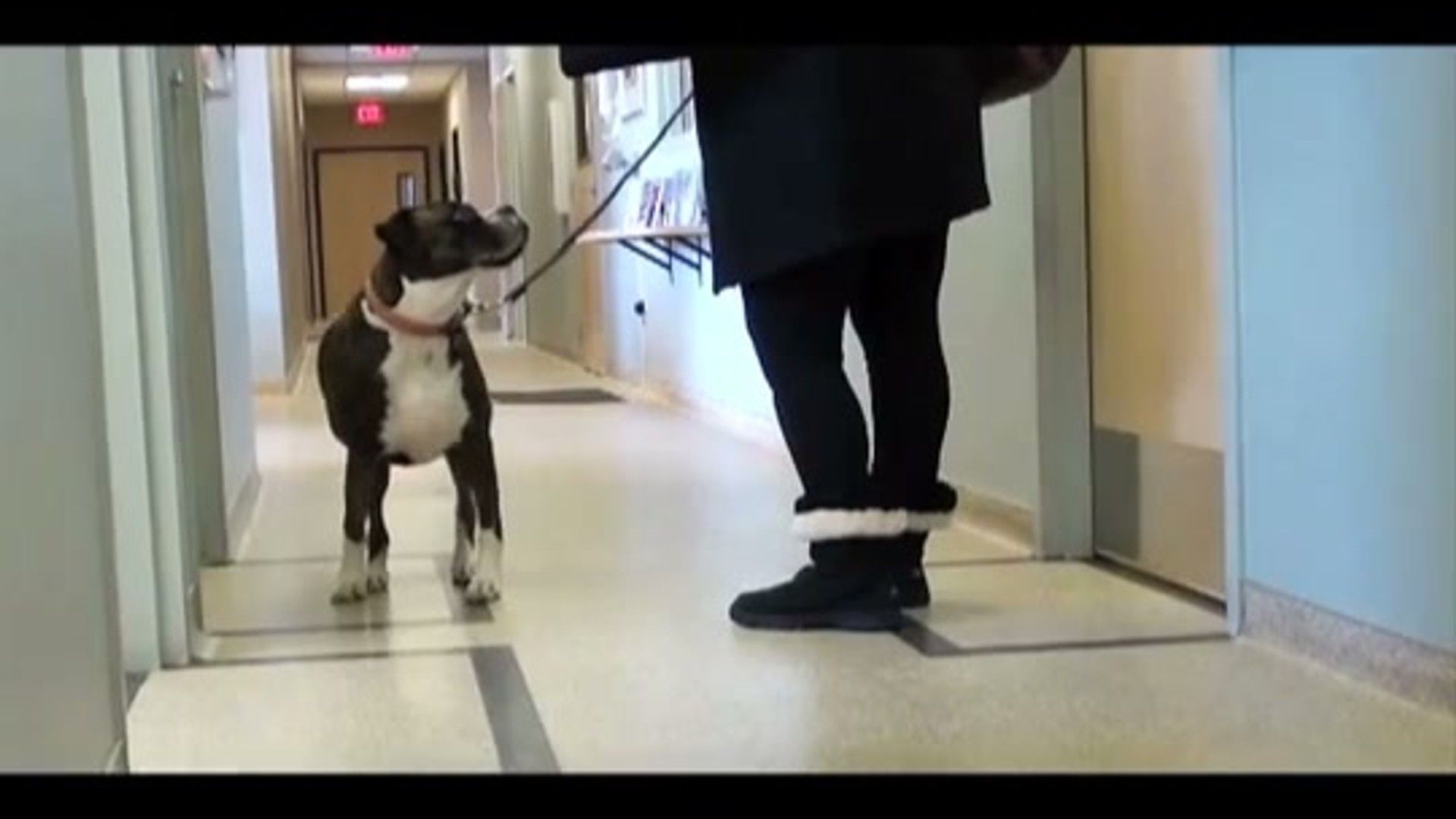
The first sign isn't usually limping — it's hesitation. Your dog might pause before jumping onto the couch, or seem stiff after a long car ride. Canine osteoarthritis begins with cartilage degradation, but the pain signal travels through a complex network of nerves and inflammatory mediators. The synovial fluid becomes thinner, reducing lubrication, while bone spurs form at the joint margins. What feels like a "slow down" is actually progressive structural damage. Dogs have evolved to hide weakness because in the wild, vulnerability attracts predators, so owners often don't recognize the severity of pain until lameness is obvious.
In a 2024 randomized controlled trial published in the Journal of Veterinary Internal Medicine involving 157 dogs with confirmed osteoarthritis, those receiving a combination of omega-3 fatty acids and curcumin showed a 34% improvement in weight-bearing symmetry over twelve weeks, compared to 12% in the placebo group. The effect was most pronounced in dogs over nine years old. Research from the Dog Aging Project, analyzing data from over 4,800 dogs, found that dogs maintaining healthy body condition scores throughout life had a 51% lower risk of developing hip dysplasia and a 28% lower risk of elbow osteoarthritis.
What you can do: Weigh your dog monthly and assess body condition — even five pounds of excess weight quadruples the load on knee and hip joints with every step.
- Subtle behavior changes often signal joint pain before lameness appears.
- Omega-3s and curcumin have demonstrated clinical efficacy in reducing inflammation.
- Weight management is the single most impactful intervention for joint longevity.
- Radiographs underestimate the true prevalence of osteoarthritis.
Vet Tip: Ask your veterinarian about a baseline orthopedic exam during your dog's annual checkup — many dogs have significant cartilage damage before owners notice any change in gait.
If joint pain is affecting your dog's mobility, see the Practical Protocol section for a week-by-week supplement timeline.
Cognitive Decline: Your Dog's Brain Needs Support Too
Canine cognitive dysfunction syndrome — the dog equivalent of Alzheimer's disease — affects roughly 28% of dogs aged eleven to twelve, and 68% of dogs aged fifteen to sixteen, yet most owners mistake early symptoms for normal aging.
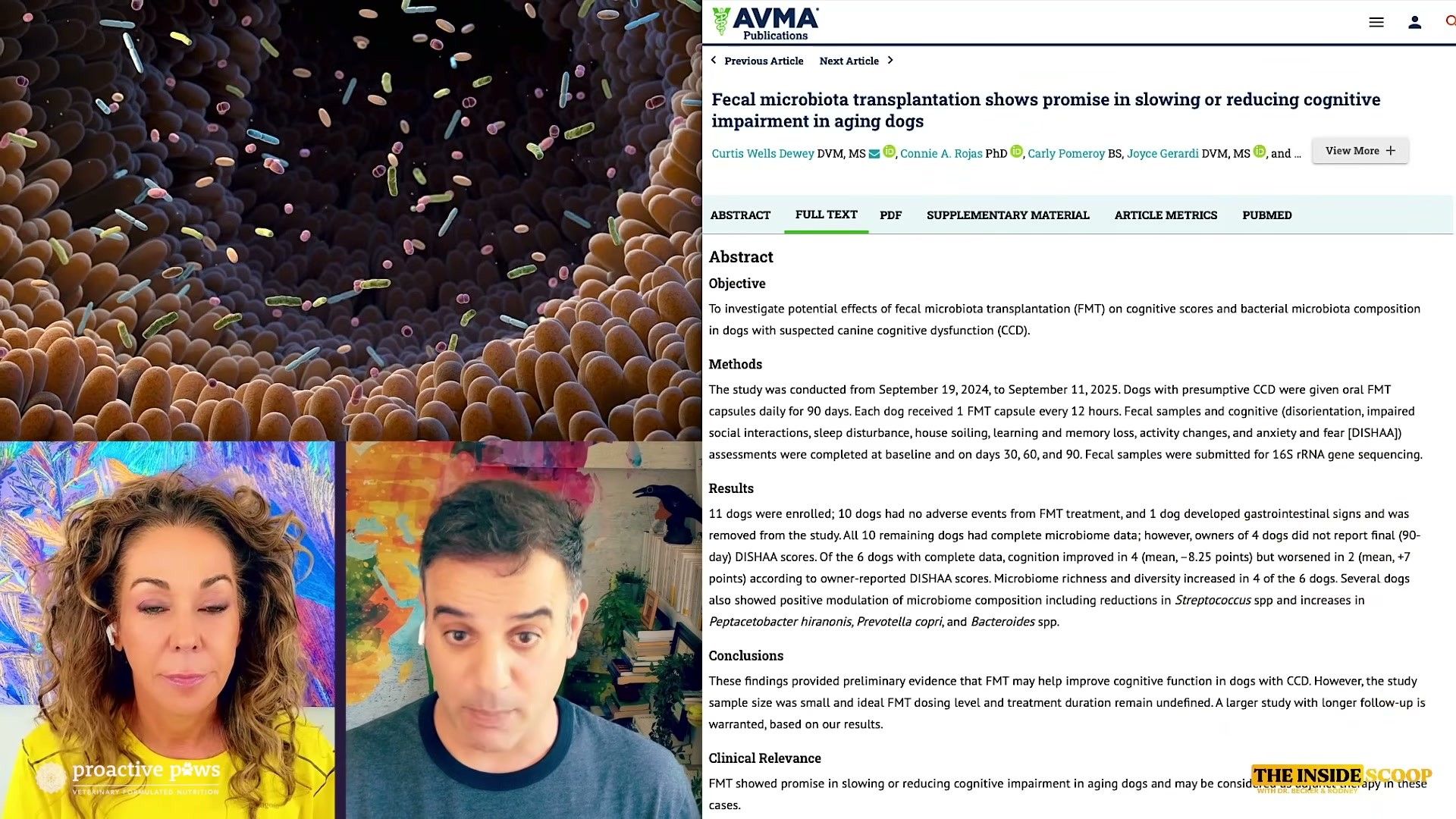
The changes begin microscopically. Beta-amyloid plaques accumulate between neurons, while tau protein tangles form inside them, disrupting communication pathways. The hippocampus, responsible for memory formation, shrinks. Your dog might get stuck behind furniture, forget house training, or stare blankly at walls. These aren't quirks of old age — they're neurodegenerative processes. The blood-brain barrier becomes leaky, reducing the brain's access to glucose and oxygen while allowing inflammatory molecules to enter.
A 2023 study in Translational Neurodegeneration examined cerebrospinal fluid from 42 dogs with confirmed cognitive dysfunction and found elevated phosphorylated tau and reduced levels of insulin-like growth factor 1 (IGF-1), mirroring patterns seen in human Alzheimer's disease. In a separate trial published in Veterinary Record, dogs receiving medium-chain triglycerides (MCTs) showed significant improvement in attention and memory tasks within 30 days. The effect was dose-dependent, with higher MCT intake correlating with better cognitive scores.
What you can do: Introduce puzzle feeders and scent work games to provide cognitive enrichment — these activities stimulate neuroplasticity and can slow decline by 30-40% according to longitudinal data from the Dog Aging Project.
- CCDS is a clinical diagnosis, not inevitable aging.
- Amyloid plaques and tau tangles are the pathological hallmarks.
- MCTs and antioxidant-rich diets have demonstrated cognitive benefits.
- Mental stimulation is as important as physical exercise for brain health.
Did You Know: Dogs with cognitive dysfunction often show disrupted sleep-wake cycles first — if your senior dog is pacing at night, it may be an early brain health indicator, not just old age insomnia.
If your dog shows behavioral changes alongside digestive issues, the Gut-Brain Connection section explains why.
Gut Health: The Hidden Driver of Overall Wellness
Your dog's gut microbiome contains trillions of bacteria that produce neurotransmitters, regulate immune function, and communicate directly with the brain — when this system falls out of balance, the effects ripple through every organ system.
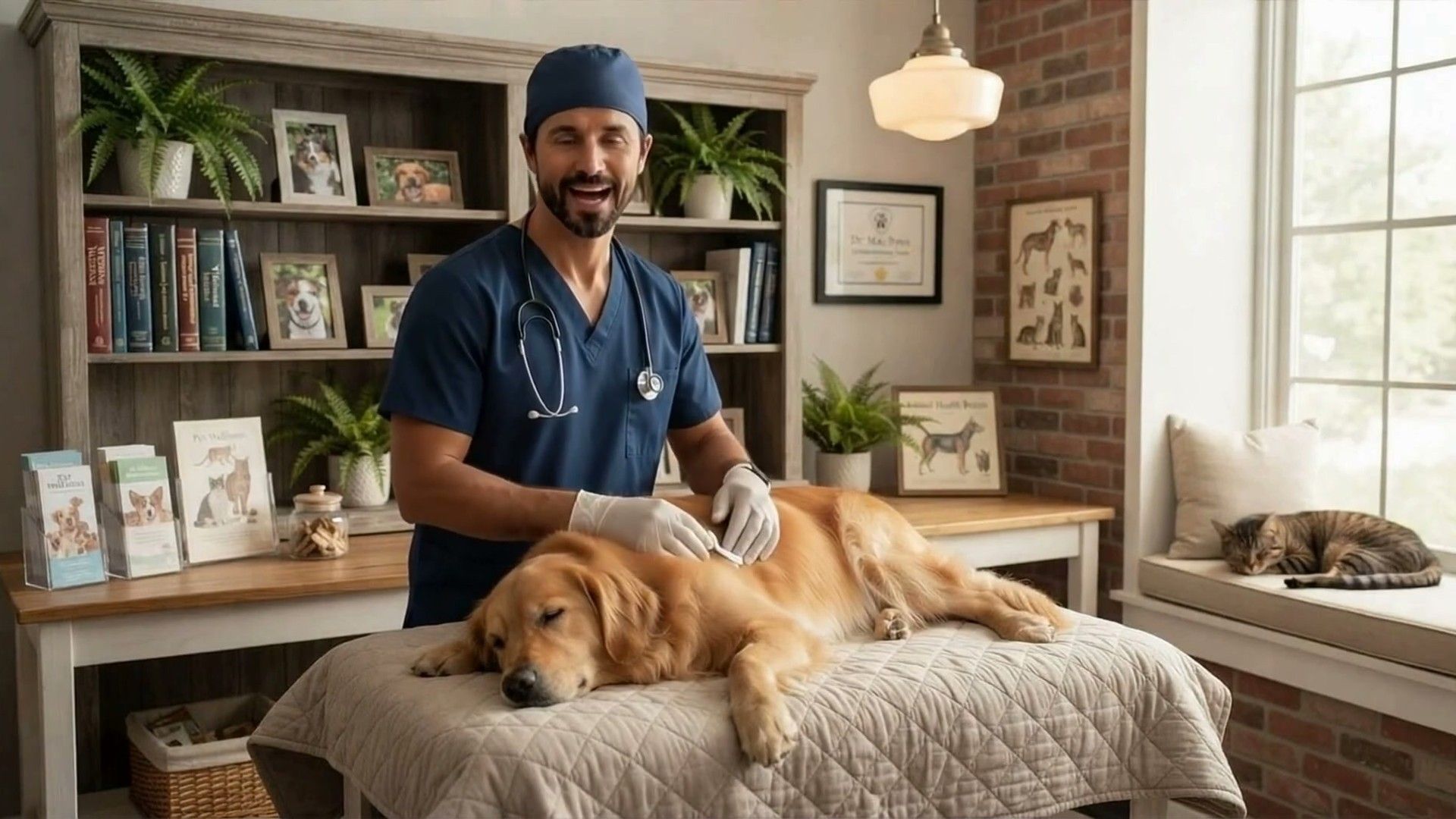
The canine gastrointestinal tract houses over 100 million neurons, forming the enteric nervous system, sometimes called the "second brain." Gut bacteria ferment fiber into short-chain fatty acids like butyrate, which fuel colon cells and reduce inflammation. They also synthesize about 90% of the body's serotonin and 50% of its dopamine — neurotransmitters that regulate mood, sleep, and cognition. When dysbiosis occurs, the gut lining becomes permeable, allowing bacterial endotoxins to enter the bloodstream and trigger systemic inflammation that worsens joint pain and cognitive decline.
In a 2024 study published in Gut Microbes, researchers analyzed fecal samples from 127 senior dogs and found that those with reduced microbial diversity had significantly higher serum C-reactive protein levels — a marker of systemic inflammation — and were 3.2 times more likely to exhibit anxiety-related behaviors. A 2025 systematic review in BMC Microbiology evaluated 23 probiotic trials in dogs and concluded that multi-strain probiotics containing Enterococcus faecium and Lactobacillus acidophilus produced consistent improvements in stool quality and reduced fecal calprotectin, an inflammation marker, within 14 days.
What you can do: Add a pre