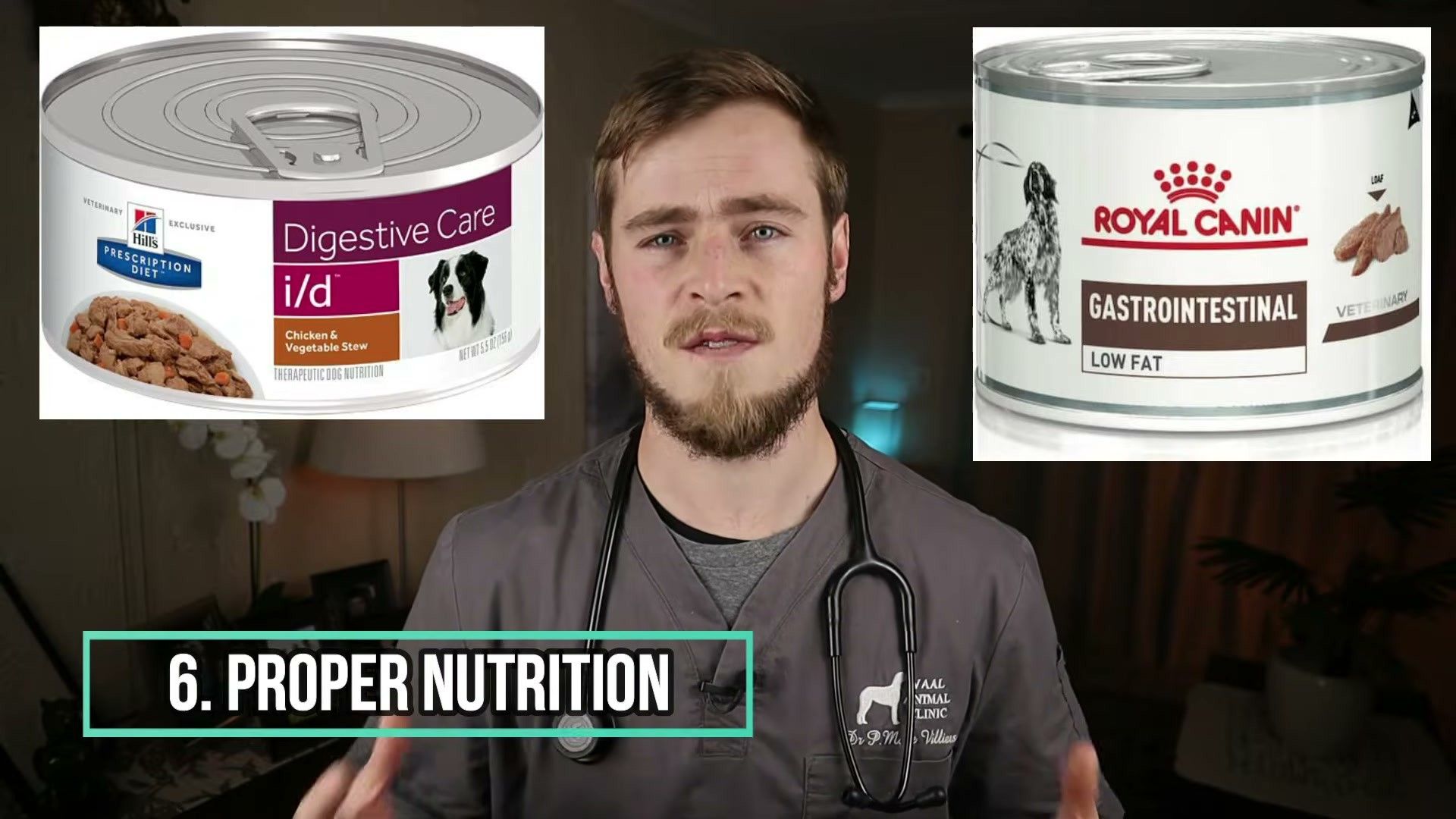
Senior Dog Nutrition: How to Adjust Your Dog's Diet After Age 7

As our canine companions age, their bodies undergo significant physiological changes. I am Dr. Benjamin Hartley, and in my years of veterinary practice, one of the most common and critical topics I discuss with pet parents is senior dog nutrition. Once your dog crosses the threshold of age seven—a generally accepted benchmark for entering the senior years in many breeds—their nutritional requirements shift. Adjusting their diet isn't just about extending their lifespan; it is about enhancing their healthspan. Let’s delve deep into the science and practice of feeding your senior dog.
The Aging Canine Body: Why Diet Matters
The metabolic rate of an older dog typically slows down. They may become less active due to joint issues like osteoarthritis, or simply due to a natural decrease in energy levels. This reduction in metabolic rate and physical activity means they require fewer calories to maintain a healthy body condition. Continuing to feed a senior dog the same diet in the same quantities as when they were young adult dogs often leads to obesity. Obesity in senior dogs is a significant health risk, exacerbating joint problems, increasing the risk of diabetes, and placing undue strain on cardiovascular function.
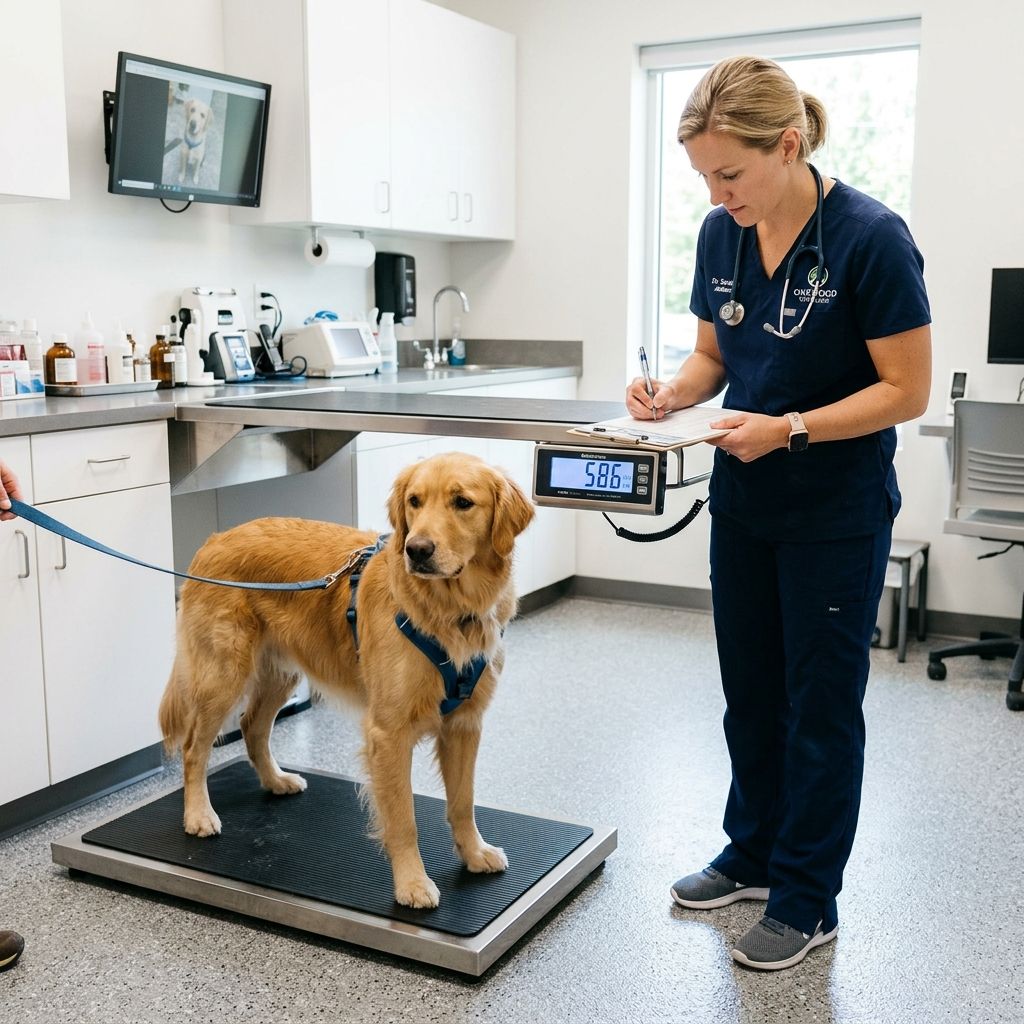
Conversely, some very old dogs experience a decrease in digestive efficiency. Their bodies may struggle to absorb nutrients as effectively as before. This can lead to weight loss and muscle wasting (sarcopenia). Therefore, the challenge of senior dog nutrition is a delicate balancing act: providing fewer calories to prevent weight gain, while ensuring those calories are packed with high-quality, easily digestible nutrients to prevent malnutrition and muscle loss.
Protein: The Cornerstone of Senior Health
For many years, there was a misconception that older dogs needed less protein to protect their kidneys. Modern veterinary nutrition science has largely debunked this myth for healthy senior dogs. In fact, senior dogs often need more protein than younger adults, not less. As dogs age, they naturally lose muscle mass. High-quality, easily digestible protein is crucial to help maintain that muscle mass, support a healthy immune system, and repair tissue.

When evaluating a senior diet, look for high-quality animal-based protein sources like chicken, beef, lamb, or fish listed as the first ingredients. The biological value of the protein matters immensely; it must be highly digestible so the aging gastrointestinal tract can break it down and utilize the amino acids effectively. If a senior dog is diagnosed with chronic kidney disease (CKD), protein restriction may become necessary, but this should only be done under the strict guidance of a veterinarian. For the average, healthy older dog, robust protein intake is vital.
Fats and Calories: A Delicate Balance
As mentioned, caloric requirements generally decrease in senior dogs. Therefore, the fat content of their diet often needs to be adjusted downwards. Fat is calorie-dense, providing roughly twice as many calories per gram as protein or carbohydrates. A diet lower in fat can help manage weight.
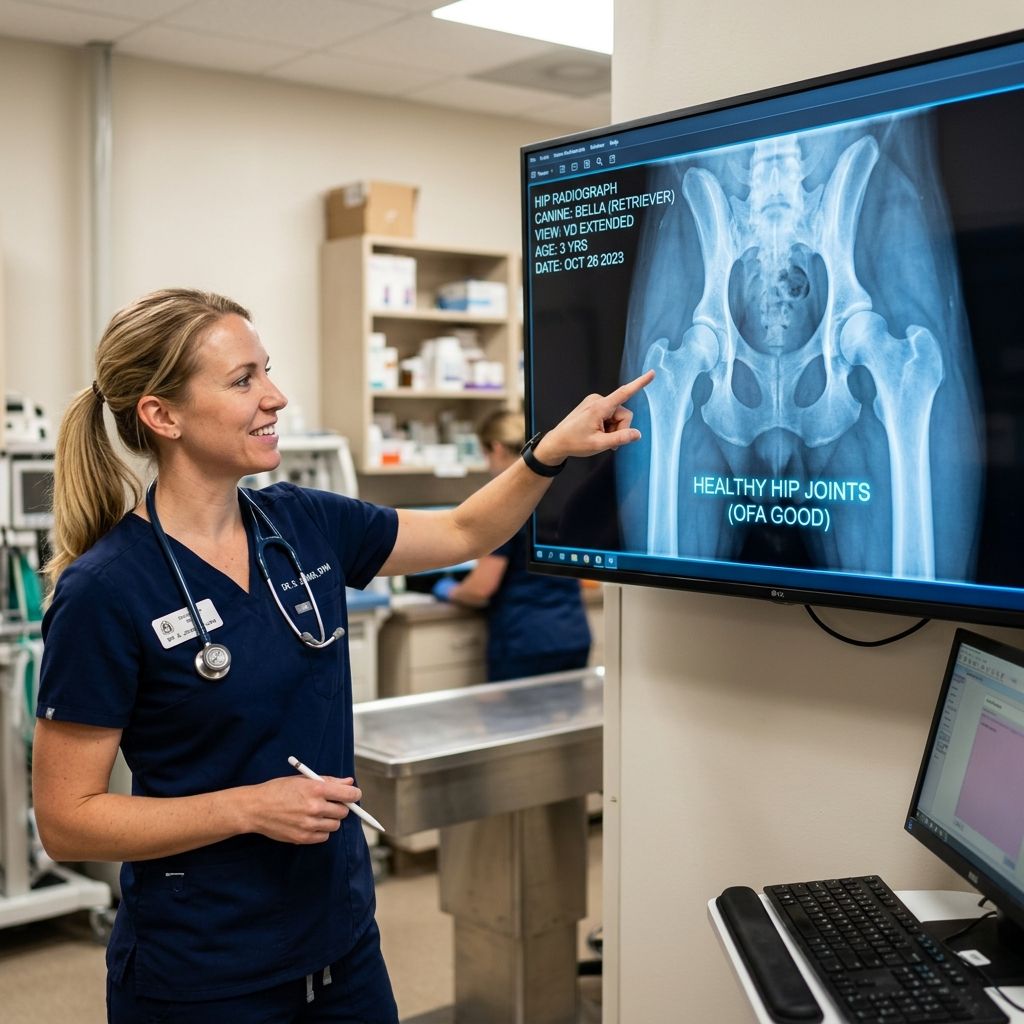
However, fat is not the enemy. Essential fatty acids, particularly Omega-3s (EPA and DHA), are incredibly beneficial for older dogs. These fatty acids possess potent anti-inflammatory properties, which can be highly effective in managing the inflammation associated with osteoarthritis and other age-related conditions. Furthermore, DHA is crucial for cognitive function. Studies suggest that diets enriched with specific nutrients, including Omega-3s, antioxidants, and medium-chain triglycerides (MCTs), can help support brain health and potentially delay the onset of Canine Cognitive Dysfunction (CCD), a condition akin to Alzheimer's in humans.
Carbohydrates and Fiber: Digestive Support
While dogs do not have a strict biological requirement for carbohydrates, they provide a valuable source of energy and, more importantly in senior diets, fiber. Dietary fiber plays a crucial role in maintaining gastrointestinal health, which can become sluggish with age.
There are two main types of fiber: soluble and insoluble. Insoluble fiber adds bulk to the stool, helping to prevent constipation, a common issue in older, less active dogs. Soluble fiber, often in the form of prebiotics (like fructooligosaccharides or chicory root), ferments in the colon, nourishing beneficial gut bacteria. A healthy microbiome is linked to improved immune function and overall well-being. Finding the right balance of fiber is essential; too little can lead to constipation, while too much can reduce the digestibility of other vital nutrients.
Key Supplements for the Golden Years
In many cases, a high-quality commercial senior diet will provide all the necessary nutrients. However, targeted supplementation can offer significant benefits for specific age-related concerns:

Joint Support
Glucosamine and chondroitin sulfate are perhaps the most widely used supplements for senior dogs. They provide the building blocks for cartilage repair and can help reduce the symptoms of osteoarthritis. While evidence on their efficacy is mixed, many pet parents and veterinarians report positive results, and they are generally very safe.
Antioxidants
Oxidative stress, caused by free radicals, is a major contributor to the aging process. Antioxidants such as Vitamin E, Vitamin C, Beta-carotene, and Selenium help neutralize these free radicals. Diets rich in these antioxidants can support immune function and cellular health.
Probiotics
As the digestive system ages, the balance of gut flora can be disrupted. Probiotic supplements can help replenish beneficial bacteria, aiding digestion, improving nutrient absorption, and supporting the immune system.
Hydration: Often Overlooked
Older dogs may be more prone to dehydration. They might simply forget to drink, or conditions like kidney disease or diabetes can increase their water loss. Additionally, reduced mobility might make it difficult for them to reach their water bowl.
Ensuring adequate hydration is paramount. Keep multiple fresh water bowls easily accessible throughout the house. If your dog is reluctant to drink, consider incorporating wet food into their diet. Canned food is typically 70-80% water and can significantly boost their overall fluid intake. You can also try adding a splash of low-sodium chicken broth to their water to make it more enticing.
Transitioning to a Senior Diet
When you and your veterinarian decide it's time to switch to a senior diet, the transition must be gradual. The aging digestive tract can be sensitive to sudden changes.
A standard transition should occur over 7 to 10 days:
- Days 1-3: 75% old food, 25% new food.
- Days 4-6: 50% old food, 50% new food.
- Days 7-9: 25% old food, 75% new food.
- Day 10: 100% new food.
During this period, monitor your dog closely for any signs of gastrointestinal upset, such as vomiting, diarrhea, or a decrease in appetite. If these occur, slow the transition process.
Regular Veterinary Check-ups
Nutrition is highly individualized. What works best for one 10-year-old Golden Retriever may not be appropriate for a 12-year-old Chihuahua. The recommendations provided here are general guidelines.
The most crucial aspect of senior dog care is regular veterinary monitoring. After age seven, I strongly recommend twice-yearly examinations. These visits should include comprehensive blood work and urinalysis. These diagnostics allow us to detect underlying health issues—such as kidney disease, liver dysfunction, or endocrine disorders—in their early stages. The results of these tests will directly inform our nutritional recommendations, ensuring your senior dog receives a diet tailored precisely to their specific medical needs.
Navigating your dog's senior years requires a proactive and attentive approach. By understanding their changing nutritional needs and working closely with your veterinarian, you can ensure their golden years are as vibrant and healthy as possible.