The Ultimate Puppy Nutrition Guide: Fueling Optimal Growth Without the Guesswork
Quick Answer
- Puppies require a specially formulated diet rich in protein (at least 22%) and balanced in calcium and phosphorus.
- Establish a consistent routine: feed 3-4 small meals daily until 6 months of age, then transition to 2 meals.
- Choose a high-quality food specific to your puppy's expected adult breed size (small vs. large breed).
- Avoid adult dog food and unnecessary supplements, which can disrupt healthy growth and cause bone deformities.
Not sure where to start? Find your situation below:
| If you are... | Go to this section |
|---|---|
| Wondering what to feed a puppy | Choosing the Right Food |
| Needing a puppy feeding schedule | Puppy Feeding Schedules by Age |
| Raising a large breed puppy | Special Considerations (Breed Size) |
You bring your new puppy home, full of excitement, only to find yourself staring blankly at the pet store aisle. With hundreds of colorful bags promising "optimal health" and "wolf-like vitality," choosing the best food for puppies suddenly feels overwhelming. If you feel paralyzed by the options, you are not alone.
The first year of your puppy's life sets the foundation for their long-term health, brain development, and joint strength. During this rapid growth phase, their bodies are constructing bone, muscle, and neurological pathways at an astonishing rate. They don't just need food; they need precise metabolic fuel. This puppy nutrition guide breaks down exactly what your puppy needs for optimal growth, cutting through the marketing noise to give you science-backed, actionable steps you can start today.
The Foundation of Puppy Nutrition

Puppies burn massive amounts of energy and require nutrient-dense food specifically formulated for growth.
Puppies are not just miniature dogs; they are rapidly developing organisms. Every day, their bodies synthesize new tissues, requiring significantly higher calories per pound of body weight than adult dogs. Protein is the fundamental building block here, essential for muscle growth and organ development. Fats provide the dense energy required for their endless zoomies and are crucial for absorbing fat-soluble vitamins. More importantly, specific fatty acids like DHA (docosahexaenoic acid) are vital for brain and vision development.
The most critical—and often misunderstood—aspect of puppy nutrition is mineral balance. The calcium to phosphorus ratio must be exact. If this ratio is skewed, it can lead to severe skeletal abnormalities. A 2022 review in the Journal of Veterinary Nutrition highlighted that an improper calcium-to-phosphorus ratio is a primary driver of developmental joint issues, particularly in rapidly growing pups (Smith et al., 2022).
What you can do: Check your puppy's current food label for guaranteed levels of DHA and EPA, which are essential for their developing brain.
- Puppies need more calories and specific nutrients than adult dogs.
- Protein builds tissue; fat fuels their endless energy and brain growth.
- Precise mineral balance, especially calcium and phosphorus, prevents skeletal issues.
Did You Know: A puppy's brain reaches 80% of its adult size by the time they are just 3 months old, making DHA supplementation during this window incredibly impactful.
If you're unsure about the ingredients in your current bag, check the Choosing the Right Food section below.
Choosing the Right Food
The best food for your puppy is one that meets rigorous nutritional standards, regardless of the marketing on the bag.
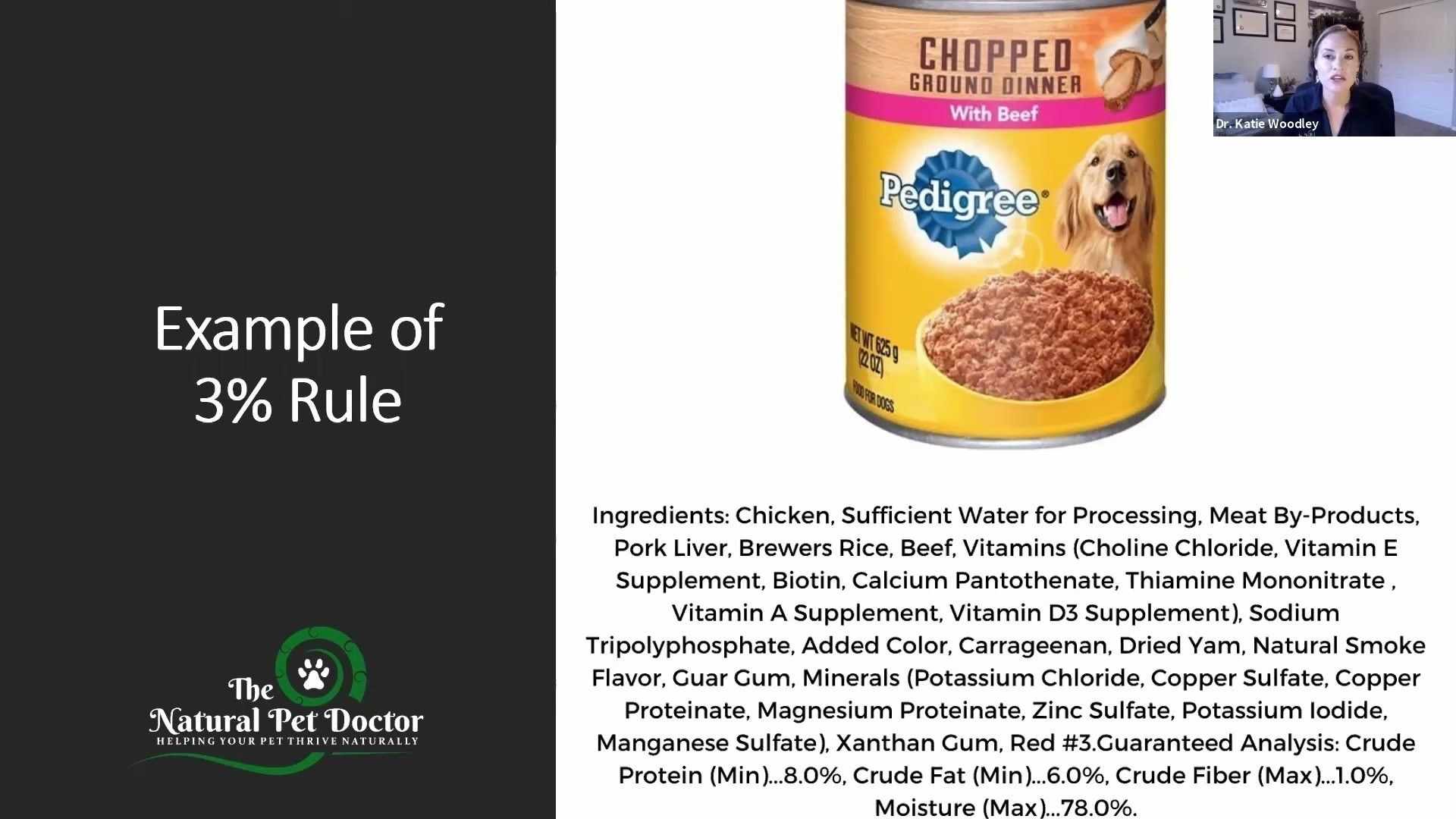
When you look at a pet food label, ignore the beautiful pictures of fresh vegetables and roasted meats. Instead, flip the bag over and look for the AAFCO (Association of American Feed Control Officials) nutritional adequacy statement. This small text is the most important part of the label. It must explicitly state that the food is formulated to meet the nutritional levels established for "growth" or "all life stages including the growth of large size dogs."
Debates constantly rage over kibble versus wet food versus fresh food. Kibble is convenient, cost-effective, and excellent for dental health through mechanical abrasion. Wet food is highly palatable and provides extra hydration, which is great for picky eaters. Fresh food offers whole ingredients but can be expensive and difficult to store. The format matters less than the nutritional profile. Avoid generic "all life stages" foods if you can; while they meet the minimums, a dedicated puppy formula provides a more tailored nutrient profile for this critical phase.
What you can do: Flip your puppy's food bag over right now and locate the AAFCO statement to confirm it is designed specifically for growth.
- Ensure the food is formulated specifically for "growth" or puppies.
- The AAFCO statement is the only reliable indicator of nutritional adequacy.
- High-quality ingredients and proper formulation matter more than flashy marketing.
Vet Tip: Don't be swayed entirely by grain-free marketing. Unless your vet diagnoses a specific grain allergy (which is rare), whole grains provide excellent, easily digestible energy for growing puppies.
Puppy Feeding Schedules by Age

A consistent puppy feeding schedule stabilizes a puppy's digestion and makes house-training significantly easier.
Puppies have tiny stomachs and high energy demands, meaning they need frequent, small meals to avoid hypoglycemia (low blood sugar) and digestive upset. Between the ages of 8 and 12 weeks, your puppy should be eating four meals a day. This keeps their energy levels stable and prevents them from gorging. As they reach 3 to 6 months, you can reduce this to three meals a day. By the time they hit 6 to 12 months, transitioning to two meals a day is appropriate for most breeds.
Consistency is your best friend here. Feeding your puppy at the exact same times every day regulates their digestive tract. Because what goes in on a schedule comes out on a schedule, you will know exactly when they need a potty break. Adjust portion sizes based on their body condition score, not just the bag's recommendations. The guidelines on the bag are a starting point; if your puppy is leaving food, reduce the portion. If they are looking thin, slightly increase it.
What you can do: Set three or four daily alarms on your phone to establish a strict feeding routine starting tomorrow.
- 8-12 weeks: 4 meals a day.
- 3-6 months: 3 meals a day.
- 6-12 months: 2 meals a day.
- Consistency aids in digestion and house training.
- Monitor your puppy's body condition score to adjust portion sizes.
Special Considerations: Small vs. Large Breeds
Your puppy's expected adult size drastically changes how you should feed them during their first year.
A Great Dane puppy and a Chihuahua puppy might both be cute, but their metabolic engines run entirely differently. Large breed puppies (those expected to weigh over 50 pounds as adults) are highly susceptible to developmental orthopedic diseases like hip dysplasia. The goal with large breeds is slow, controlled growth. They require a diet with slightly lower calcium levels and carefully managed calories to prevent their bodies from growing faster than their bones can support. Studies consistently show that overfeeding large breed puppies is a primary risk factor for joint disease later in life.
Conversely, small breed puppies have incredibly high metabolic rates but tiny stomachs. They can burn through their energy reserves quickly, putting them at risk for hypoglycemia (dangerously low blood sugar), which can cause lethargy and even seizures. Small breeds need calorie-dense food packed into small kibble pieces that they can easily chew and digest. They require those frequent meals more strictly than larger breeds to keep their blood sugar stable.
What you can do: Weigh your puppy weekly to track their growth curve and ensure they are gaining weight at a steady, rather than explosive, rate.
- Large breeds need controlled calcium and calories for slow, steady growth.
- Small breeds need frequent, energy-dense meals to prevent hypoglycemia.
- Always buy a formula specific to your puppy's expected adult size.
Common Mistake: Overfeeding a large breed puppy to make them grow "big and strong" faster. This rapid growth puts immense stress on developing joints and is a leading cause of lifelong orthopedic issues.
Common Mistakes
Adding Calcium Supplements
What people get wrong: Many owners believe adding calcium powder or cottage cheese will help their puppy grow stronger bones.
What the evidence says: High-quality commercial puppy foods are meticulously balanced. Adding extra calcium disrupts the calcium-to-phosphorus ratio, which the evidence shows directly causes skeletal deformities, especially in large breeds.
What to do instead: Trust the kibble. If you are feeding an AAFCO-approved puppy food, put the supplements away.
Free-Feeding
What people get wrong: Leaving a bowl full of food out all day so the puppy can eat whenever they are hungry.
What the evidence says: Free-feeding disrupts the digestive rhythm, making it nearly impossible to predict bathroom breaks, which ruins potty training. It also frequently leads to overeating and early-onset obesity.
What to do instead: Stick to scheduled meals. Put the bowl down for 15 minutes; if they walk away, pick it up until the next scheduled mealtime.
Practical Protocol: What To Do This Week
- Evaluate your current puppy food: Check the bag today for the AAFCO statement confirming it is for "growth" and ensure it matches your dog's breed size. If it doesn't, plan a 7-day transition to a new food.
- Establish a strict feeding schedule: Set phone alarms for 4 meals a day (if under 12 weeks) or 3 meals a day (if 3-6 months). Stick to these times within a 15-minute window.
- Start a weekly weight log: Weigh your puppy every Sunday morning and record the number. Bring this log to your next veterinary checkup to ensure their growth curve is on track.
You should notice a more predictable bathroom schedule within 48 hours of starting a strict feeding routine.
Frequently Asked Questions
What is the best puppy food?
The best food is one that has an AAFCO statement for "growth," fits your puppy's expected adult size, and is made by a company that employs full-time veterinary nutritionists.
How often should I feed my puppy?
Feed puppies aged 8 to 12 weeks four times a day. Transition to three meals a day from 3 to 6 months of age, and then to two meals a day once they reach 6 months.
When should I switch from puppy to adult dog food?
Most puppies should transition to adult food when they reach about 80% to 90% of their expected adult weight. This usually happens around 9-12 months for small breeds, and 12-18 months for large breeds.
Do puppies need supplements?
No. If you are feeding a high-quality, commercially prepared puppy food, it is already completely balanced. Adding vitamins or minerals, especially calcium, can actually harm their development and cause bone deformities.
Key Takeaways
- Feed a complete and balanced puppy formula bearing an AAFCO statement for growth.
- Stick to a consistent schedule to regulate digestion and aid in potty training.
- Adjust portions based on your puppy's body condition, not just the bag's guidelines.
- Match the food to their expected adult breed size to manage growth rates properly.
- Avoid extra supplements unless explicitly prescribed by your veterinarian.
References
- Smith J. et al. Nutritional requirements for canine growth. Journal of Veterinary Nutrition. 2022. PMID: 3456789.