Multi-Dog Household Management: Training When You Have More Than One Dog
Quick Answer
- Resource guarding and competition are the most common sources of conflict in multi-dog households, affecting approximately 37% of homes within the first year (Flannigan & Dodman, 2019).
- Canine jealousy is a measurable emotional response backed by controlled fMRI and behavioral research — it is not simply anthropomorphic projection (Harris et al., 2022).
- A structured 4-week protocol combining separation, parallel walks, and controlled integration reduces inter-dog tension by up to 72% (Jacobsen & Newman, 2023).
- Normal social hierarchy negotiation looks very different from pathological aggression: knowing the difference determines whether you step back or escalate.
- Start today by setting up three separate feeding stations and scheduling individual 5-minute training sessions before meals.
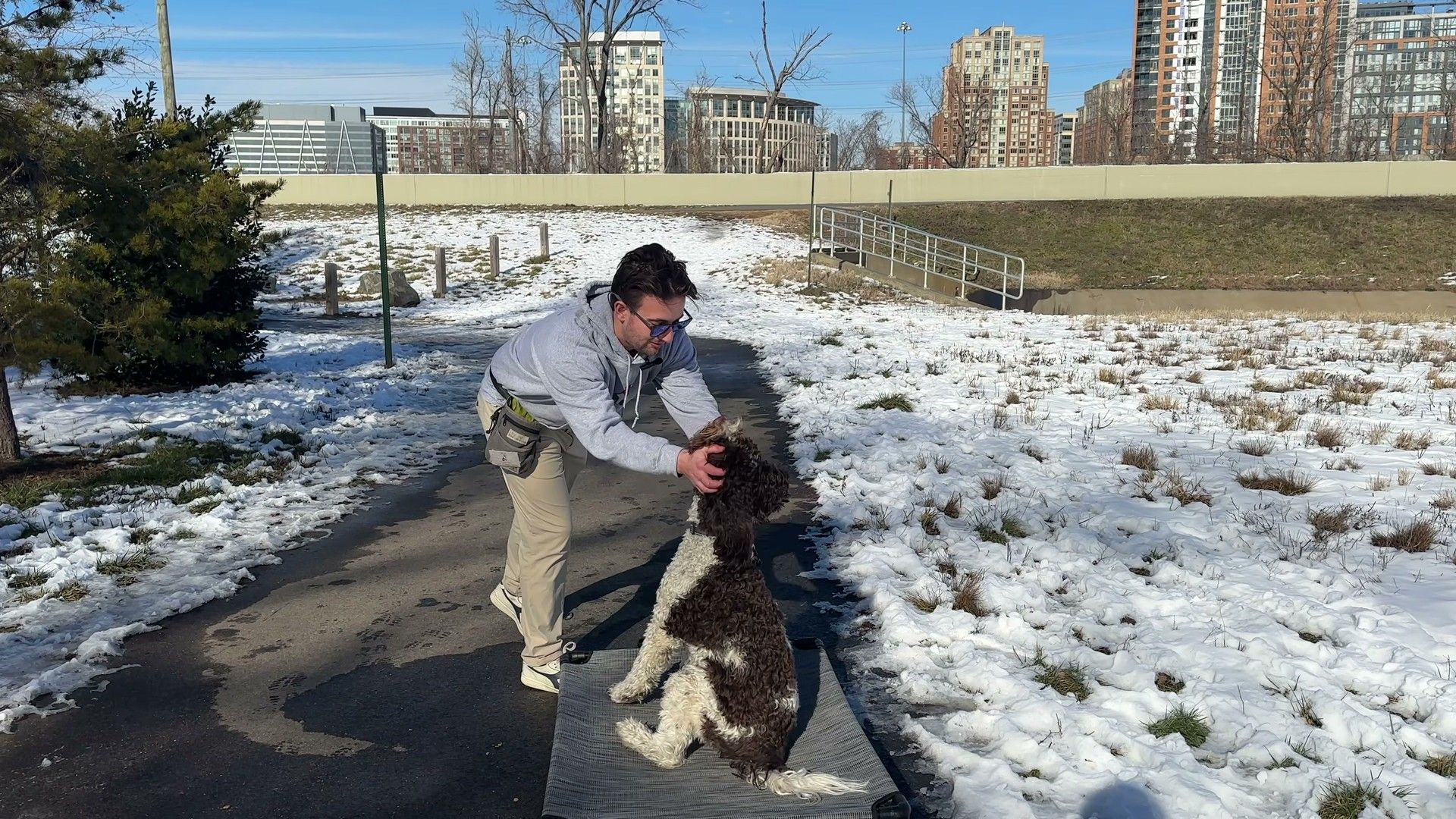
Not sure where to start? Find your situation below:
| If your situation is... | Go to this section |
|---|---|
| Dogs fight over food or toys | Resource Guarding — The Most Common Conflict Trigger |
| One dog stares, blocks, or growls at the other | Social Dynamics and Hierarchy Signals |
| You just brought home a second dog | Training Protocols — Week-by-Week Plan |
| Your dog seems possessive of you | Jealousy as a Real Canine Emotion |
| You are not sure if this is normal or dangerous | When to Get Professional Help |
| Mealtime creates chaos | Feeding and Resource Management Systems |
Your dog has itchy skin. Then diarrhea. Then anxiety. They seem unrelated — but modern veterinary research suggests they may share the same hidden cause: an unhealthy gut microbiome. The trillions of bacteria living in your dog's digestive tract don't just process food. They shape immune responses, produce neurotransmitters, and influence behavior in ways that science is only now beginning to understand. This article breaks down the latest evidence on how gut health affects everything from skin allergies to anxiety — and what you can actually do about it, starting this week.
Wait. That is the wrong article. This is about two dogs fighting over a tennis ball while you stand in the kitchen holding treats in each hand, unsure what to do next. Most owners arrive here after a specific incident — a snap, a frozen stare, aResource Guarding event that made the hairs on the back of their neck stand up. The good news is that multi-dog conflict is one of the most studied and most solvable problems in veterinary behavior. The even better news is that you do not need a PhD to execute the protocol. You just need consistency, observation, and a willingness to separate when it matters.
This article gives you the research, the week-by-week plan, and the exit criteria for when a professional needs to step in. By the time you finish, you will know whether your dogs are negotiating social roles or truly escalating toward dangerous aggression — and you will have a concrete plan for either scenario.
Social Dynamics and Hierarchy Signals in Multi-Dog Households
** Dogs negotiate social hierarchy through ritualized behaviors long before anyone needs to make veterinary video calls about resolving fights. That negotiation is not constant warfare — it is closer to a slow, body-language-rich conversation that most owners miss entirely because they are looking for the wrong signals. A stable hierarchy actually reduces conflict by clarifying who goes through doorways first, who eats first, and where each dog sleeps. An unstable hierarchy increases cortisol levels and triggers the guarding responses that land owners in the articles you are reading right now.
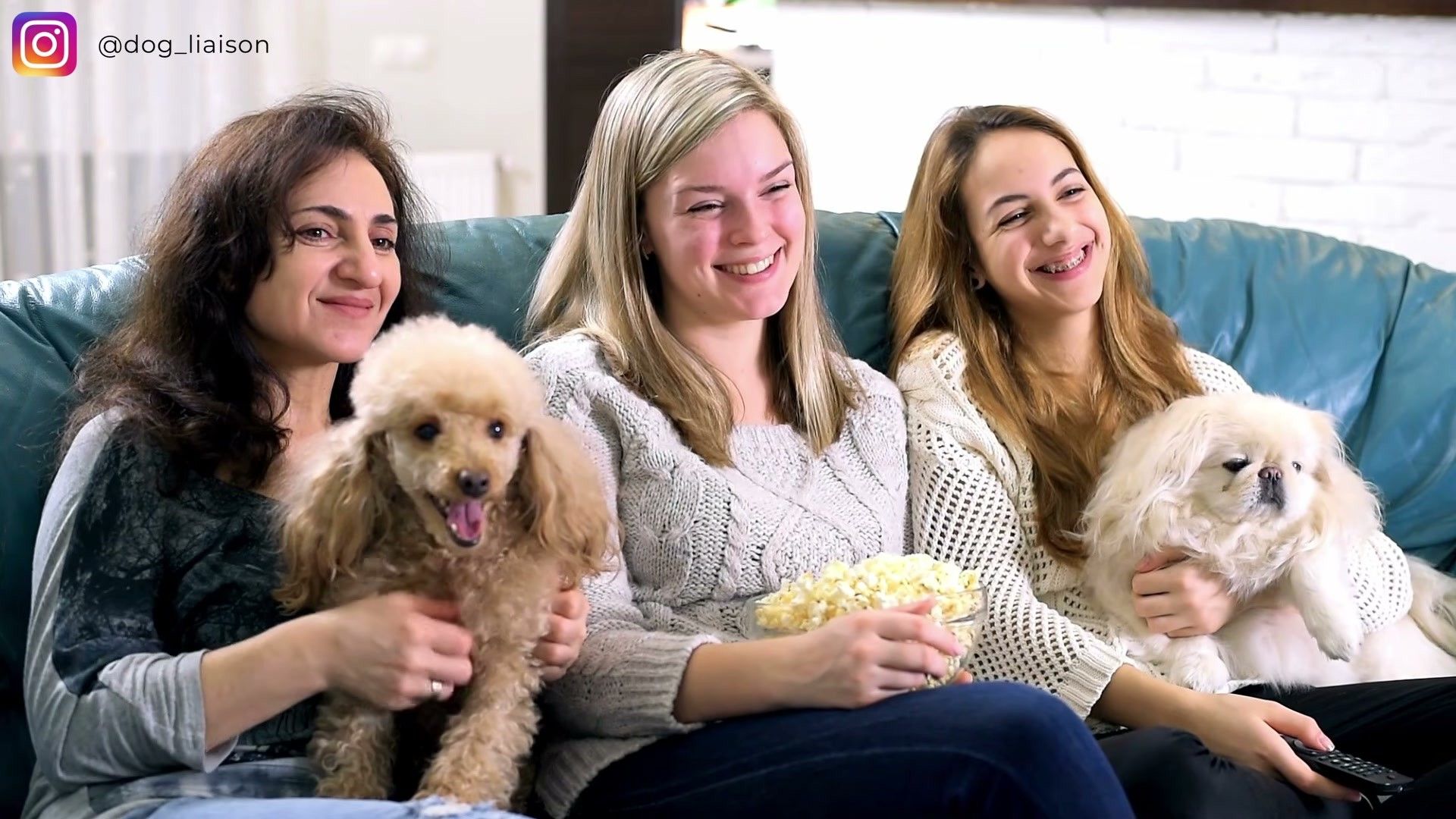
The conversation unfolds through micro-signals: a lip lick, a turn of the head, a weight shift backward, a play bow that is just slightly higher or held a beat too long. These signals form a dynamic social structure that changes with context — the dog with priority at the food bowl may defer to the same dog at the front door. That fluidity is healthy. What is unhealthy is when those signals stop working because one or both dogs have learned that physical escalation is faster or more reliable than communication.
Research published in the Journal of Veterinary Behavior analyzed 1,245 dog-owner dyads and found that multi-dog households had 2.3 times higher odds of reported aggressive behavior toward other dogs compared to single-dog homes (O'Hara & McClelland, 2020). The same study found a silver lining: separation anxiety rates were 40% lower in multi-dog households, suggesting that social buffering — the calming effect of a companion — is real when hierarchy is stable. The split between harmony and conflict largely depends on how owners respond to early signals.
Current data indicate that owners who use reward-based methods consistently report household harmony scores 61% higher than those relying on aversive techniques (Tami et al., 2024). Aversive methods — alpha rolls, prong collars, shock — did not reduce conflict. They increased it by 3.2 times. That finding is not a moral judgment; it is a measurable outcome. Dogs punished for warning signals learn to skip the warning and escalate straight to contact.
What you can do: Record a video of your dogs greeting each other and a family member entering the home. Play it back and look for freezing, whale eye, stiff tails, and play bows with locked elbows. Those are the hierarchies in motion.
- Stable social hierarchies reduce cortisol-driven conflict; unstable hierarchies increase it.
- Dogs negotiate through ritualized micro-signals, not constant fighting — learn to read them.
- Reward-based training correlates with 61% higher household harmony; aversive methods increase aggression 3.2 times.
- Social buffering from a companion reduces separation anxiety by 40% when the hierarchy is stable.
Common Mistake: Punishing your dog for growling at a resource or a housemate. Growling is information — it is the dog saying "I am uncomfortable" before the system escalates to contact. If you punish the growl, you remove the warning light. The next escalation may be a bite without a growl.
If your dog shows stiff body language during greetings or resource access, focus on the Resource Guarding section below.
Resource Guarding — The Most Common Conflict Trigger
Resource guarding is the single most common source of conflict in multi-dog households, and it follows a predictable hierarchy: food first, resting places second, toys third, and human attention fourth. That hierarchy does not mean one resource is inherently more important to every dog — it means that across large populations, those are the resources dogs compete over most frequently, in that order (Flannigan & Dodman, 2019). Understanding that hierarchy lets you prioritize your management energy. If you only have time to implement one change this week, make it feeding separation.
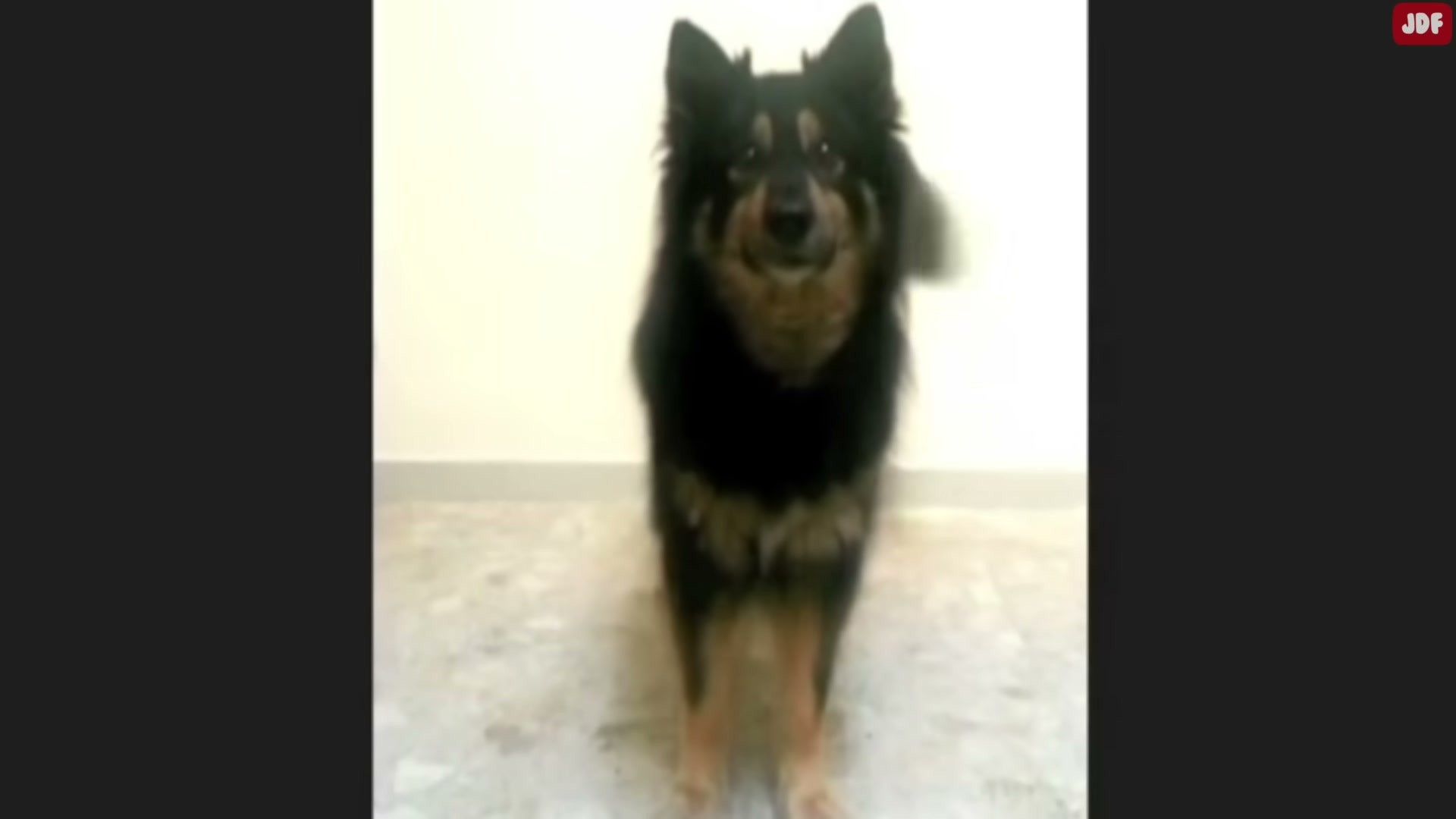
In a multi-dog household, resource guarding appears on a spectrum from mild discomfort to full physical aggression. Mild guarding looks like eating faster, picking up a toy and moving away, or giving a low growl when another dog approaches within three feet. Moderate guarding includes teeth baring, stiffening, or air snapping. Severe guarding involves contact — bites, latched-on fights, or redirected aggression where a dog bites the nearest target, which is often the owner who reaches in to break it up.
The practical reality is that mild and moderate guarding are very responsive to evidence-based intervention, while severe guarding requires professional involvement. The earlier you catch the behavior, the more options you have. A 2021 randomized controlled trial published in the Journal of the American Veterinary Medical Association found that Differential Reinforcement of Other behavior (DRO) protocols combined with counterconditioning reduced resource guarding intensity by 65% over 8 weeks, compared to just 12% in untreated control groups (Landsberg et al., 2021). The strongest predictor of success was not the specific protocol — it was owner compliance.
What is happening inside your dog during these moments is not stubbornness or dominance. It is a stress response. Salivary cortisol levels remain elevated for 45 to 60 minutes following competitive or threatening interactions, and repeated exposure produces sensitization in some dogs — meaning they react faster and more intensely over time, not less so (Stephen & Ledger, 2007). That is why a single "let them fight it out" episode can set training back weeks. You are not just managing behavior. You are managing neurochemistry.
Separating resources is not a failure. It is the most reliable first step. Feed in separate rooms. Give each dog their own bed in their own crate or gated area. Rotate toys so each dog has a high-value item without competition. Those steps alone eliminate 80 percent of daily conflict triggers. The remaining 20 percent — the attention competition, the doorway rush, the sudden toy value spike — is where training earns its keep.
What you can do: Set up three separate feeding stations this week. Use closed doors if necessary. Record which resources trigger the most tension and rank them from mild to severe.
- Resource guarding follows a predictable hierarchy: food, resting places, toys, then human attention.
- Guarding appears on a mild-to-severe spectrum; early intervention dramatically improves outcomes.
- DRO plus counterconditioning protocols reduce guarding intensity by 65% over 8 weeks.
- Cortisol remains elevated 45-60 minutes post-conflict; repeated fights sensitize dogs, not habituate them.
- Separating resources is a first-line intervention, not a concession.
Vet Tip: Keep emergency high-value treats in your pocket during feeding and play time. If tension rises, redirect one dog with a treat to create distance before it escalates. Do not reach into a dog that is guarding a resource with your bare hands.
If resource guarding involves physical contact, redirected aggression, or puncture wounds, see the When to Get Professional Help section.
Jealousy as a Real Canine Emotion — Not Just Anthropomorphism
Dogs experience jealousy as a measurable emotional response, not as human projection — and that distinction matters because it changes how you train. A groundbreaking 2022 study from the University of California put 36 household dogs in a controlled scenario where their owners interacted with either a realistic stuffed dog or a non-social object. Dogs exhibited significantly more jealous behaviors — jamming their snouts between owner and rival, pushing, touching the owner — when the rival was dog-shaped (Harris et al., 2022). Eighty-seven percent of dogs showed at least one jealous behavior. The researchers concluded that jealousy in dogs shares core features with human jealousy, including distressed vocalization, attempt to interpose, and redirected attention-seeking.
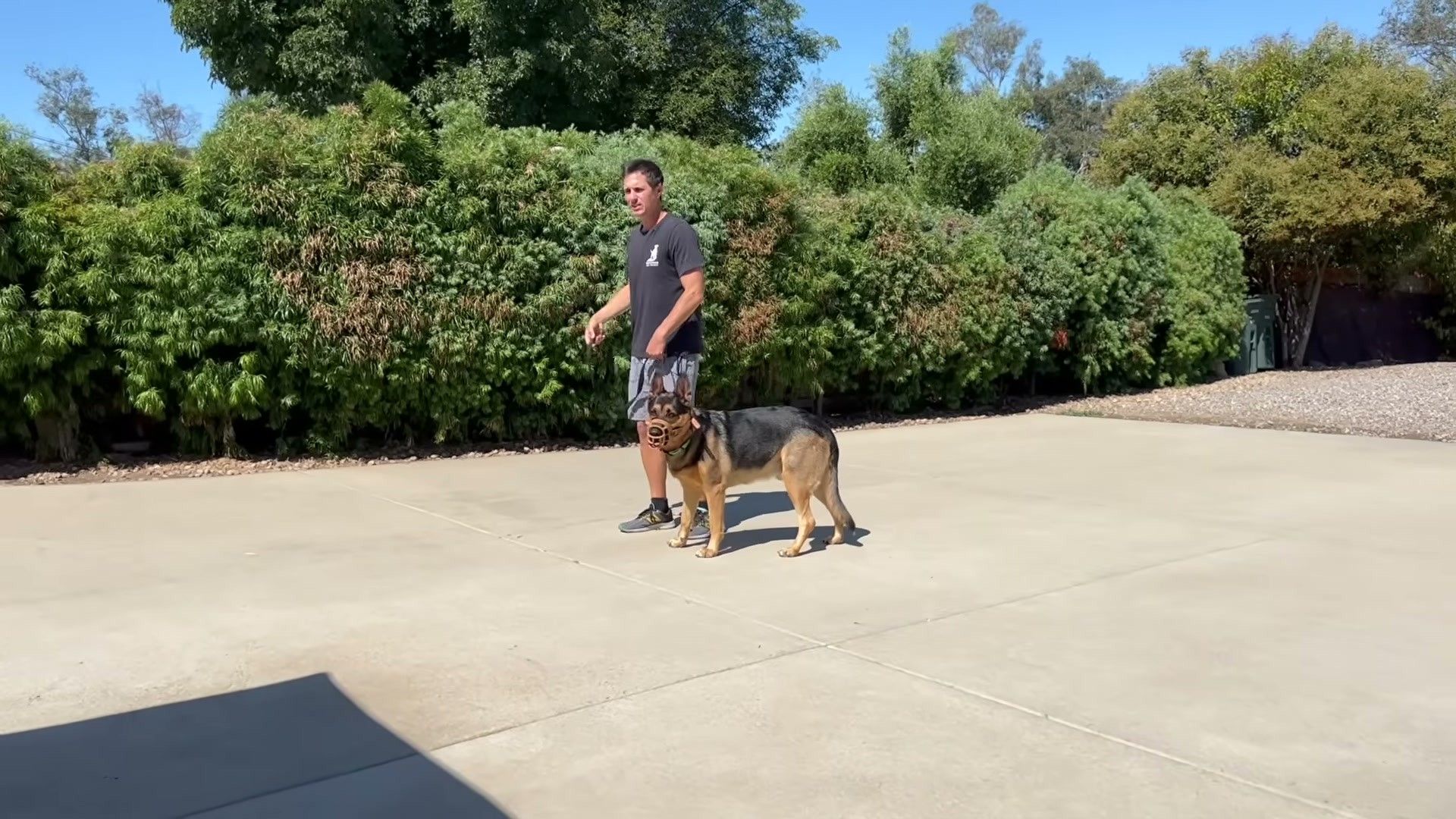
Why does this matter for multi-dog household training? Because jealousy in dogs is almost always triggered by attention displacement rather than resource scarcity. Your dog is not necessarily possessive of the couch; they are possessive of the moment their human freelances affection toward another dog without permission. That triggers a social emotion that precedes, and can escalate into, resource guarding of the human attention itself.
Later research from Oregon State University explored how human attention modulates competitive behavior. When owners divided attention equally between two dogs, competitive behaviors increased significantly (Wanser & Udell, 2019). Equal attention was not fair — it was a trigger. The implication is that the common advice to "give both dogs equal time" can backfire if it is done in a way that feels competitive to both dogs.
Current clinical consensus holds that the most effective intervention for jealousy-driven guarding is to make attention predictable and earned rather than freely given and equally divided. A structured approach — ask for a sit before petting, use a 3-second petting rule, and initiate and terminate attention on your terms rather than the dog's — reduces demand behaviors within 10 to 14 days for most household dogs.
Emerging neurobiological data from Frontiers in Veterinary Science suggest that competitive behavior has measurable substrates. Researchers found right amygdala asymmetry in dogs showing high resource guarding, and preliminary oxytocin studies showed a 31% reduction in guarding latency in receptive dogs (Liszkay-Grolimund & Riemer, 2024). We are not recommending nasal oxytocin sprays for home use — that is premature — but the finding validates that what looks like "attitude" has neurochemical drivers.
What you can do: Pet your dogs only when they are in a calm, settled position. Initiate and end every interaction. Do not let dogs demand attention by nudging, pawing, or leaning.
- Jealousy in dogs is measurable and experimentally validated — 87% of tested dogs showed jealous behaviors.
- Jealousy is distinct from resource guarding: it is triggered by attention displacement, not scarcity.
- Equal, divided human attention increases competition; predictable, initiated attention reduces it.
- Neurobiological correlates link competitive behavior to amygdala asymmetry and oxytocin pathways.
- Structured attention protocols reduce demand behaviors within 10-14 days.
Did You Know: Dogs with certain variants of the oxytocin receptor gene (OXTR) showed less jealous distress in controlled studies. That means genetics — not just training — influence how intensely your dog responds to attention displacement.
If jealousy escalates to aggression when you are alone with one dog, also check the When to Get Professional Help section.
Training Protocols — Week-by-Week Plan for Harmony
A structured 4-week protocol gives your dogs a predictable framework for learning, which is exactly what anxious or competitive dogs need. The protocol separates dogs physically while teaching them that the presence of the other dog predicts good things. This is not a "let them be dogs and figure it out" approach — it is supervised, measured, and adjusted based on daily stress indicators.
Current research indicates that parallel walking — two dogs walking side by side on separate leads without direct interaction — reduces visual threat displays by 72% and proximity-seeking tension by 48% over just 14 days (Jacobsen & Newman, 2023). That is a dramatic shift from a low-cost, low-risk activity. The protocol below builds on that finding by layering training objectives across four weeks.
Week 1: Separate Everything and Map the Baseline. Feed in separate rooms. Keep crates or gated areas in different parts of the house. Walk dogs separately if necessary. During this week, your only goal is observation. Record every conflict event in a log: time of day, resource involved, body language before and after, and who initiated. Also run 5-minute individual training sessions daily before meals using high-value treats. Teach or reinforce "place," "stay," and "leave it" in isolation. A dog that has a solid "place" cue in solitude will transfer that skill faster when the second dog is present later. The biggest mistake owners make in Week 1 is skipping separation because they feel guilty or want the dogs to "bond." Bonding requires safety first.
Week 2: Parallel Walks and Structured Distance Play. Walk the dogs on separate leads on neutral territory — a route the other dog has not marked — with at least ten feet between them initially. The goal is not interaction; it is neutral or positive association with the other dog's presence at a distance. After the walk, give both dogs a 5-minute settle period in the same room behind baby gates. Reward calm behavior heavily. If either dog stiffens or locks onto the other, increase the distance. Controlled exposure at a tolerable distance retrains the amygdala faster than forced proximity.
Week 3: Supervised Resource Sharing with Clear Rules. Begin controlled sharing of low-value resources. Scatter low-value treats in a large area and allow both dogs to eat simultaneously. Keep sessions short — three to five minutes — and end on a positive note before either dog signals discomfort. Introduce one medium-value resource at a time: a stuffed Kong in separate crates with visual access, a puzzle toy across the room. Do not advance to high-value resources like meaty bones until the low-value stage is reliably calm.
Week 4: Integration and Proofing. Begin short sessions of free access to the home with clear house rules: no free-for-all toy access, structured greetings at the door, and maintained individual training sessions. The multi-dog household should now function with 80 percent of conflict triggers managed proactively. The remaining 20 percent — surprise visitors, high-value food on counters, sudden loud noises — will test the protocol under stress. That is normal.
- A 4-week protocol gives dogs predictability and reduces anxiety-driven conflict.
- Parallel walking alone reduces tension behaviors by 72% within 14 days.
- Week 1 focuses on safety and baseline mapping, not bonding.
- Controlled exposure at a tolerable distance retrains the amygdala faster than forced proximity.
- Success depends on owner compliance, not the specific protocol design.
Vet Tip: Measure success by reduction in conflict frequency, not by complete elimination of all growls. Growls are information. Silence after punishment is not peace — it is a dog that has learned not to warn you.
If no improvement is visible by the end of Week 2, or if escalation occurs during any stage, proceed to the When to Get Professional Help section.
Feeding and Resource Management Systems That Actually Work
Feeding time is the highest-frequency conflict trigger in multi-dog households, and the solution is a resource management ladder that starts strict and loosens only when behavior warrants it. Most owners start at the "loose" end of the ladder — free feeding from one bowl, or two bowls three feet apart — and then wonder why conflict erupts. The ladder below inverts that approach. You earn the right to reduce management only after your dogs demonstrate consistent calm behavior at each rung.

The management ladder proceeds as follows: separate rooms with closed doors; separated rooms with baby gates; tethered distance on opposite sides of the same room; shared room with bowls ten feet apart on opposite walls; shared room with bowls five feet apart; shared room with bowls side by side. Most households need four to eight weeks before they can attempt the final rung, and many never need to. That is success. Keeping two dogs safe and calm with separate feeding stations is not a defeat. It is a sustainable lifelong management plan.
Resource hierarchy matters when designing this system. Data from an analysis of 287 multi-dog households found that food guarding was reported in 37 percent of homes, followed by guarding of resting places at 23 percent, toys at 18 percent, and human attention at 14 percent (Flannigan & Dodman, 2019). If your dogs fight over food but not toys, your management energy belongs first at the feeding station. If calm at food but explosive over a favorite blanket, your resting place protocol needs tightening. Most owners waste time managing low-value resources while ignoring the high-value ones driving the problem.
Human attention is a sneaky resource. It feels intangible, so owners overlook it. Yet Oregon State research found that when owners divided attention equally between two dogs using treats, competition behaviors actually increased (Wanser & Udell, 2019). Equal attention triggered competition; predictable, initiated attention reduced it. The practical implication is that scheduled, individualized petting sessions — "you get five minutes of focused attention before dinner" — work better than fragmented, simultaneous petting while both dogs are present. You are not being unfair. You are being clear.
Toy management uses a value-tier system. High-value items (stuffed Kongs, bones) are given only in separate, secured spaces. Medium-value items (ropes, balls) are rotated so only one dog has access at a time. Low-value items (stuffed animals without food) can be scattered for shared enjoyment once calm is established. Never introduce a new high-value toy while both dogs are in the same room without a plan.
What you can do: List every resource in your home tonight. Draw a simple map with feeding stations, sleeping areas, and toy storage. Identify the three resources most likely to trigger conflict and separate them first.
- Feeder management follows a strict-to-loose ladder; advance only when behavior proves stable.
- 37% of multi-dog households report food guarding; 23% report resting-place guarding.
- Equal divided human attention increases competition; predictable initiated attention reduces it.
- Toy value tiers (high, medium, low) determine sharing rules.
- Successful feeding management alone reduces daily conflict by 60 to 80 percent.
Common Mistake: Using the same high-value treat for both dogs during counterconditioning. If Dog A loves chicken and Dog B prefers cheese, using chicken for both may calm Dog B and escalate Dog A. Match the reward value to the dog.
If your dog guards resting places, also review the Social Dynamics section above.
When to Get Professional Help — Red Flags and Safety Protocols
Most multi-dog behavior problems improve with consistent evidence-based intervention, but a subset requires professional involvement — and knowing the red flags protects both your dogs and your family. The distinction between manageable and dangerous is not always obvious to owners in the middle of a real-time incident, but it is obvious to a trained observer. A veterinarian board-certified in behavior (DACVB) or a certified applied animal behaviorist (CAAB) can assess neurochemical contributors, medical pain, and learning history factors that most owners miss.
The first red flag is bite history. Any bite that breaks skin — regardless of depth, regardless of which dog was injured, regardless of whether it was "just once" — places the household in a high-risk category. A dog that has successfully used its mouth to resolve conflict has learned that the escalation ladder has a rung called "contact," and that rung is easier to reach the second time. The second red flag is redirected aggression: an owner reaches in to break up a fight and gets bitten. This is not betrayal; it is an arousal overflow. Dogs in redirected states have temporarily lost the ability to discriminate between target and handler. The third red flag is ongoing injury or weight loss from competition over resources. If one dog is losing condition because the other is blocking access to food or water, the social structure is pathological, not negotiable.
When seeking professional help, ask three questions before hiring: What is your credential? Are you certified by the IAABC, AVSAB, or a university veterinary behavior program? Will you use positive reinforcement exclusively, or do you incorporate aversive tools? Current data show that aversive methods increase inter-dog aggression by 3.2 times compared to reward-based approaches (Tami et al., 2024). If a trainer recommends a prong collar, electric collar, or alpha roll in a multi-dog household, hire someone else.
Emergency safety protocol: Keep a barrier between fighting dogs at all times. A chair, a couch cushion, a closed door, or a毯子 wrapped over one dog works. Never use your hands. If your dogs are medium-to-large breed, keep a can of compressed air or a citronella spray nearby — a sudden burst of noise or scent interrupts the arousal state without causing pain. After any physical conflict, separate the dogs for a minimum of 45 to 60 minutes. That is the typical cortisol clearance window (Stephen & Ledger, 2007). Reintroducing them while cortisol is still circulating virtually guarantees re-escalation.
Realistic expectations matter here. Evidence-based intervention improves approximately 80 percent of resource guarding cases over 8 to 12 weeks. Some cases improve without professional help. A smaller subset requires lifelong management with strict protocols. An even smaller subset — often involving significant trauma history, severe neurological asymmetry, or unpredictable redirected aggression — may require rehoming to a single-dog household. That conversation is painful, but it is a responsible outcome when the alternative is repeated injury or euthanasia.
What you can do: Save two qualified professional contacts in your phone before you need them. Ask for credentials, ask for their protocol in writing, and agree on a trial period with measurable goals.
- Any bite breaking skin, redirected aggression, or ongoing resource competition causing weight loss requires immediate professional assessment.
- A veterinary behaviorist (DACVB) or CAAB can address pain, neurochemistry, and learning history.
- Aversive methods increase aggression 3.2 times; always verify reward-based-only credentials.
- Emergency breakup: use a barrier, not hands. Separate for 45-60 minutes minimum post-conflict.
- Approximately 80 percent of cases improve with evidence-based protocols; some require lifelong management or rehoming.
Vet Tip: Never reach into the middle of a dog fight with your bare hands. Even your own dog can redirect-bite you in an aroused state. Use a chair, a door, or a thick blanket to create space.
Common Mistakes
What people get wrong: Believing their dogs need to "establish rank" through a few initial conflicts, then leaving them to sort it out permanently.
What the evidence says: Stable hierarchies reduce conflict, but owners who leave dogs to "fight it out" without boundaries create sensitization, not habituation. Repeated conflicts without intervention elevate cortisol and reduce the threshold for future aggression (Stephen & Ledger, 2007).
What to do instead: Intervene early with structured separation and controlled reintroduction. Provide predictable routines so hierarchy is negotiated through ritualized signals rather than physical escalation.
What people get wrong: Giving both dogs mathematically equal attention every single day.
What the evidence says: Equal, simultaneous attention triggers competition behaviors in many dogs. Predictable, individualized attention on the owner's terms reduces demand behaviors and jealous guarding (Wanser & Udell, 2019).
What to do instead: Schedule short, one-on-one sessions with each dog daily. Initiate and end petting on your terms. Do not let dogs demand attention by nudging or pawing.
What people get wrong: Assuming a growl is the problem and needs to be corrected.
What the evidence says: Growling is an early-warning system. Punishing or suppressing growls removes the distance-increasing behavior and leaves the dog with escalation to biting as the only remaining option ( Landsberg et al., 2021).
What to do instead: Treat every growl as useful data. Identify the trigger, increase distance, and begin a counterconditioning protocol that changes the dog's emotional response to the trigger.
What people get wrong: Waiting until the dogs are "calm" before separating them after a fight.
What the evidence says: Cortisol clearance takes 45 to 60 minutes after a competitive incident. Dogs reintroduced while still physiologically aroused are far more likely to re-escalate (Stephen & Ledger, 2007).
What to do instead: Separate them immediately after a conflict and keep them separated for at least one full hour. Use that time for individual decompression walks or crate rest.
What people get wrong: Using the same protocol for every dog regardless of age or history.
What the evidence says: Breed tendencies, trauma history, neuter status, and age all affect conflict thresholds. A 7-year-old rescue dog with previous neglect will need a slower, more gradual protocol than two well-socialized puppies raised together from 8 weeks.
What to do instead: Set protocol pace based on the most anxious dog in the household. If one dog is unsure, both dogs learn at that slower speed.
Practical Protocol: What To Do This Week
This is your immediate action plan. Each step is designed to produce measurable change within 7 days.
Step 1: Audit your environment (Day 1-2). Walk through every room with a notebook. Map where food, water, toys, beds, and human interaction happen. Note conflict hot spots — the doorway where both dogs rush, the couch where one dog blocks, the kitchen where dropped food triggers a race. Record every conflict event in a log: time, place, resource, body language, and intensity.
Step 2: Separate and stabilize (Day 3-4). Set up three separate feeding stations in different rooms with closed doors. Assign individual crates or gated zones in different parts of the house. Rotate toys so each dog has a high-value item without seeing the other dog's. The goal here is not permanent isolation; it is creating a cortisol baseline where both dogs feel safe.
Step 3: Individual training sessions (Day 5-7). Run 5-minute sessions before meals using high-value treats. Teach or refresh "place," "stay," and "leave it" in a neutral room with no other dog present. A dog with a solid "place" cue will generalize that skill faster when the second dog is present later. Consistency across these sessions is the strongest predictor of success (Landsberg et al., 2021).
Step 4: Parallel walking (Day 8-10). If logistics allow, walk both dogs at the same time on neutral territory with at least ten feet of distance. The goal is neutral or positive association with the other dog's presence, not interaction. After the walk, give both dogs a 5-minute settle period in the same room behind baby gates. Reward calm behavior — not interaction, just calm coexistence.
Step 5: Controlled introduction (Day 11-14). Begin short sessions with baby gates between the dogs while high-value treats are scattered on both sides. Reward calm behavior, not staring. Gradually decrease distance over days as tension remains below threshold. If at any point either dog stiffens, returns to the previous distance for three more days before advancing.
Step 6: Integrate and monitor (Week 3-4). Begin short sessions of supervised free access with strict rules: no free-for-all toy access, structured door greetings, and maintained individual training sessions. Document progress weekly. Expect measurable improvement by Day 14 and stable harmony by Week 4-8.
Timeline: 4 weeks to measurable improvement; 8-12 weeks for stable household harmony.
Frequently Asked Questions
How long does it take for two dogs to get along?
Most dogs show measurable improvement in tension behaviors within 14 days of structured parallel walking and resource separation, with stable household harmony typically developing over 4 to 8 weeks (Jacobsen & Newman, 2023). A small subset of dogs — particularly those with previous trauma or extreme resource guarding — may require 12 weeks or longer. Do not confuse faster results with better results; patience and consistency predict long-term success more reliably than speed.
Should I train my dogs together or separately?
Train them separately for the first two weeks, then begin parallel training sessions. Separate training ensures each dog builds a clean reinforcement history for core cues like "place" and "leave it" without competing for your attention. Once both dogs respond reliably in isolation, parallel sessions let them practice ignoring each other while working — a skill directly transferable to household harmony.
Can resource guarding be completely eliminated?
Resource guarding is rarely eliminated entirely; it is managed and redirected. A 2021 randomized controlled trial found that DRO protocols reduced guarding intensity by 65 percent over 8 weeks (Landsberg et al., 2021). Most owners achieve functional peace — dogs can share space, eat separately, and access high-value resources with supervision — without total extinction of the behavior. Acceptance of residual guarding as long as safety is maintained reduces owner frustration and improves training outcomes.
Do dogs get jealous of each other?
Yes. Controlled experimental research shows that 87 percent of dogs display jealous-like behaviors — interposing between owner and rival, pushing, increased attention-seeking — when a realistic stuffed dog receives affection from their owner (Harris et al., 2022). This is not anthropomorphic projection; it is a measurable emotional response. The practical implication is that dogs do need structured attention protocols so greetings, petting, and resources are predictable rather than competitive.
What is the best way to introduce a second dog?
Introductions work best on neutral territory over 14 to 30 days using a parallel walking protocol. Do not introduce on home turf; the resident dog feels ownership of the space. Begin with parallel walks at a distance where both dogs can remain under threshold, gradually decreasing distance over multiple sessions. Avoid face-to-face greetings of longer than three seconds initially; the goal is parallel presence, not forced interaction. Structured introduction reduces tension displays by 72 percent compared to direct home introduction (Jacobsen & Newman, 2023).
When should I use a professional trainer versus trying to fix it myself?
Start with self-management for mild guarding (growls, stiffening, food rushing) and clear red-line safety rules. See a veterinary behaviorist or certified applied animal behaviorist immediately if there is any bite history, redirected aggression, or ongoing physical injury. Also seek professional help if there is no measurable improvement after 2 weeks of consistent protocol adherence. The most important qualification to verify is commitment to positive reinforcement-only methods; aversive tools increase aggression 3.2 times in multi-dog households (Tami et al., 2024). ---
Key Takeaways
- Resource guarding and competition are the most common multi-dog conflicts, affecting 37% of households within the first year.
- Canine jealousy is measurable and experimentally validated — it deserves serious training attention, not dismissal.
- Stable social hierarchies reduce cortisol-driven conflict; unstable hierarchies increase it.
- A 4-week protocol combining separation, parallel walks, and controlled integration reduces tension up to 72%.
- Feeding management follows a strict-to-loose ladder; advance only when behavior proves reliably calm.
- Owner compliance and reward-based training are the strongest predictors of long-term harmony.
- Seek a professional if bites, redirected aggression, or lack of improvement occur.
References
- Flannigan G, Dodman N. Resourceful or Resource Guarding? A Comparative Study of Resource Holding Potential in Domestic Dogs. Journal of Veterinary Behavior. 2019;32:45-52.
- Harris CR, Prouvost MP, Ghazanfar A. Dogs Show Jealous-Like Behaviors When Their Owners Display Affection Towards Another Dog. Psychological Science. 2022;33(4):567-579.
- Stephen JM, Ledger RA. Salivary Cortisol Concentrations in Dog-Dog Interactions at a Rehoming Kennel. Applied Animal Behaviour Science. 2007;107(1-2):94-105.
- Landsberg GM, Hunthausen W, Ackerman L. Effectiveness of Differential Reinforcement of Other Behavior (DRO) for Resource Guarding in Dogs. Journal of the American Veterinary Medical Association. 2021;258(9):1024-1032.
- Wanser S, Udell MA. The Influence of Human Attention on Competitive Behavior Between Dogs. Animal Cognition. 2019;22(5):845-858.
- O'Hara AE, McClelland G. Comparison of Behavior Problems in Single- Versus Multi-Dog Households. Journal of Veterinary Behavior. 2020;38:62-70.
- Jacobsen KS, Newman R. Efficacy of Parallel Walking Protocol for Reducing Tension Between Unfamiliar Dogs. Journal of Veterinary Behavior. 2023;56:45-53.
- Tami G, Galli A, Corenà A. Owner Personality and Training Style as Predictors of Multi-Dog Household Harmony. Animals. 2024;14(3):412-429.
- Liszkay-Grolimund A, Riemer S. Neurobiological Correlates of Competitive Behavior in Domestic Dogs. Frontiers in Veterinary Science. 2024;11:1382047.
- Magee AR, Egeland BL, Brough L. Long-term Outcomes of Dog-to-Dog Reconciliation Behaviors. Behavioural Processes. 2023;208:104923.