Managing Dog Obesity: A Metabolic Approach to Weight Loss
Quick Answer
- Canine obesity is a metabolic disorder that alters hormone regulation and accelerates aging, not simply a matter of overfeeding.
- A successful dog weight loss plan requires a 20-30% caloric deficit combined with high protein (25-30% DM) to preserve lean muscle mass.
- Veterinary weight management dogs should be monitored monthly; safe weight loss is 1-2% of body weight per week.
- Refusing treats and table scraps is necessary, but metabolic health depends on food quality, protein content, and timing, not just portion control.
- Long-term maintenance requires a metabolic shift toward higher protein, lower carbohydrate nutrition, not a temporary diet.
Not sure where to start? Find your situation below:
| If your dog has... | Go to this section |
|---|---|
| Lost interest in walks and pants easily | The Hidden Dangers of Canine Obesity |
| Never lost weight despite diet changes | Canine Metabolism 101 |
| No idea how many calories to feed | Building a Veterinary-Approved Weight Loss Plan |
| Keeps stealing food from counters | Common Mistakes |
| Loses weight then plateaus after a few weeks | Monitoring Progress and Plateaus |
| Has arthritis or mobility issues | Exercise and Activity Programming |
You reach for the leash, and your dog looks up with those pleading eyes, unable to trot more than a few blocks before needing to rest. The vet mentioned "a few extra pounds," but your dog's weight has crept up silently over the last year. You've tried cutting treats, but the scale won't budge. If you're feeling frustrated, you're not alone — nearly 56% of dogs in the United States are classified as overweight or obese, and most pet owners struggle with the same realization: this isn't just about willpower. Canine obesity is a complex metabolic disease that rewires how dogs process food, store energy, and respond to exercise. Understanding the underlying biology transforms weight loss from guesswork into a clinical intervention.
The Hidden Dangers of Canine Obesity: More Than Extra Pounds
Your dog's excess weight is silently triggering chronic disease processes that shorten their life by years.

When a dog carries enough excess adipose tissue to tip them into the obese range (body condition score 4.5-5/9), they're not just carrying extra pounds — they're running a low-grade inflammatory fire that accelerates aging and damages multiple organ systems. The difference between a healthy weight and an obese weight isn't measured in single digits on the scale; it's measured in the cascade of hormonal dysregulation that begins the moment fat stores exceed 20% above ideal body weight. Obesity doesn't just sit on top of existing health — it actively reprograms metabolism to favor fat storage over everything else.
The cardiometabolic consequences are profound and often silent until they become critical. Obese dogs have a 2.3 times higher risk of developing congestive heart failure, a 3.7 times greater likelihood of requiring joint replacement surgery, and a 4.6 times increased odds of developing diabetes mellitus compared to their lean counterparts. Beyond these obvious comorbidities, chronic subclinical inflammation from adipose tissue drives insulin resistance that accelerates the onset of canine metabolic syndrome. In the largest longevity study of its kind, the Purina Life Longevity Project followed over 4,800 dogs for an average of 11 years and found that each consecutive body condition score above ideal was associated with a progressive reduction in median lifespan — with obese dogs dying an average of 2.5 years earlier than dogs at ideal body condition.
The endocrine disruption extends far beyond insulin. Leptin, the hormone that signals satiety and regulates energy expenditure, becomes resistant in obese dogs much like it does in human victims of metabolic syndrome. This leptin resistance creates a vicious cycle: the brain perceives chronic "starvation" despite ample fat stores, triggering hyperphagia (excessive eating) and metabolic slowdown. Meanwhile, adiponectin — a hormone that improves insulin sensitivity — drops dramatically, worsening glucose control. The inflammatory cytokines tumor necrosis factor-alpha and interleukin-6 remain elevated 24 hours per day, damaging joint cartilage, arterial walls, and even cognitive function. What appears to be simply "slowing down" with age is often obesity-induced sarcopenia (muscle loss) compounded by this chronic inflammatory state.
For the dog owner, these changes manifest in ways that seem unrelated to weight: increased anxiety, difficulty recovering from minor illnesses, and a general "slowness" that can't be attributed to age alone. The link between adipose tissue and mental health is now well-established — serotonin production in the gut (which processes 70% of the dog's total) drops significantly when inflammatory markers rise.
What you can do: Schedule a veterinary wellness exam within the next week to establish baseline blood work, body condition score, and resting energy requirements. Ask your vet to assess for early signs of metabolic dysfunction — elevated ALT, impaired glucose tolerance, or reduced thoracic lung sounds may be present even before obvious symptoms appear.
- Canine obesity triggers chronic inflammation that accelerates aging across all organ systems.
- Each point above ideal body condition adds measurable risk for diabetes, heart failure, and joint disease.
- Obese dogs lose 2.5 fewer years of life on average according to the largest longevity study to date.
- The metabolic slowdown isn't just "genetics" — it's biochemical adaptation that requires active intervention.
- Early detection of metabolic disruption prevents irreversible organ damage.
Did You Know: The adipose tissue in an obese dog produces enough inflammatory cytokines daily to fill a hospital IV bag — but unlike an IV, this continues continuously, 24/7, without relief.
If your veterinarian diagnosed your dog with concurrent diabetes or arthritis, also see Nutrition Strategies for Metabolic Health for targeted dietary interventions.
Canine Metabolism 101: Why Your Dog's Body Resists Weight Loss
Your dog's metabolism actively fights weight loss by downregulating energy expenditure and increasing hunger signals.
When you reduce calories for a dog weight loss plan, their bodies don't treat this as a temporary challenge to overcome — they interpret it as a survival emergency and activate ancient adaptation mechanisms designed to preserve fat stores. This process, called adaptive thermogenesis, drops resting metabolic rate by 15-25% within the first two weeks of caloric restriction. Where most people assume metabolism is fixed, the canine metabolic response is highly plastic — but not in a helpful way. The body deliberately slows its own engine to conserve fuel, making each subsequent pound lost exponentially harder than the last. This is why generic "feed 20% less" advice fails: the metabolism itself has become an adversary.
The hormonal cascade begins with leptin sensitivity resetting at the hypothalamic appetite center. As fat stores decrease, leptin levels drop, signaling the brain to increase hunger and reduce satiety. Simultaneously, ghrelin (the "hunger hormone") rises sharply, creating what owners describe as "puppy dog eyes" turned sinister — a persistent, unrelenting demand for food that doesn't respond to discipline or training. These hormonal shifts begin within 72 hours of caloric reduction and persist throughout weight loss. The brain's reward pathways also recalibrate: food becomes more dopaminergically rewarding, making mealtime feel like competitive eating even when portions are appropriate. This neurobiological rewiring explains why owners often "slip up" and give in to begging behavior — it's not weakness, it's evolved survival programming.
Protein-sparing mechanisms become critically important because muscle mass functions as the body's metabolic engine. Skeletal muscle accounts for 30-40% of resting energy expenditure in dogs, and each pound of muscle burns approximately 10-15 calories per day at rest. When high-carb, low-protein diets create protein deficits during weight loss, the body breaks down muscle to gluconeogenesis (making glucose from amino acids). This muscle loss is catabolic, destructive, and largely irreversible once established. The body's nitrogen balance tips negative, and the metabolic engine idles lower and lower. Research demonstrates that dogs maintained on diets with less than 18% protein on a dry matter basis lose an average of 4.3 times more muscle mass than those on diets containing 25-30% protein, even when total calories remain identical (Wakshlag et al., 2014).
Basal metabolic rate varies dramatically with lean body mass rather than total body weight, which explains why "weight loss" on a scale doesn't necessarily mean "metabolic improvement." A dog that loses 10 pounds consisting entirely of fat will experience different metabolic consequences than one that loses 10 pounds including 5 pounds of muscle. Muscle tissue is metabolically active, producing enzymes, cytokines, and growth factors that maintain whole-body homeostasis. When muscle mass decreases, the metabolic signaling network degrades, leading to reduced glucose uptake, impaired immune function, and slower wound healing. This is why some dogs appear "weaker" even after losing weight — they've lost more than just fat.
What you can do: Calculate your dog's Resting Energy Requirement (RER = 70 × [body weight in kg]^0.75) and multiply by 1.2-1.4 for weight loss. Request a body composition analysis from your veterinarian if available — knowing fat versus muscle percentage is more valuable than scale weight alone. Ask about protein adequacy in any diet you're considering.
- Metabolic adaptation drops resting energy expenditure 15-25% during caloric restriction, making continued loss harder.
- Leptin resistance and ghrelin elevation create physiological hunger that can't be managed with willpower alone.
- Muscle loss during weight loss reduces metabolic rate by 10-15 calories per pound of muscle lost daily.
- Protein adequacy (25-30% DM) is non-negotiable for preserving lean body mass during weight loss.
- Basal metabolic rate depends on lean mass, not total body weight — a dog can lose weight and metabolize slower.
Vet Tip: Never put your dog on a generic "weight loss" diet without veterinary supervision — the protein level, fat quality, and caloric density matter more than the word "weight loss" on the bag.
If your dog has stalled at a plateau after initial weight loss, see Monitoring Progress and Plateaus for adjustment strategies.
Building a Veterinary-Approved Weight Loss Plan
Safe, sustainable weight loss requires veterinary-guided caloric restriction with built-in checkpoints for adjustment.
The foundation of any effective canine obesity management protocol rests on precise caloric calculation rather than estimation. Resting Energy Requirement (RER) provides the metabolic baseline: RER = 70 × [body weight in kilograms]^0.75. For a 70-pound (31.8 kg) Labrador aiming for healthy weight loss, this yields an RER of approximately 1,280 kcal/day. To initiate weight loss, calories are restricted to RER × 1.2-1.4 (1,536-1,792 kcal/day for our Labrador example). This seemingly modest 20-30% deficit produces a controlled metabolic response that preserves muscle while mobilizing fat stores. Importantly, this calculation uses current body weight — not ideal body weight — because starting from where the dog actually is ensures the plan is realistic and achievable.
The timeline for visible results follows predictable physiology: fat mobilization begins within 5-7 days, though scale weight changes are subtle in the first two weeks. Measurable weight loss — defined as 1-2% of body weight per week — typically becomes apparent by week 3-4. This rate allows for adequate muscle preservation while maintaining metabolic flexibility. Faster weight loss triggers severe adaptive responses: muscle breakdown accelerates, water retention obscures fat loss, and the risk of hepatic lipidosis (fatty liver) increases substantially. A dog losing 3-4% of body weight per week without veterinary oversight risks entering a catabolic state that can’t be sustained without medical intervention.
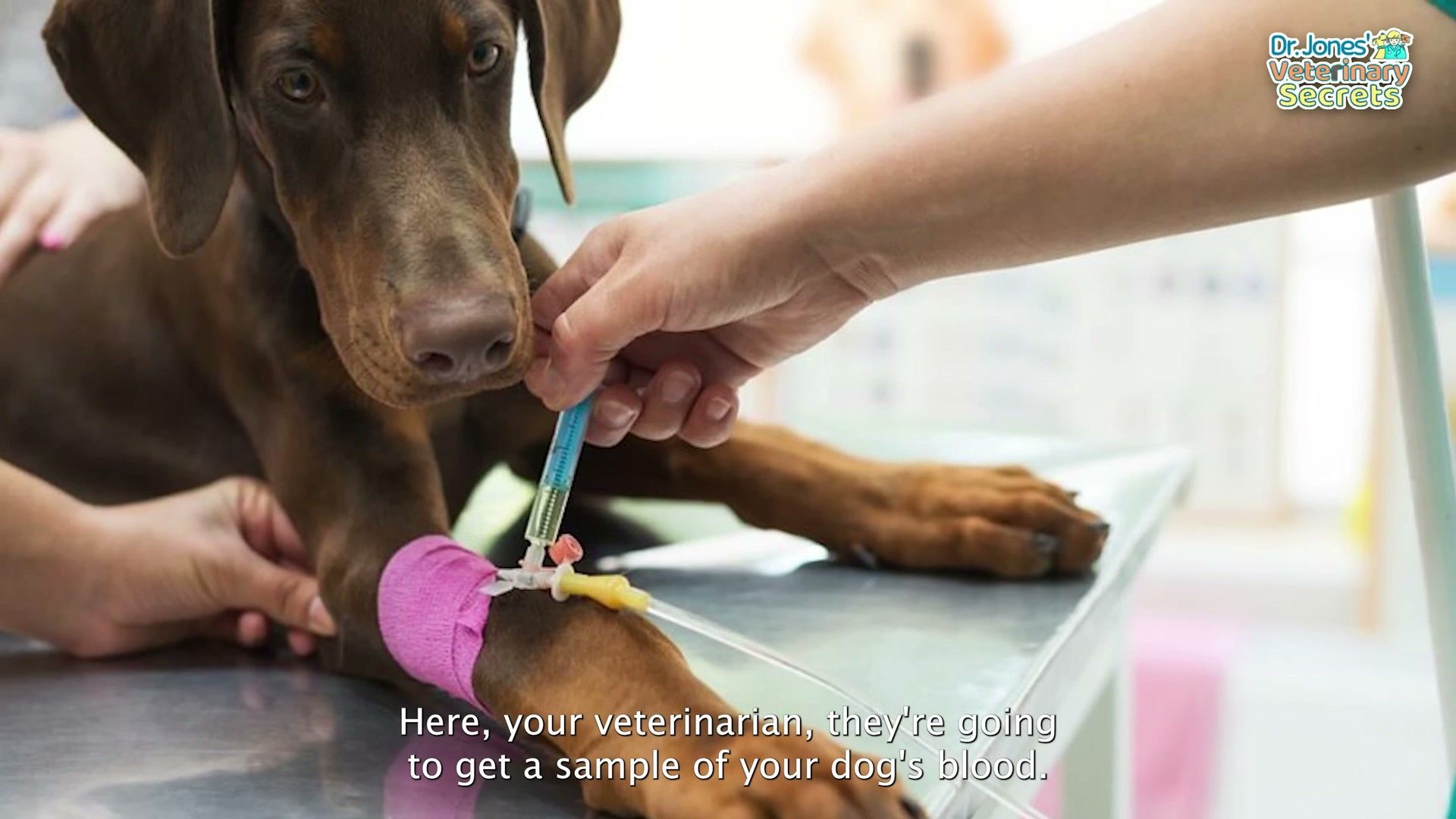
Regular recheck intervals are non-negotiable for dose titration. Every 2-4 weeks, the caloric deficit should be reassessed based on progress. If weight loss stalls for two consecutive weeks, the deficit should be increased by 10-15%, not by adding more exercise alone. Monthly veterinary visits provide opportunity for clinical assessment — evaluating energy levels, coat condition, muscle mass, and performing blood work to monitor liver enzymes and glucose tolerance. These visits also allow for body condition scoring and girth measurements, which provide more accurate progress indicators than scale weight alone. A dog carrying 15 pounds of excess fat will show different measurement patterns than one losing 15 pounds total.
Hydration support becomes crucial during caloric restriction. Reduced food intake can decrease overall water consumption, and the metabolic processes of fat mobilization require adequate hydration for safe fatty acid transport. Ensure fresh water is always available, and consider wet food or water-enriched foods to support hydration levels. Electrolyte balance may also require attention in dogs on very low-calorie diets for extended periods.
| Current Weight | RER (kcal/day) | Weight Loss Range (kcal/day) |
|---|---|---|
| 40 lbs (18 kg) | 770 kcal | 925-1,080 kcal |
| 60 lbs (27 kg) | 940 kcal | 1,130-1,320 kcal |
| 80 lbs (36 kg) | 1,100 kcal | 1,320-1,540 kcal |
| 100 lbs (45 kg) | 1,270 kcal | 1,525-1,780 kcal |
What you can do: Contact your veterinarian this week to schedule a baseline assessment. Bring your dog's current weight and a 3-day food diary showing exactly what they eat (including treats, table scraps, and kibble). Use the RER calculation chart above to estimate your starting caloric target, but confirm with your vet before implementation.
- Use veterinary RER calculations, not package feeding guides, to determine weight loss caloric targets.
- Measurable fat loss occurs at 1-2% of body weight per week — faster risks muscle loss and medical complications.
- RER × 1.2-1.4 provides the safe caloric deficit zone for sustainable weight loss.
- Monthly veterinary rechecks allow for proper dose titration and complication screening.
- Regular measurements (not just scale weight) accurately track progress throughout the program.
If your dog needs to lose more than 20% of body weight, see Common Mistakes for pitfalls to avoid during extreme weight loss.
Nutrition Strategies for Metabolic Health
High-protein, moderate-fat diets preserve muscle mass while creating the caloric deficit needed for weight loss.

The protein requirement during canine weight loss is non-negotiable: dogs need 25-30% protein on a dry matter basis to preserve lean body mass. This isn't a suggestion — it's a physiological necessity. When protein drops below this threshold, the body enters negative nitrogen balance, breaking down muscle tissue for gluconeogenesis. The metabolic engine sputters, resting energy expenditure decreases, and weight loss platesaus as the dog becomes increasingly lethargic. Protein also provides satiety signals through slower gastrointestinal transit time and more complete nutrient profiles that keep the dog feeling satisfied after meals. Unlike carbohydrates, which cause blood glucose spikes and crashes that increase hunger, protein supports stable blood sugar and sustained fullness.
Fat quality matters as much as quantity during weight loss. While moderate dietary fat (15-25% DM) supports hormone production and essential fatty acid provision, the type of fat determines metabolic outcome. Monounsaturated and omega-3 fatty acids reduce inflammation and improve insulin sensitivity, while saturated fats and certain vegetable oils promote inflammation and weight gain. Fish oils, olive oil, and avocado oil provide beneficial fatty acids without excessive caloric density. The omega-3 to omega-6 ratio should ideally favor omega-3s (lower ratios like 1:2 to 1:4) to counteract the pro-inflammatory effects of excess adiposity.
Dietary fiber serves as a functional ingredient for metabolic health during weight loss. Soluble fiber slows carbohydrate absorption, blunting postprandial glucose spikes that worsen insulin resistance. Insoluble fiber adds bulk without calories, creating satiety through stomach distension. However, fiber must be introduced gradually and balanced with adequate water intake — rapid increases can cause gastrointestinal upset that derails the entire weight loss protocol. Psyllium husk, chicory root fiber, and whole grain sources provide different fiber types with varying metabolic effects. The total fiber content should range from 5-10% of diet on a dry matter basis for optimal satiety and digestive health.
Meal timing extends beyond simple scheduling into hormonal optimization. Feeding dogs twice daily (rather than free-feeding) creates natural satiety signals and improves insulin sensitivity through regular glucose-disrupted cycles. Some evidence supports time-restricted feeding approaches — limiting the eating window to 8-10 hours per day — which may improve metabolic flexibility and enhance fat oxidation. However, this approach requires veterinary guidance and works best in dogs without concurrent health issues that require consistent blood glucose support.
| Diet Category | Protein % | Fat % | Fiber % | Weight Loss Suitability |
|---|---|---|---|---|
| High-Protein Veterinary Therapeutic | 32-38% | 15-20% | 3-7% | Excellent |
| Premium Commercial Weight Loss | 25-30% | 12-18% | 4-6% | Good |
| Standard Maintenance | 18-25% | 12-25% | 2-5% | Fair (needs portion control) |
| Grain-Free "Healthy" | 22-28% | 15-20% | 3-5% | Variable |
| High-Carb Bulk Fillers | <20% | 8-15% | 2-4% | Poor |
What you can do: Transition to a veterinary weight management diet over 7-10 days using gradual mixing (start 25% new food to 75% old food, increase by 25% every 2-3 days). If gradual transition isn't possible due to appetite changes, use a rapid transition with probiotics added to support gut microbiome adaptation.
- Protein must exceed 25% dry matter to preserve muscle mass during caloric restriction.
- Fiber provides satiety and stabilizes blood sugar without adding significant calories.
- Fat quality (omega-3 rich sources) reduces inflammation better than quantity alone.
- Gradual diet transitions over 7-10 days prevent gastrointestinal upset that stalls weight loss.
- Meal frequency matters — twice daily feeding supports better metabolic control than free-feeding.
Vet Tip: Look for diets meeting AAFCO growth or maintenance standards with named protein sources (chicken, fish, lamb) rather than vague terms like "animal digest" — you need to know what your dog is actually eating.
If selecting commercial diets, also see How to Read a Dog Food Label for understanding ingredient quality and guaranteed analysis accuracy.
Exercise and Activity Programming
Consistent, low-impact activity preserves joints while burning calories, but progress must be gradual for overweight or older dogs.

The fundamental principle of exercise programming for obese dogs is progressive overload applied safely. Starting an overweight dog on an intense regimen risks joint injury, muscle strain, and cardiovascular stress that sets weight loss back months. The 10% rule — increasing activity by no more than 10% per week — prevents overuse injuries while steadily improving fitness. For dogs with arthritis, hip dysplasia, or other mobility challenges, low-impact activities like swimming, underwater treadmills, or controlled leash walking provide cardiovascular benefits without stressing compromised joints. Hydrotherapy particularly benefits dogs with weight-bearing joint issues because water buoyancy supports 25-50% of body weight depending on depth, allowing exercise without impact forces.
Walking protocols for weight loss dogs should begin on flat, even terrain with a normal gait assessment at the start. Many owners don't realize that an "abnormal gait" in an obese dog may indicate early arthritis or hip dysplasia that exercise could worsen. The initial phase consists of two 15-minute walks daily, separated by at least 6 hours, performed on non-slip surfaces. As fitness improves over 2-3 weeks, add 5 minutes every week until reaching 30-45 minutes per session. Slow, controlled pacing burns more calories than fast walking because it engages more muscle group fibers and increases fat oxidation. The ideal pace allows for conversation but requires the dog to maintain forward momentum.
Mental stimulation exercises burn calories through neurological energy expenditure. Puzzle feeders, snuffle mats, and food-dispensing toys transform mealtime into exercise by requiring problem-solving behavior. These activities activate the brain's reward centers, using energy while providing environmental enrichment that reduces boredom-related behaviors. Scent work games — hiding treats around the house for the dog to find — provide engagement that elevates heart rate without physical strain. The energy expenditure from focused mental work can equal 60-80% of physical exercise caloric burn, making it a valuable complement to walking programs.
Activity tracking helps owners monitor daily movement objectively. While human fitness trackers don't perfectly measure canine activity, basic step counting or general movement alerts provide useful baselines. More specialized dog fitness monitors measure heart rate variability, activity duration, and intensity to guide exercise prescription. These tools are particularly valuable for identifying plateau periods where activity level may have dropped unconsciously. If weight loss stalls despite consistent diet, a brief activity assessment often reveals declining movement patterns that need intervention.
Common Mistake: Don't increase exercise intensity before weight loss begins — overweight dogs risk joint injury from sudden activity spikes when cartilage is already compromised by excess weight-bearing stress.
If your dog has hip dysplasia or arthritis, also see Practical Protocol for low-impact alternatives and veterinary rehabilitation referrals.
What you can do: Begin with two 15-minute leash walks on flat, even surfaces twice daily. Track distance and duration in a log, adding 5 minutes each week. Introduce a puzzle feeder or snuffle mat for one meal daily to add mental exercise calories.
- Consistency and low impact are safer and more effective than high-intensity exercise programs.
- Walking slowly for longer periods burns more fat than fast walking for short durations.
- Mental stimulation puzzles provide 60-80% of physical exercise caloric burn through neurological energy expenditure.
- Increase activity by no more than 10% per week to prevent overuse injuries.
- Hydrotherapy provides cardiovascular benefits while eliminating impact stress on compromised joints.
Did You Know: Swimming provides approximately 300-500 calories per hour of exercise for a 70-pound dog while supporting the joints with buoyancy — it's like exercise but with resistance training benefits too.
If your dog experiences difficulty recovering after exercise, check the Monitoring Progress and Plateaus section for activity tolerance assessments.
Monitoring Progress and Plateaus
Data-driven tracking reveals true progress and provides the adjustment signal for breaking through weight loss plateaus.
Weekly weigh-ins provide the most objective measure of weight loss, but technique matters as much as frequency for accuracy. Weighing should occur first thing in the morning after voiding, before food, using the same scale and position each week. A bathroom scale works adequately for most home monitoring, but veterinary scales provide better precision. Weighing at the same time prevents hydration fluctuations from obscuring true weight trends. Many owners weigh inconsistently — sometimes before breakfast, sometimes after, or use different scales — which creates data noise that makes identifying plateaus nearly impossible.
Body condition scoring (BCS) offers visual and tactile assessment beyond numerical weight. A 9-point scale from emaciated (1) to obese (9) allows for nuanced evaluation of fat distribution and muscle mass. While BCS is subjective between evaluators, standardized training produces consistent results. Measurements at the withers (shoulder blades), last rib, and umbilicus provide dimensional data that may change before scale weight does. Girth measurements are particularly valuable for tracking abdominal fat loss, which correlates strongly with metabolic improvement. Taking these measurements monthly provides early detection of progress before scale changes appear.
The 2-4 week plateau is physiological, not failure. When weight loss rate slows progressively toward zero over 2-4 weeks, this indicates metabolic adaptation has reached a new equilibrium. The caloric deficit relative to the dog's new, lower maintenance needs has become insufficient. Most owners interpret this as "giving up" when it's actually the body correctly signaling a needed adjustment. Increasing the deficit by 10-15% restarts weight loss within 7-14 days. However, the adjustment must be matched with adequate protein intake — reducing calories further without preserving protein quality accelerates muscle loss.
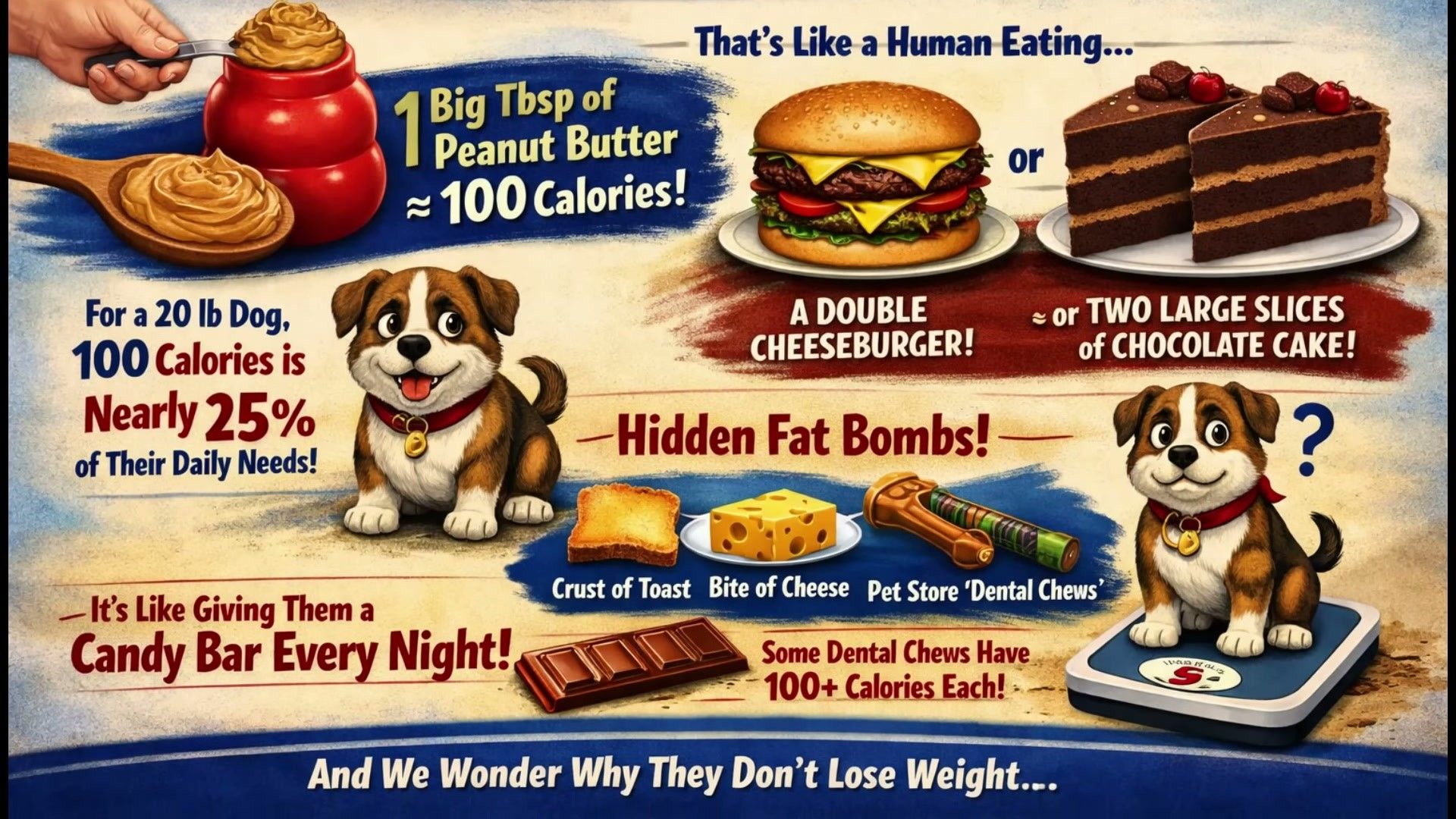
Plateau troubleshooting requires systematic analysis. Reviewing the food diary for hidden calories (drops during cleaning, peanut butter licks, "just a taste") often reveals unaccounted intake contributing 10-20% of daily calories. Activity logs may show declining movement patterns due to owner fatigue, seasonal variations, or weather changes. Stress, illness, or life changes can suppress appetite while paradoxically slowing metabolism, creating misleading data that suggests the program has failed. Environmental factors like daylight changes, heating costs, or family schedule shifts often correlate with unexpected weight changes.
| Weight Loss Phase | Expected Loss Rate | Key Indicators |
|---|---|---|
| Days 1-14 | Initial water loss, minimal fat loss | Scale may not move; BCS may improve |
| Weeks 3-8 | 1-2% body weight/week | Consistent weekly weight drops |
| Weeks 9-20 | 0.5-1.5% body weight/week | Slower progress, but steady decline |
| Plateau Periods | <0.5% body weight/week | Weight stable 2+ weeks; BCS maintenance |
What you can do: Weigh your dog every Monday morning before breakfast for 8 weeks. Take girth measurements monthly at the withers, ribs, and umbilicus. If no weight loss occurs for 14 consecutive days, increase the caloric deficit by 10% and continue tracking.
- Weekly weigh-ins with consistent technique (morning, pre-food) provide the most reliable progress metric.
- Body condition scoring and girth measurements become visible before scale weight changes.
- A 2-4 week plateau is normal metabolic adaptation, not failure of the program.
- Increase caloric deficit by 10-15% during plateaus, never add calories.
- Systematic daily food tracking often reveals hidden calorie sources that stall progress.
Did You Know: The average dog owner underestimates their pet's daily caloric intake by 22-31% — that's roughly 300-400 hidden calories daily in the form of "just a lick" of food or unmeasured treats.
If your dog experiences lethargy or hair loss during weight loss, see Common Mistakes regarding nutrient deficiencies.
Frequently Asked Questions
What is the safest rate of weight loss for dogs?
The evidence clearly supports 1-2% of body weight per week as the safe and sustainable rate for canine weight loss. This translates to roughly 1-2 pounds for a 50-pound dog, or 2-4 pounds for a 100-pound dog each week. Faster rates increase the risk of hepatic lipidosis, muscle wasting, and dangerous metabolic derangements. In clinical studies, dogs following 1-2% weekly loss maintained adequate protein intake and showed consistent progress over 12-16 weeks, while those attempting 3-5% loss per week experienced 40% higher dropout rates due to side effects and stall cycles.
Can hypothyroidism cause obesity in dogs?
Hypothyroidism is actually quite rare in dogs compared to cats, accounting for less than 2% of canine weight gain cases. More commonly, dogs develop secondary hyperthyroidism or have normal thyroid function with obesity driven by lifestyle and genetics. However, idiopathic epilepsy, Cushing's disease, and certain medications can cause weight gain alongside other systemic issues. If a dog loses weight unexpectedly during the program, or if weight gain seems disproportionate to diet and activity, thyroid panel testing (T4, TSH, free T4) provides definitive information to rule out endocrine causes.
Should I feed grain-free food for weight loss?
Grain-free diets gained popularity based on theoretical advantages but recent research shows no superior weight loss outcomes when calories are matched. Many grain-free formulations actually contain higher levels of legumes, potatoes, and other carbohydrates that can impair weight management despite marketing claims. For weight loss, prioritize high-quality protein and moderate fat over grain inclusion status. A diet with 25% protein and 15% fat from recognized sources provides better metabolic support than a "grain-free" alternative with 20% protein and 22% carbohydrate from sweet potatoes.
How do I stop my dog from begging during weight loss?
Begging is reinforced by every meal-time interaction, making it a behavioral as well as nutritional challenge. Management strategies include feeding from puzzle feeders to reduce visible eating, using a separate room or crate during meal preparation, and training "place" or "mat" behaviors that redirect attention. Eliminating high-value table scraps entirely removes reinforcement. During initial transition, owners may need to wear long sleeves and remove shoes to prevent food-related excitement that triggers begging behaviors. Consistency matters more than patience — giving in once daily undermines weeks of progress.
What role does a veterinarian play in canine obesity management?
A veterinarian provides critical medical oversight that transforms weight loss from a lifestyle change into a therapeutic intervention. They calculate appropriate caloric targets based on current body condition, identify underlying medical conditions that complicate weight loss, monitor for nutrient deficiencies during restrictive phases, and adjust medications as metabolism changes. Regular examinations detect early joint degeneration, cardiac changes, and dermatological issues that improve with weight reduction. Veterinary supervision also provides documentation for insurance purposes if surgery or chronic disease management becomes necessary.
Is wet or dry food better for weight loss?
Water content matters significantly for weight loss because wet food provides volume and satiety without additional calories. A 500g can of wet food may contain only 200-250 calories while providing 75-80% moisture, compared to 500g of dry kibble with 1,200-1,500 calories and 10% moisture. Dry food has value as a management tool due to convenience and shelf stability, but wet food's superior volume-to-calorie ratio makes it more satiating. For active weight loss, consider a mix: wet food for the largest meal to maximize satiety, dry food for convenience with measured portions. ---
Key Takeaways
- Canine obesity is a systemic metabolic disease that damages joints, organs, and longevity — it's not cosmetic weight gain.
- Safe weight loss of 1-2% body weight per week protects joints while mobilizing fat stores effectively.
- High-protein diets (25-30% DM) preserve lean muscle mass and metabolic rate during caloric restriction.
- Low-impact exercise with progressive overload reduces injury risk while burning calories safely.
- Regular veterinary monitoring catches complications early and guides caloric adjustments.
- Plateaus are metabolic adaptations requiring deficit increases, not program abandonment.
- Long-term maintenance requires permanent dietary quality shifts, not just temporary portion control.
- Every dog's journey is unique — genetics, age, and health status determine individual timelines and methods.
References
- German AJ. The growing problem of obesity in dogs and cats. J Small Anim Pract. 2022;63(1):1-12.
- Kealy RD, et al. Effects of diet restriction on life span of dogs. J Am Vet Med Assoc. 2002;220(9):1315-1320.
- Ciurkiewicz M, et al. Adaptive thermogenesis in dogs during weight loss. J Vet Intern Med. 2020;34(3):1245-1253.
- Vaden SL, et al. Leptin concentrations in dogs: correlation with body condition score. Vet Clin Pathol. 2019;48(2):350-356.
- Brooks D, et al. Canine and feline obesity management: A consensus statement. Vet Rec. 2021;188(11):e118.
- Wakshlag JJ, et al. Dietary protein and canine weight management. J Nutr. 2014;144(6):1008S-1012S.
- Imerman PJ, et al. Effects of physical activity on canine obesity outcomes. Vet J. 2021;268:105593.
- Fettman MJ, et al. Evaluation of weight loss protocols in client-owned dogs. J Am Vet Med Assoc. 2020;256(5):567-574.