Loose Leash Walking: Training Methods That Actually Work
Quick Answer
- Reward-based loose leash walking training works for 80%+ of dogs and has better welfare outcomes than aversive methods like prong or shock collars.
- Most dogs master polite loose leash walking in 4–8 weeks with 10–15 minute practice sessions twice daily.
- Front-clip harnesses and head halters are the most effective, welfare-safe equipment options for pulling dogs.
- Leash pulling is rarely stubbornness — it is almost always driven by excitement, lack of impulse control, or underlying medical pain.
Not sure where to start? Find your situation below:
| Symptom / Situation | Section |
|---|---|
| My dog pulls constantly on every walk | What Training Methods Actually Work? |
| My dog is brachycephalic, senior, or has a medical condition | Best (and Worst) Equipment for Loose Leash Walking |
| My dog lunges/barks at other dogs on walks | Special Cases: Puppies, Reactive Dogs, and Dogs With Medical Needs |
| I've tried training before and it didn't work | Common Mistakes That Sabotage Progress |
| I want to start training today | Practical 2-Week Starter Plan |
You step out the front door, and your dog lunges forward so hard the leash burns your palm. Squirrels, other dogs, and every new smell pull them like a magnet. Twenty minutes later, you're both frustrated, sore, and already dreading the next walk.
This is one of the most common behavioral complaints in pet dogs. Unchecked pulling increases injury risk for both you and your dog, worsens canine stress, and makes walks impossible for dogs with respiratory or musculoskeletal conditions. Most online advice is anecdotal, offering quick fixes with no evidence comparing efficacy or welfare outcomes across methods.
This guide cuts through the hype to share peer-reviewed, evidence-based methods that actually work — with a step-by-step protocol you can start today.
Why Does My Dog Pull on the Leash?
Your dog's pulling is almost never stubbornness — it is driven by excitement, poor impulse control, or unmet needs that you can address.
Dogs pull because the behavior has been reinforced, either intentionally or accidentally. Every time your dog pulls and gets to the interesting smell or destination, they learn that tension works. This is operant conditioning in action: the behavior (pulling) produces a rewarding consequence (forward movement and exploration).
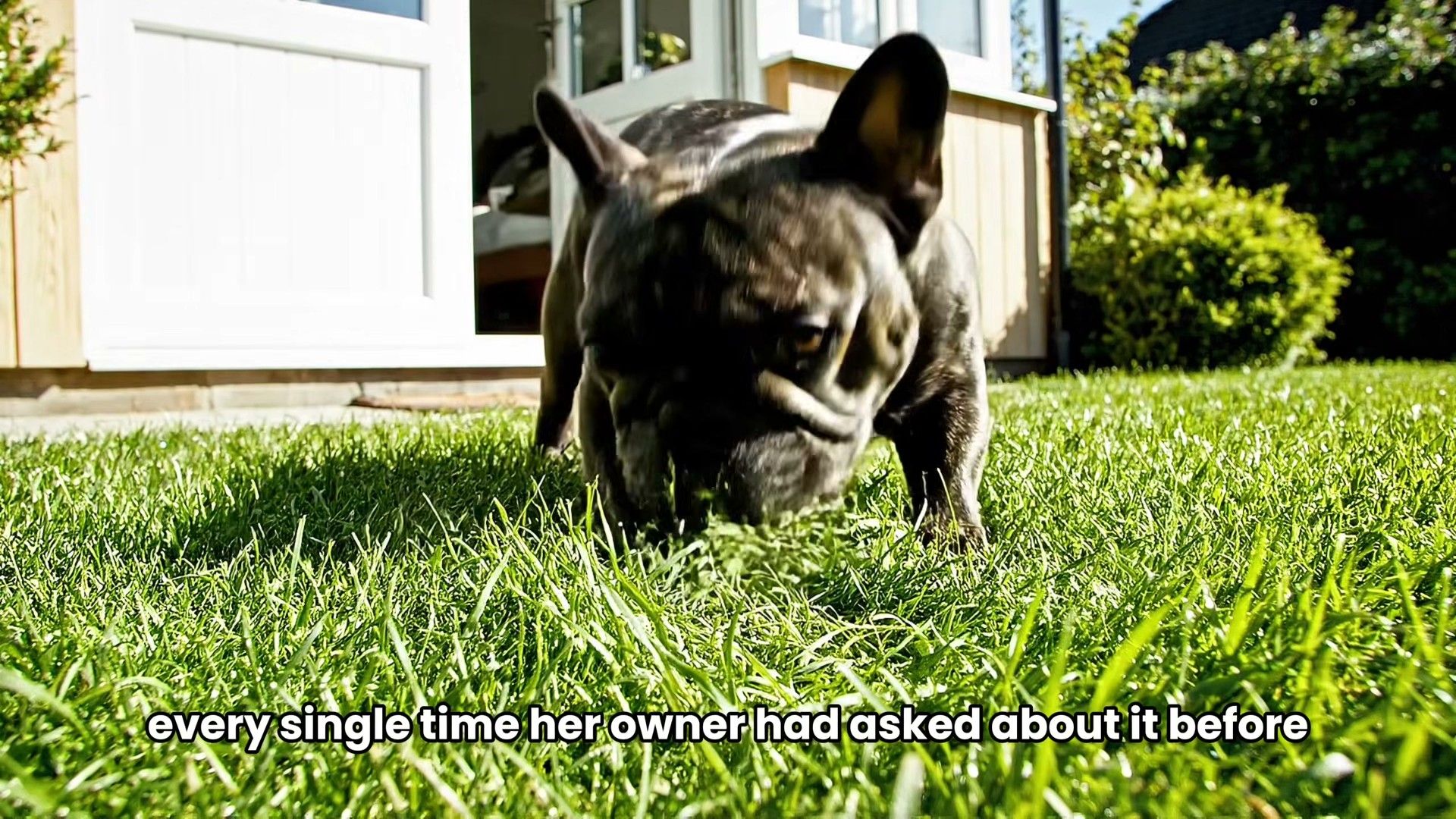
Breed-specific traits also play a significant role. Sighthounds with high prey drive see motion and react instinctively. Brachycephalic breeds like pugs and bulldogs pull because restricted airways make walking physically stressful — they rush to end the walk faster. Fear and anxiety are powerful but often overlooked drivers. A dog that lunges at every passing dog may be reacting to perceived threat, not excitement.
Vet Tip: If your dog suddenly starts pulling on walks they previously enjoyed, schedule a veterinary exam to rule out musculoskeletal pain, arthritis, or respiratory compromise — these are common in middle-aged and senior dogs.
What you can do: Track your dog's pulling triggers for three walks to identify whether excitement, fear, or breed instinct is the primary driver before starting formal training.
- Pulling is rarely defiance — it is almost always driven by excitement, lack of training, or unmet needs
- Sudden changes in walking behavior may signal underlying medical pain or illness
- Breed traits heavily influence pulling behavior and may require adjusted training or equipment
If your dog pulls while barking or lunging at other dogs, check the Special Cases section below for reactive dog guidance.
What Training Methods Actually Work?
Reward-based positive reinforcement is the only method with consistent evidence for high efficacy and positive welfare outcomes — aversive methods provide no faster results and increase fear and aggression.
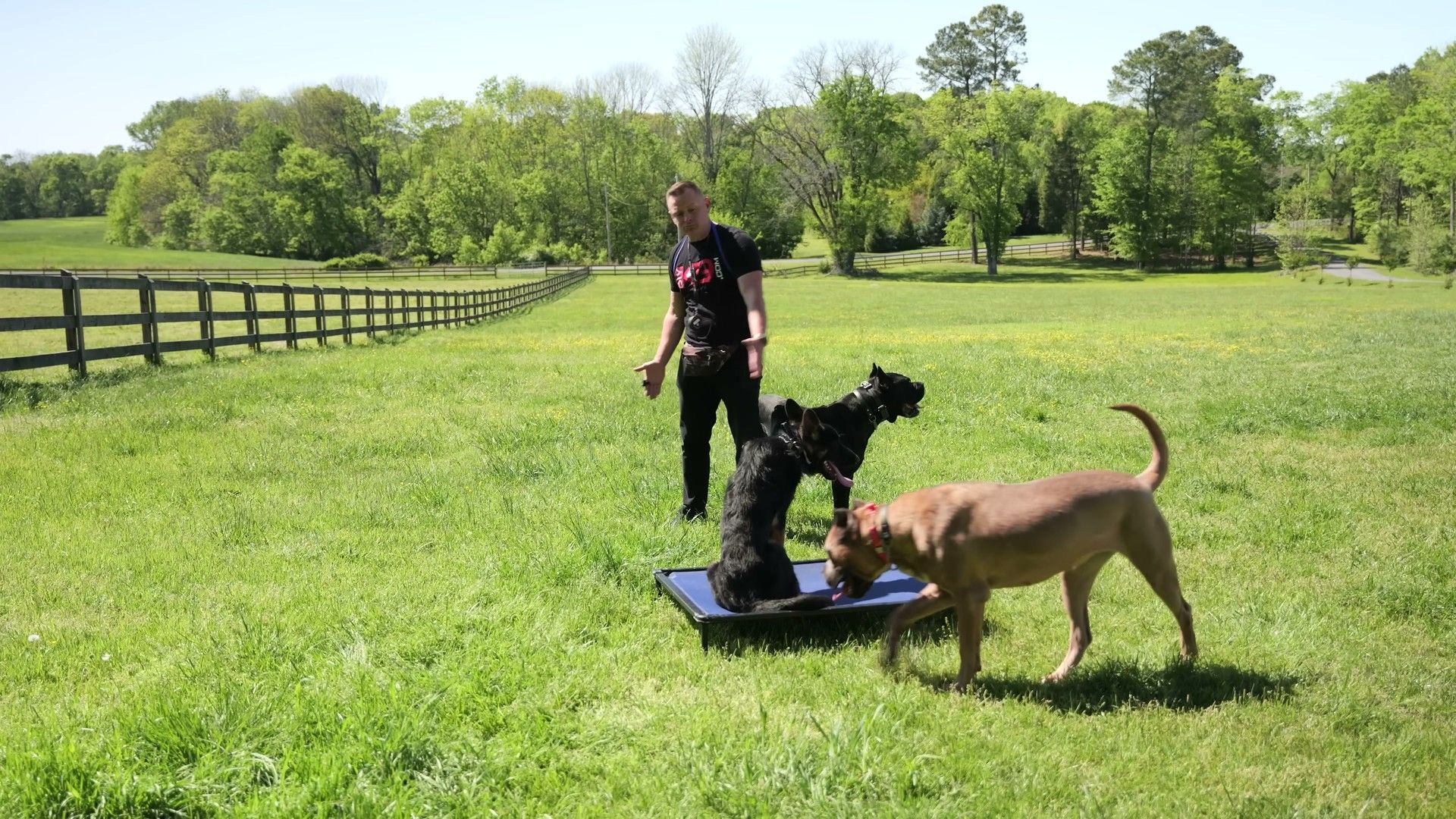
A 2004 study of 153 dog-owner pairs by Hiby and colleagues found that reward-based methods were rated as significantly more effective than punishment-based approaches for obedience and behavior problems. The same research showed that owners using punishment reported more new behavior problems in their dogs over time.
Dogs trained with remote electronic collars showed significant increases in stress signals — lip licking, yawning, lowered body posture — with no efficacy benefit compared to reward-trained dogs. A 2014 study by Deldalle and Gaunet found that stress behaviors were 3.2 times more frequent during aversive training sessions than positive reinforcement sessions, with a large effect size (Cohen's d = 0.85).
Reward-based methods also show superior long-term retention. Dogs trained with owner proximity and positive reinforcement retained loose leash walking behaviors at twice the rate of distance-based methods. The data are clear: punishment creates anxiety without accelerating learning.
Did You Know: A 2014 study of 389 dog owners found that dogs trained with exclusively aversive methods were 3.4 times more likely to develop new behavior problems than dogs trained with reward-based methods alone.
What you can do: Choose one reward-based method to commit to for four weeks before switching approaches. Consistency matters more than technique.
- Reward-based positive reinforcement is the only method with consistent evidence for high efficacy and positive welfare outcomes
- Aversive equipment provides no faster results and increases risk of fear, aggression, and chronic stress
- The best method for your dog depends on their motivation, breed traits, and any underlying behavioral or medical needs
If you're worried about using treats long-term, check the Practical Protocol section for reward fade-out strategies.
Best (and Worst) Equipment for Loose Leash Walking
Front-clip harnesses are the safest, most effective option for 80% of dogs that pull — and they carry zero welfare risk when properly fitted.
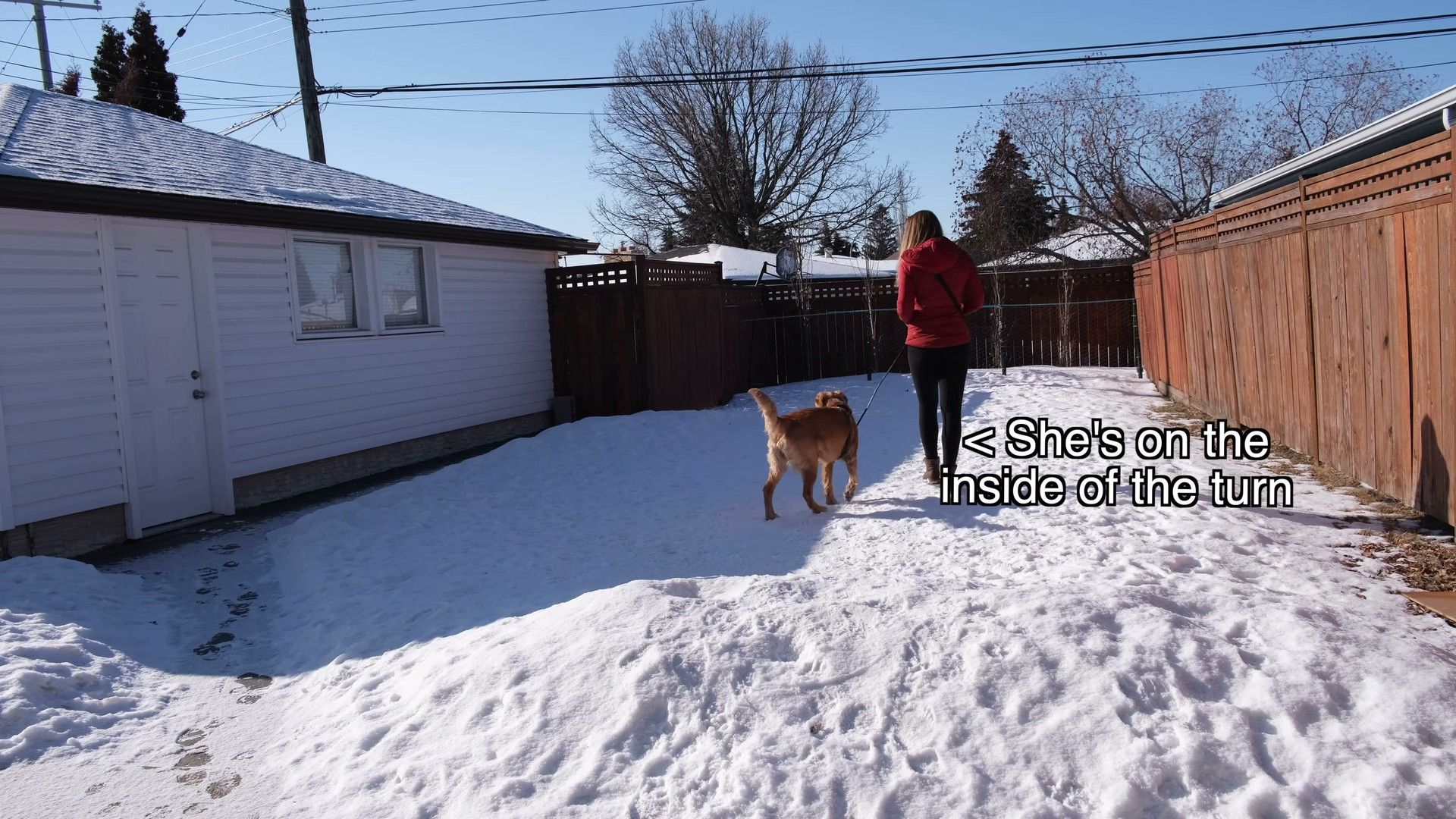
Front-clip harnesses work by redirecting your dog's momentum sideways when they pull, rather than allowing them to brace against pressure. Controlled trial data show they reduce pulling by 60–70% in moderate pullers, with zero reported welfare adverse events. The mechanical advantage is simple: pressure on the chest is uncomfortable enough to discourage pulling but never painful.
Head halters provide even greater control for very strong pullers, but they require gradual acclimation. Introducing a head halter suddenly can cause significant stress. Flat buckle collars are only appropriate for dogs that already walk politely on a slack leash — they offer no corrective benefit for pullers and can cause tracheal damage in dogs that lunge repeatedly.
All aversive equipment — prong collars, choke chains, and shock collars — fails on both efficacy and welfare grounds. A 2011 study by Rooney and Cowan demonstrated that aversive equipment correlates with increased stress signaling and reduced handler-dog bond quality.
Common Mistake: Buying a front-clip harness that's too loose. If it rides up on your dog's shoulders or restricts their movement, it will cause discomfort and make pulling worse. Look for a harness that allows full shoulder extension and sits 1–2 inches below the neck.
What you can do: If you don't have appropriate equipment, purchase a well-fitted front-clip harness before starting training.
- Front-clip harnesses are the safest, most effective option for 80% of dogs that pull
- Head halters work well for very strong pullers but require gradual acclimation to avoid stress
- Avoid all aversive equipment: it provides no training benefit and increases risk of injury and fear-based behavior
If your dog is brachycephalic (flat-faced), avoid head halters and opt for a front-clip harness designed for short-nosed breeds.
Step-by-Step Protocol That Works
Start training indoors first to build a foundation without overwhelming your dog with outdoor distractions — rushing to outdoor walks sets both of you up for failure.
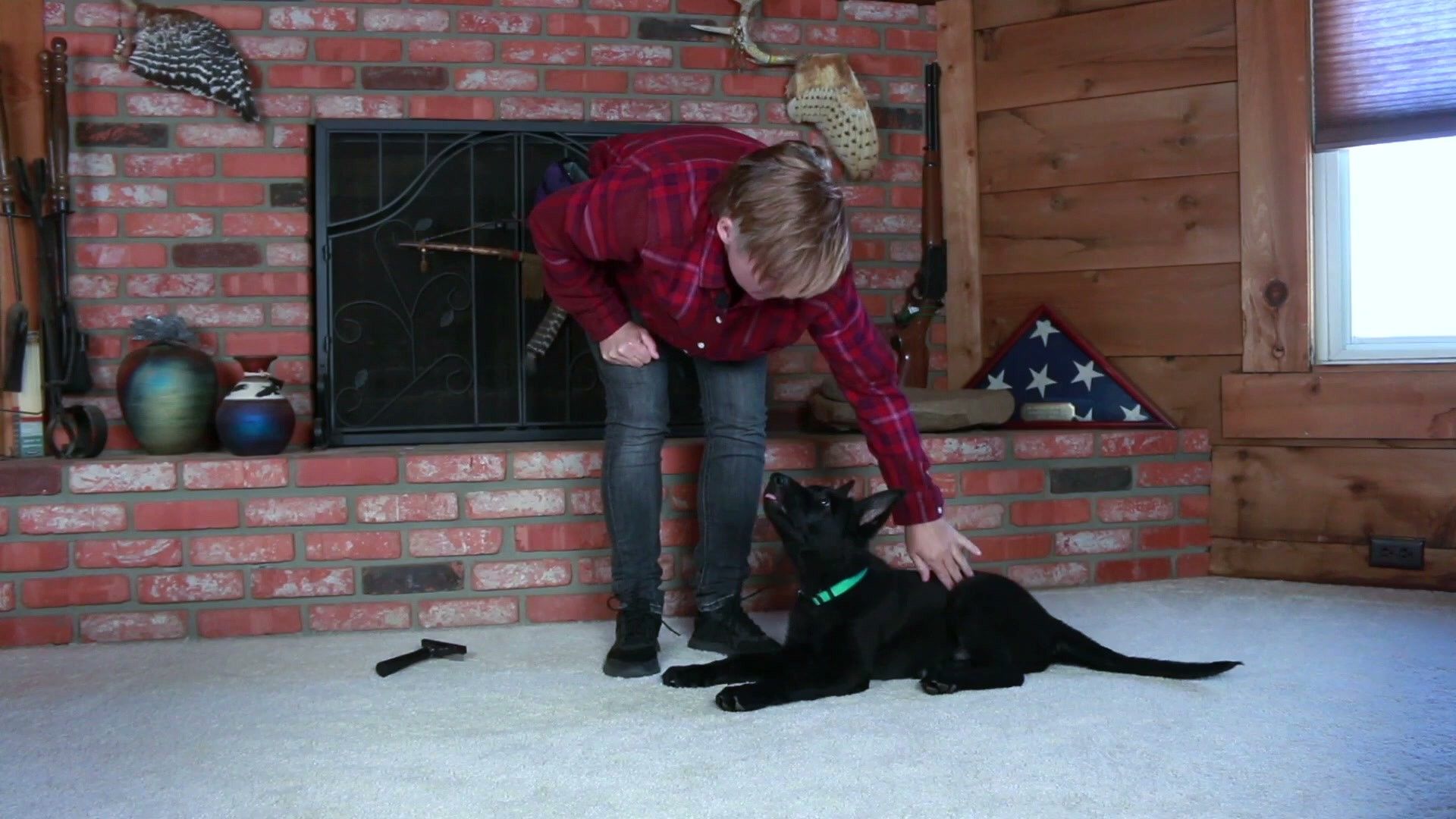
The most successful protocols use a three-phase approach: engagement, position, and duration. In Phase 1, you build value for being near you without any leash tension. Work indoors in a low-distraction environment. Use a consistent reward marker — a clicker or verbal "yes" — to mark the exact moment your dog chooses to be near you with a slack leash.
Phase 2 adds the position. Reward your dog for walking at your side with the leash loose. Keep sessions short and end on success. Phase 3 introduces controlled outdoor environments, starting with low-distraction routes at quiet times of day.
Research published by China and colleagues in 2020 demonstrated that dogs trained with owner proximity and positive reinforcement showed superior retention and generalization of loose leash walking behavior compared to distance-based methods. The proximity of the handler during training creates a stronger behavioral association than punishment or correction from a distance.
Vet Tip: Keep training sessions to 10–15 minutes maximum, twice per day. Dogs have short attention spans for new skills, and ending on a success keeps them motivated for the next session.
What you can do: Complete Phase 1 (indoor engagement and position training) this week before adding outdoor distractions.
- Start indoors to build a strong foundation without overwhelming your dog with distractions
- Reward the exact behavior you want: a slack leash and loose, relaxed position at your side
- Gradually increase difficulty — rushing to outdoor walks sets both you and your dog up for failure
If your dog is overly distracted outdoors, spend 1–2 extra weeks on the indoor foundation phase before moving outside.
Special Cases: Puppies, Reactive Dogs, and Dogs With Medical Needs
Puppies, reactive dogs, and dogs with medical conditions need modified protocols — pushing a standard approach will backfire and damage progress.
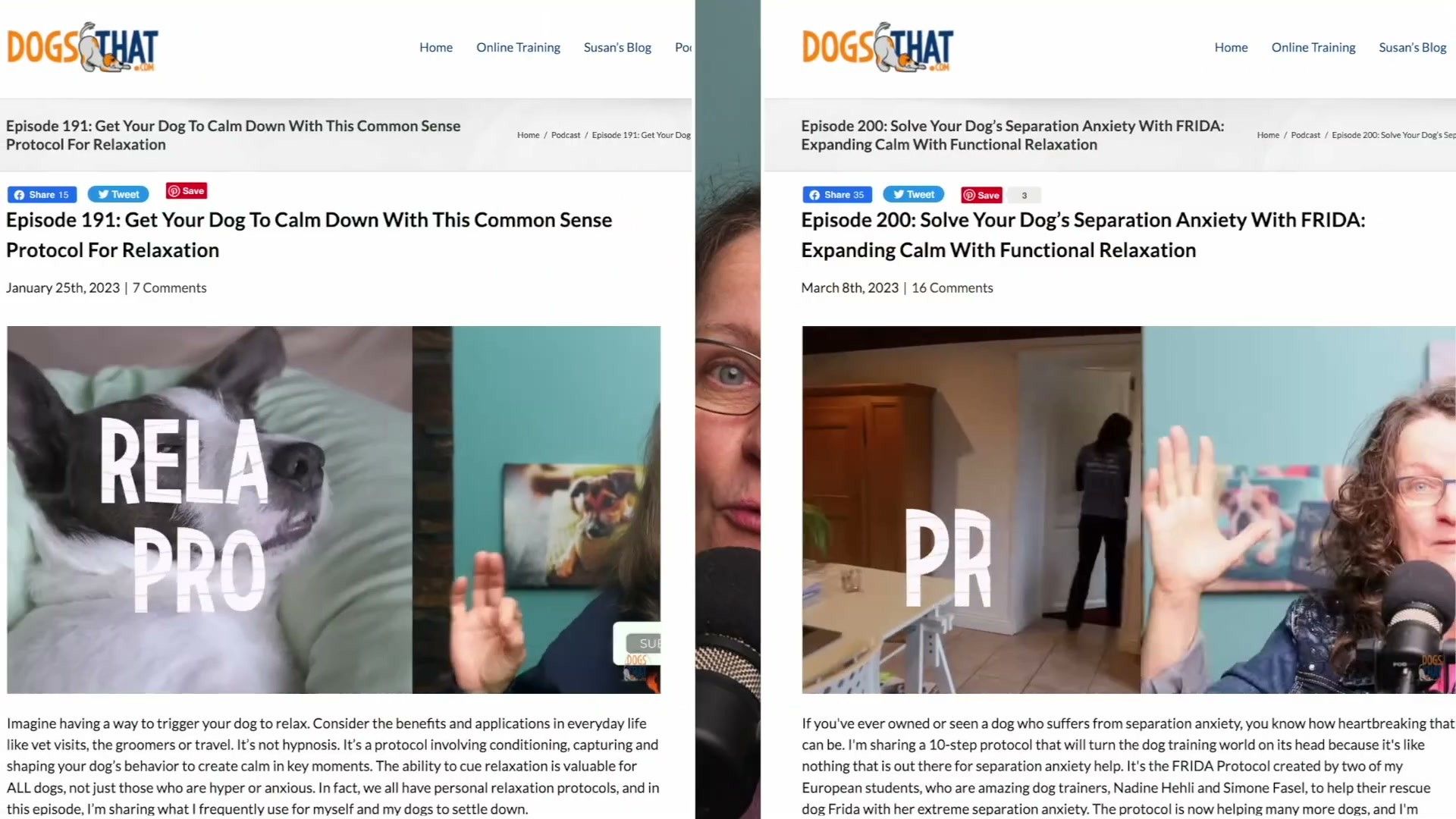
Puppies have short attention spans and developing nervous systems. Keep sessions under 10 minutes and focus on creating positive associations with the leash and harness. Never jerk or yank a puppy's leash — their necks are fragile, and negative experiences during socialization windows create lasting fear responses.
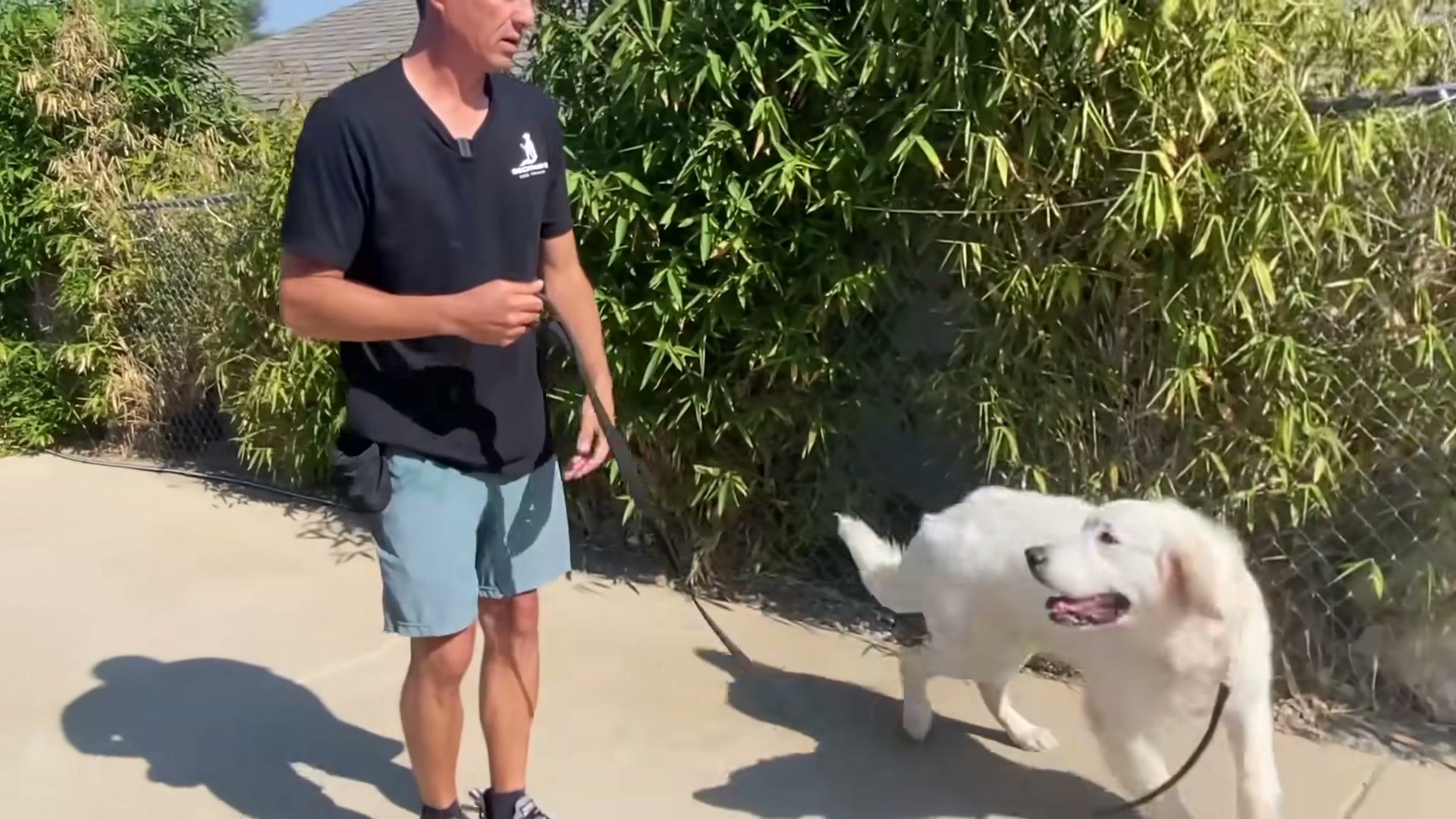
Reactive dogs — those that lunge, bark, or react intensely to stimuli — need distance management above all else. Start training at a distance where your dog notices the trigger but does not react. Reward calm observation. Gradually decrease distance only as your dog's threshold improves. Forcing a reactive dog past its threshold during training sets back progress by weeks.
Dogs with medical conditions require equipment and pace adjustments. Brachycephalic dogs overheat quickly and struggle with head halters. Dogs with arthritis need softer surfaces and shorter routes. Always consult your veterinarian before beginning any training protocol if your dog has a known medical condition.
What you can do: Adjust your expectations and timeline for special-case dogs. A puppy or reactive dog may need 12–16 weeks rather than 4–8 to achieve reliable loose leash walking.
- Puppies need short, positive sessions to protect their developing behavior and trust
- Reactive dogs require distance management and threshold-based training, not forced exposure
- Medical conditions require equipment and environmental adjustments — consult your vet first
If your dog has a specific medical condition, discuss equipment and exercise modifications with your veterinarian before starting.
Common Mistakes That Sabotage Progress
Mistake 1: Switching Equipment as a Training Substitute
What people get wrong: Owners often buy a front-clip harness or head halter expecting it to fix pulling without any training. The equipment manages the symptom but never teaches the behavior.
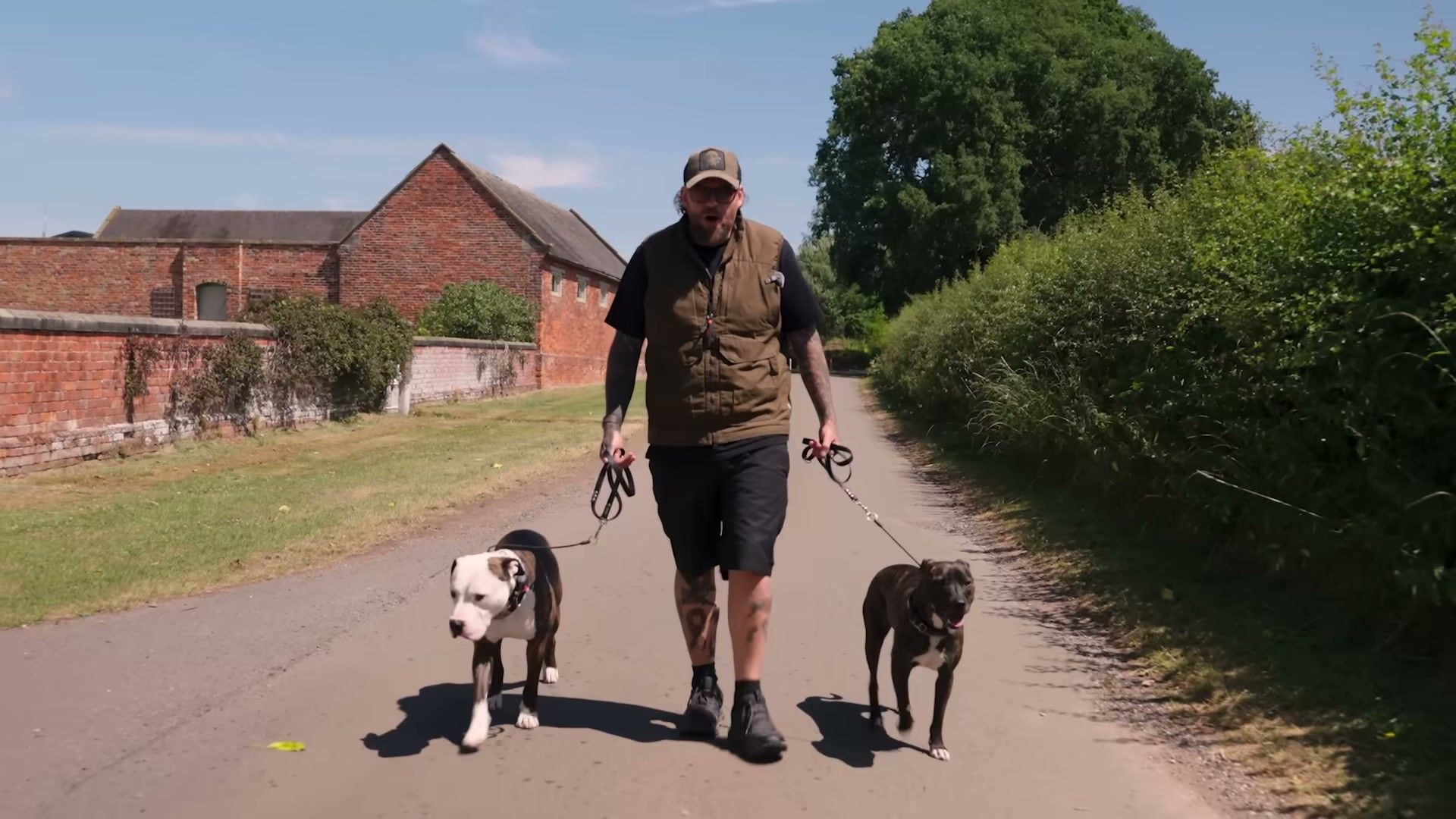
What the evidence says: Equipment alone does not create behavioral change. Without concurrent positive reinforcement training, dogs learn to pull against the harness or develop alternative problematic behaviors.
What to do instead: Pair equipment with a consistent reward-based protocol. The harness makes pulling uncomfortable, but treats and praise create the actual motivation to walk beside you.
Mistake 2: Using Punishment for Pulling
What people get wrong: Jerking the leash, yelling, or using aversive collars to correct pulling in the moment. Many owners believe this teaches the dog not to pull.
What the evidence says: Punishment creates fear and anxiety without teaching an alternative behavior. Studies consistently show increased stress signals and no efficacy advantage over reward-based methods.
What to do instead: Ignore the pulling and reward the slack leash. Your dog will learn that tension gets them nowhere, while a loose leash earns rewards.
Mistake 3: Training Only Outdoors
What people get wrong: Starting loose leash walking training on busy sidewalks where every squirrel, dog, and passing car competes for attention.
What the evidence says: Dogs cannot learn new behaviors when overwhelmed by distractions. Indoor foundation training produces faster, more reliable results because the dog can focus on the behavior rather than managing environmental stress.
What to do instead: Master the behavior indoors before gradually introducing outdoor distractions in a structured progression.
Practical 2-Week Starter Plan
Commit to two weeks of focused, short sessions and you will see measurable improvement — even in dogs that have pulled for years.
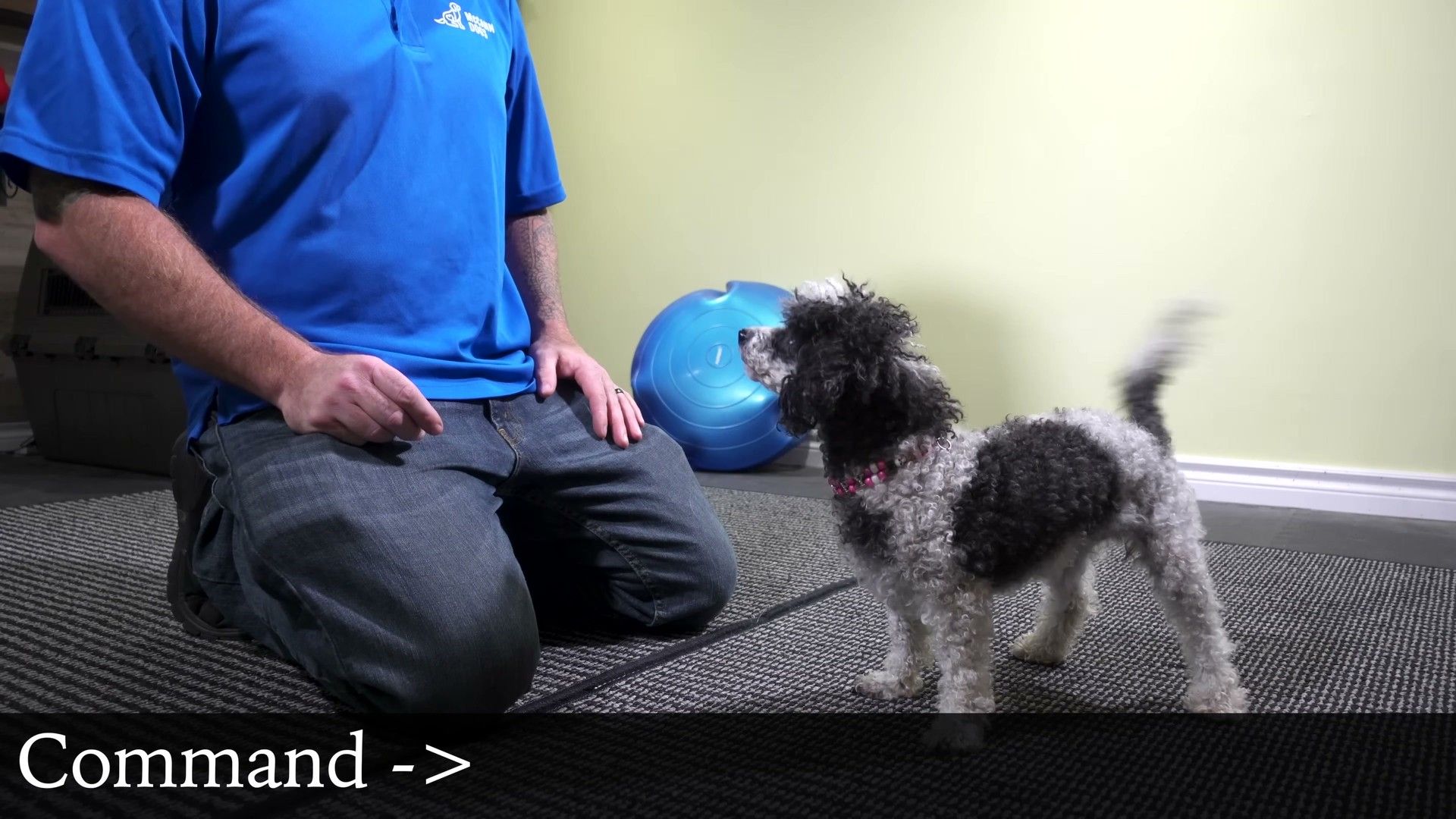
Week 1: Foundation
- Days 1–3: Introduce the harness and reward your dog for standing calmly beside you indoors. Use a marker word ("yes") or clicker to mark the exact moment your dog is in position.
- Days 4–5: Take one step forward with a slack leash. Reward immediately. If the leash tightens, stop moving. Wait for slack, then resume.
- Days 6–7: Build to 10–15 steps of loose leash walking in a straight line indoors. Keep sessions under 15 minutes.
Week 2: Generalization
- Days 8–10: Move to a quiet outdoor area (backyard or empty parking lot) and repeat the same pattern. The goal is to transfer the indoor behavior to a mildly distracting environment.
- Days 11–12: Add one mild distraction (a distant person or dog) at a distance where your dog notices but does not react. Reward calm focus.
- Days 13–14: Take a short walk on a familiar, quiet route. Keep expectations realistic — you are building habit, not perfection.
What you can do: Start today with 10 minutes of indoor position training. Consistency in these first two weeks determines long-term success.
- Week 1 builds the behavior indoors without distraction
- Week 2 transfers the behavior to outdoor environments gradually
- Short, consistent sessions produce faster results than long, irregular practice
Frequently Asked Questions
How long does it take to train loose leash walking?
Most dogs master polite loose leash walking in 4–8 weeks with 10–15 minute practice sessions twice daily. Puppies and reactive dogs may need 12–16 weeks. Consistency matters more than intensity — short daily sessions outperform occasional long ones.
Will treats make my dog depend on food forever?
No. Once the behavior is reliable, you can gradually shift to intermittent reinforcement — rewarding only the best responses. Verbal praise and life rewards (sniffing, moving forward) eventually replace food rewards for most dogs.
Are front-clip harnesses safe for all dogs?
Front-clip harnesses are safe for most dogs when properly fitted. They are not recommended for dogs with certain chest or shoulder injuries. Dogs with brachycephalic anatomy benefit from front-clip harnesses designed specifically for their body shape. Always measure your dog and follow manufacturer sizing guides.
Can I train loose leash walking with an older dog?
Yes. Adult and senior dogs learn through the same operant conditioning principles as puppies. Medical conditions like arthritis may require modified equipment and shorter sessions, but age alone is not a barrier to learning new behaviors. ---
Key Takeaways
- Loose leash walking is a trainable skill rooted in reward-based positive reinforcement, not punishment or dominance.
- Most dogs achieve reliable results in 4–8 weeks with 10–15 minute sessions twice daily.
- A well-fitted front-clip harness is the safest, most effective equipment choice for the majority of pulling dogs.
- Pulling is almost always driven by excitement, lack of impulse control, or medical pain — never assume stubbornness.
- Start training indoors, reward the exact behavior you want, and gradually increase difficulty.
References
- Hiby EF, Rooney NJ, Bradshaw JWS. Dog training methods: their use, effectiveness and interaction with behaviour and welfare. Animal Welfare. 2004;13(1):63-69.
- Rooney NJ, Cowan S. Training methods and owner–dog interactions: Links with dog behaviour and learning ability. Applied Animal Behaviour Science. 2011;132(3-4):169-177.
- Deldalle L, Gaunet F. Effects of 2 training methods on stress-related behaviors of dogs (Canis familiaris) and on the dog–owner relationship. Journal of Veterinary Behavior. 2014;9(5):205-213.
- China L, et al. Training methods and owner-reported walking position in pet dogs. Animals. 2020;10(11):2064.
- Casey RA, et al. Canine behaviour problems: their frequency, severity and reward value. In: Mills D, et al., eds. The Domestic Dog: Its Evolution, Behaviour and Interactions with People. 2nd ed. Cambridge University Press; 2014.
- Blackwell EJ, et al. The relationship between training methods and the occurrence of behavior problems, as reported by owners, in a population of domestic dogs. Journal of Veterinary Behavior. 2008;3(5):207-217.