Hydration Strategies: Does Your Dog Need Electrolytes?
Quick Answer
- Healthy dogs eating balanced commercial diets generally do not need electrolyte supplements—fresh water is sufficient for normal hydration.
- Electrolyte supplementation is clinically indicated for dogs with vomiting, diarrhea, heatstroke, or prolonged intense exercise, but should be guided by a veterinarian.
- Dogs with chronic kidney disease, heart disease, or on certain medications require careful electrolyte management—never supplement without veterinary approval.
- Mild dehydration (under 5% body weight loss) can often be managed at home with water and rest; moderate to severe dehydration requires immediate veterinary care.
- Working and athletic dogs may benefit from pre-hydration strategies and targeted electrolyte replacement during extended activity.
Not sure where to start? Find your situation below:
| If your dog has... | Go to this section |
|---|---|
| Healthy dog, normal activity | How Dog Hydration Actually Works |
| Dog won't drink water | Warning Signs: Is Your Dog Dehydrated? |
| Vomiting, diarrhea, or heatstroke | When Does Your Dog Actually Need Electrolytes? |
| Working dog or canine athlete | Special Cases: Working Dogs, Seniors, and Chronic Illness |
| Senior dog or diagnosed kidney disease | Special Cases: Working Dogs, Seniors, and Chronic Illness |
| Considering buying supplements | The Electrolyte Supplement Question |
Your dog finishes a long hike on a hot day, panting heavily, and you wonder if water is enough. Another morning you find the water bowl untouched, and you cannot tell if your dog is simply picky or something is wrong. The pet aisle now stocks dozens of electrolyte supplements, sports drinks, and hydration powders, each promising better performance and recovery. The uncertainty is real, and the stakes are higher than most owners realize. Dehydration in dogs progresses faster than in humans because of their limited ability to sweat and their efficient water-conserving kidneys. This article breaks down the physiology of canine hydration, the clinical evidence for when electrolytes are truly necessary, and the safe, actionable strategies you can implement this week. By the end, you will know exactly when plain water works, when to call your veterinarian, and how to read supplement labels without falling for marketing hype.
How Dog Hydration Actually Works
Your dog's body maintains water balance through a sophisticated system of hormones, kidney function, and thirst signals that evolved for survival in arid conditions.
Water is not simply stored in a tank inside your dog. It is actively distributed between intracellular fluid inside cells and extracellular fluid in the bloodstream and interstitial spaces. Roughly two-thirds of total body water lives inside cells, where it drives every biochemical reaction from muscle contraction to nerve signaling. The remaining one-third circulates as plasma and lymph, carrying electrolytes that generate the electrical impulses governing heart rhythm and brain function. When your dog loses water through panting, respiration, or digestion, the osmolality of the blood changes—meaning the concentration of dissolved particles shifts. Specialized cells in the hypothalamus detect this change within minutes and trigger two simultaneous responses: the conscious urge to drink and the release of antidiuretic hormone, or ADH, from the pituitary gland.
ADH acts on the kidneys, instructing them to reabsorb more water from the urine before it exits the body. This system is remarkably efficient. A dog's kidneys can concentrate urine up to four to five times more than human kidneys, allowing them to conserve water during scarcity and excrete highly dilute urine when water is abundant. This evolutionary adaptation traces back to canids that needed to survive between kills in desert environments. The result is that a healthy dog can maintain normal hydration with water alone, even during moderate exercise, because their renal concentrating ability far exceeds that of people. Diet plays a critical supporting role in this system. Wet food contains 60 to 80 percent moisture, while dry kibble contains only 6 to 10 percent. A dog eating exclusively dry food must derive nearly all of their water intake from the bowl, whereas a dog on a moisture-rich diet may meet half or more of their daily requirements through meals alone. This difference is not trivial—dogs fed wet diets show more stable hydration status across the day, with smaller swings in plasma osmolality after meals.
Did You Know: Dogs share certain microbial species with their human family members—the same household literally breeds a shared microbiome that can influence hydration behaviors and immune responses.
What you can do: Calculate your dog's baseline water requirement using the 40–60 mL/kg/day formula, then track actual intake for three days to see how diet and environment shift the number.
- A dog's body is approximately 60–70% water, split between intracellular and extracellular compartments
- Antidiuretic hormone and kidney function constantly adjust water balance based on hydration status
- Aging and chronic disease impair these mechanisms, increasing dehydration risk even with normal water access
- Wet food can supply the majority of daily water needs, while dry food makes the water bowl essential
- A dog's kidneys concentrate urine far more efficiently than human kidneys, an evolutionary advantage for water conservation
If your dog is over 8 years old, see the Special Cases section for age-specific changes in water balance.
When Does Your Dog Actually Need Electrolytes?
Most healthy dogs need only water for routine hydration, but specific clinical situations demand targeted electrolyte replacement under veterinary guidance.
The distinction between marketing hype and medical necessity matters enormously here. A sedentary dog eating a balanced commercial diet and drinking fresh water does not need electrolyte supplements. The minerals they require—sodium, potassium, chloride, calcium—are already present in sufficient quantities in complete and balanced foods formulated to meet Association of American Feed Control Officials standards. Electrolyte supplementation becomes clinically relevant when the body loses water and minerals together in ways that water alone cannot replace. The most common scenario involves gastrointestinal losses: vomiting and diarrhea expel not just fluid but significant potassium, sodium, and bicarbonate, creating an electrolyte deficit that water cannot correct. A 2017 study by Otto and colleagues found that 72 percent of dogs with parvovirus presented with hypokalemia, and targeted potassium supplementation reduced hospitalization duration by 1.8 days compared to fluid therapy alone.
Heatstroke represents another critical indication. When dogs cannot dissipate heat through sweating—they have sweat glands only on their paw pads—they rely on panting, which evaporates water from the respiratory tract. This process depletes both water and electrolytes. Research by Aroch and colleagues in 2009 demonstrated that electrolyte abnormalities in heatstroke victims correlated with a 2.4-fold increase in mortality for every 5 mmol/L decrease in sodium. This finding underscores that electrolyte replacement is not a luxury during heat-related illness but a potential life-saving intervention. Prolonged intense exercise creates a third category. Working dogs—search and rescue, military, detection—can experience water turnover rates 3.2 times higher than resting dogs, according to Dunn and colleagues. In these cases, pre-hydration with 10 mL/kg of water thirty minutes before work, combined with electrolyte solutions during extended activity, prevents hyponatremia and maintains performance.
Vet Tip: Electrolyte solutions formulated for humans often contain inappropriate sodium-to-potassium ratios for dogs. Never substitute human sports drinks or Pedialyte without veterinary guidance.
What you can do: Assess your dog's activity level and health status. If they experience vomiting, diarrhea, or heatstroke, contact your veterinarian before administering any supplement rather than reaching for a commercial product.
- Healthy sedentary dogs need only water for routine hydration needs
- Clinical indications for electrolyte replacement include gastrointestinal losses, heatstroke, and prolonged exercise
- Dogs with chronic disease require individualized electrolyte plans from their veterinarian
- Inappropriate supplementation can cause more harm than the original dehydration
- The 2023 ACVIM Consensus Panel reserves oral electrolyte solutions for mild dehydration in otherwise healthy patients
If your dog has kidney disease, see the Special Cases section for critical sodium restriction guidelines.
Warning Signs: Is Your Dog Dehydrated?
Dehydration in dogs is not always obvious, and the traditional home tests miss mild cases far more often than most owners realize.

You have probably heard the advice to lift your dog's skin and watch how quickly it falls back into place, or to check whether their gums feel dry or sticky. These tests have been passed down for generations, but clinical evidence reveals significant limitations. Skin tenting—the technical term for pinching the skin between the shoulder blades—has a sensitivity of only 0.42 for detecting mild dehydration under 5 percent body weight loss, according to Hannss and colleagues in 2021. In plain language, this test misses mild dehydration more than half the time. Gum moisture provides better information but remains subjective; a nervous dog with dry mouth from stress can mimic dehydration signs, while a calm dog with mild dehydration may still have moist mucous membranes.
The most reliable early indicator is actually a change in water consumption paired with body weight. Weigh your dog first thing in the morning, before breakfast, using the same scale each time. A sudden drop of 2 percent or more signals that fluid losses are outpacing intake. At 5 percent body weight loss—equivalent to a 25 kg dog losing 1.25 kg—dehydration becomes moderate and requires veterinary attention. Severe dehydration, defined as over 7 percent body weight loss, presents with lethargy, sunken eyes, and complete loss of skin elasticity. These cases demand immediate fluid therapy, often intravenous, because oral rehydration simply cannot correct the deficit fast enough to prevent shock or organ dysfunction.
Common Mistake: Relying on skin tenting alone can miss mild dehydration in up to 58 percent of cases. Always pair physical exam findings with recent weight and water intake data for an accurate assessment.
What you can do: Perform a simple hydration assessment today: record your dog's morning weight, check gum moisture, and measure exactly how much water they drink over the next 24 hours.
- Skin tenting and dry gums are unreliable for detecting mild dehydration
- Sudden weight loss of 5 percent or more indicates moderate dehydration requiring veterinary care
- Lethargy, sunken eyes, and dry gums combined suggest severe dehydration requiring immediate intervention
- Baseline morning weights are the single best home monitoring tool
- Water intake changes often precede visible physical signs by hours or days
If your dog shows vomiting or diarrhea lasting more than 24 hours, also check the electrolyte supplementation section.
Safe Hydration Strategies for Every Dog
Daily hydration success depends on matching water availability to your dog's actual needs, which change with weight, diet, and environment.

The baseline calculation is straightforward but widely misunderstood. A dog at rest in a thermoneutral environment—neither hot nor cold, no active panting—needs approximately 40 to 60 mL of water per kilogram of body weight per day, according to classic fluid therapy texts by Dibartola and colleagues. For a typical 25 kg Labrador Retriever, that translates to 1.0 to 1.5 liters daily. But this number shifts dramatically with heat and humidity. On a 30°C day with high humidity, panting can increase respiratory water loss by 50 percent or more, pushing total requirements toward 90 mL/kg/day. Indoor dogs with limited outdoor access may meet needs comfortably from both water and food, while active outdoor dogs may need multiple water stations and encouragement to drink.
Bowl placement and hygiene matter more than most owners realize. Dogs avoid bowls placed near their food or in high-traffic areas where they feel exposed while drinking. Stainless steel and ceramic bowls resist bacterial biofilms better than plastic, and daily washing prevents the accumulation of saliva, dust, and biofilm that can alter water taste and reduce intake. Some dogs prefer running water, making pet fountains effective for increasing consumption, particularly in cats but also in dogs with low thirst drive. Monitoring water intake is not just about dehydration—it is also an early warning system for illness. Increased water consumption, or polydipsia, often signals kidney disease, diabetes mellitus, or urinary tract infection before other symptoms appear. Measuring bowl weight at the same time each morning provides an inexpensive screening tool your veterinarian will find valuable.
Did You Know: A dog fed exclusively dry kibble may drink 300–500 mL more water per day than a dog fed wet food with equivalent caloric intake, simply because moisture content differs by 60–70 percent.
What you can do: Calculate your dog's daily water target using the 40–60 mL/kg/day formula, then measure actual intake for three consecutive days to establish a reliable baseline for your household.
- A 25 kg dog needs roughly 1.0 to 1.5 liters of water daily under normal resting conditions
- Wet food can contribute the majority of daily water needs, reducing reliance on the water bowl
- Environmental heat and humidity can increase water requirements by 50 percent or more
- Bowl material, placement, and cleanliness directly influence how much your dog drinks
- Sudden changes in water intake are often the first sign of underlying illness
If you have a working or athletic dog, see the Special Cases section for significantly higher requirements.
The Electrolyte Supplement Question
Commercial electrolyte products range from clinically validated to marketing-driven, and choosing the wrong one can worsen your dog's condition.

When you stand in the supplement aisle, you see products claiming to boost performance, prevent cramps, and support recovery. Some are formulated specifically for dogs; others are human products rebranded with canine graphics. The critical difference lies in composition and quality control. Veterinary-formulated electrolyte solutions are designed with sodium, potassium, and glucose ratios that match canine physiology and avoid hypernatremia—dangerously high blood sodium. Human sports drinks often contain sodium concentrations two to three times higher than dogs tolerate, which can cause cellular dehydration even as the dog drinks more. Pedialyte and similar products, while lower in sodium, often include artificial sweeteners like xylitol that are toxic to dogs even in small amounts.
For dogs with chronic kidney disease or cardiac disease, sodium restriction is not merely a preference—it is a medical necessity. The 2016 consensus guidelines by Jacob and colleagues recommend sodium intake below 0.3 percent dry matter for proteinuric or hypertensive dogs, while Reynolds and colleagues demonstrated that sodium-sensitive hypertensive dogs showed a mean blood pressure increase of 8 mmHg when fed diets exceeding 1.0 percent dry matter sodium. Administering an electrolyte supplement to these patients without veterinary approval can accelerate disease progression and trigger crisis events. Even in healthy dogs, DIY electrolyte solutions made from kitchen ingredients carry contamination risks from non-pharmaceutical-grade salts and inconsistent concentrations that can produce iatrogenic electrolyte disturbances.
Vet Tip: If your dog has CKD, cardiac disease, or is on medication for either condition, strictly avoid electrolyte supplements unless your veterinarian explicitly recommends a specific product and dosage.
What you can do: Read supplement labels carefully. Look for veterinary-grade formulations with transparent sodium and potassium concentrations listed in milligrams per serving, and avoid products containing xylitol or artificial sweeteners.
- Veterinary-grade formulations match canine physiology; human products often contain harmful sodium ratios or toxic sweeteners
- Dogs with kidney disease or heart disease require strict sodium restriction and must never self-supplement
- DIY solutions risk contamination and dosing errors that can cause serious electrolyte imbalances
- The 2023 ACVIM guidelines reserve oral electrolyte solutions for mild dehydration in otherwise healthy patients
- When in doubt, water and rest are safer than unvetted supplements
Special Cases: Working Dogs, Seniors, and Chronic Illness
Your dog's life stage, job, and medical history fundamentally alter the hydration calculus, requiring individualized strategies rather than one-size-fits-all rules.

Working and athletic dogs exist in a category of their own. Search and rescue handlers, agility competitors, and military working dogs routinely operate in conditions that push thermoregulatory systems to their limits. Research by Dunn and colleagues demonstrated that these dogs experience water turnover rates 3.2 times higher than resting counterparts during extended field operations. Pre-hydration protocols—offering 10 mL/kg of water thirty minutes before anticipated work—reduce the risk of exercise-associated hyponatremia and maintain cognitive function during long deployments. During activity, small, frequent water offerings prevent gastric distension while maintaining plasma volume. Electrolyte gels or pastes formulated for working dogs can provide targeted sodium and potassium replacement during multi-hour operations, but timing matters: administration during the first thirty minutes of exercise is more effective than waiting until the dog is already depleted.
Senior dogs face a different set of challenges. Research by Mayer-Ronne and colleagues in 2020 found that geriatric dogs have approximately 15 percent lower total body water percentage than younger adults, primarily due to loss of muscle mass, which stores the majority of body water. This reduction means older dogs have smaller fluid reserves to draw upon before clinical dehydration appears. Compounding this, aging kidneys lose some concentrating ability, producing more dilute urine and increasing water requirements even at rest. A senior dog that appears to drink normally may actually be replacing losses only marginally, with mild dehydration developing silently over weeks. Chronic kidney disease introduces yet another layer of complexity. As glomerular filtration rate declines, the kidneys lose the ability to concentrate urine and conserve sodium appropriately. Dogs with CKD often present with polyuria—excessive urination—that creates a vicious cycle of dehydration despite normal or increased water intake.
Did You Know: Geriatric dogs have approximately 15 percent lower total body water than younger dogs, meaning they reach critical dehydration thresholds faster even with normal drinking behavior.
What you can do: For senior dogs, add morning and evening weight checks to your routine and discuss pre-emptive hydration strategies with your veterinarian at the next wellness visit.
- Working dogs require pre-hydration protocols and frequent water access during extended activity
- Geriatric dogs have lower total body water reserves and impaired renal concentrating ability
- Chronic kidney disease demands strict sodium management and individualized fluid plans
- Diabetes insipidus and Cushing's disease alter water balance in disease-specific ways requiring targeted treatment
- Palliative care for terminal illness includes careful hydration balancing to avoid both suffering and fluid overload
Common Mistakes
Mistake 1: Switching Food Overnight to "Fix" Hydration
What people get wrong: Abruptly changing from dry to wet food or adding water to dry kibble in hopes of improving hydration status overnight. What the evidence says: Sudden diet changes are one of the most common triggers of acute gastrointestinal dysbiosis, causing diarrhea that worsens dehydration rather than resolving it. The gut microbiome requires two to four weeks to adapt to significant macronutrient shifts. What to do instead: Transition gradually over seven to fourteen days, mixing increasing proportions of new food with old food. This allows bacterial populations to shift without triggering osmotic diarrhea.
Mistake 2: Using Human Electrolyte Drinks as a Shortcut
What people get wrong: Offering Gatorade, Pedialyte, or other human sports drinks during illness or after exercise because they seem universally beneficial. What the evidence says: Human formulations contain sodium concentrations inappropriate for canine physiology and frequently include xylitol, which is toxic to dogs. Even products without xylitol can produce hypernatremia if given in volumes intended for human-sized bodies. What to do instead: Stick to plain water for routine needs. If your dog requires electrolyte replacement, use only veterinary-approved formulations dosed by body weight.
Mistake 3: Waiting for Severe Signs Before Acting
What people get wrong: Assuming that a dog will stop drinking, become lethargic, or show dry gums before dehydration becomes serious. What the evidence says: Mild dehydration develops silently and progresses faster than owners recognize. By the time skin tenting and dry gums appear, the dog is often already moderately dehydrated and requires more aggressive intervention. What to do instead: Establish morning weight checks as a habit. A 2 percent body weight loss is your signal to increase water availability and monitor closely, not wait for collapse or refusal to move.
Practical Protocol: What To Do This Week
Start with these concrete steps to establish safe, evidence-based hydration habits for your dog.
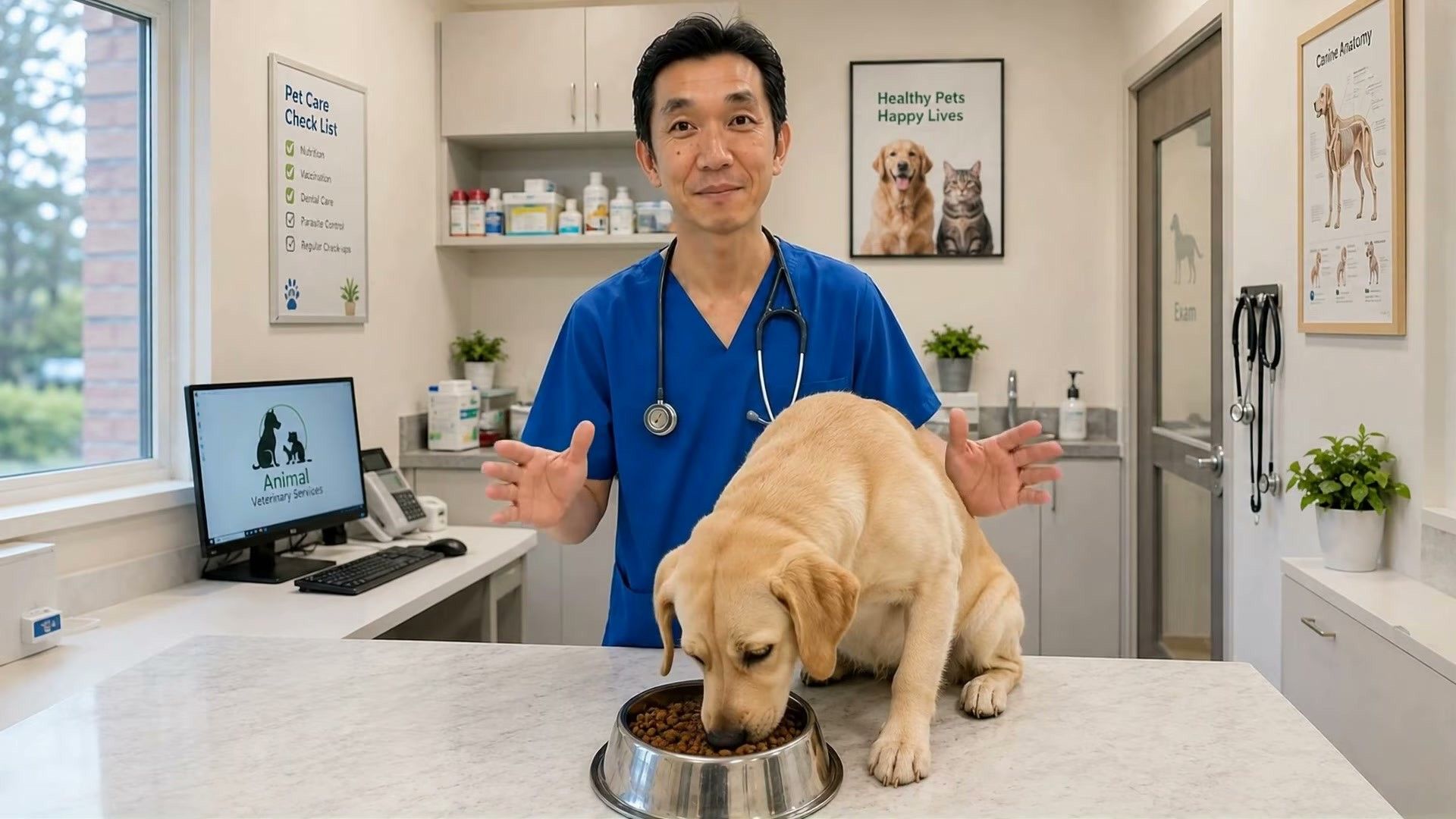
Day 1: Weigh your dog first thing in the morning before breakfast. Record this as your baseline. Measure exactly how much water you put in the bowl and how much remains after 24 hours. This gives you actual intake data rather than guesses.
Day 2: Evaluate your dog's diet. If they eat exclusively dry food, consider adding one moisture-rich meal per day or soaking kibble in warm water for fifteen minutes before serving. This single change can increase daily water intake by 20 to 30 percent without requiring the dog to drink more from the bowl.
Day 3: Audit your water stations. Ensure fresh water is available in every room where your dog spends time, not just the kitchen. Replace plastic bowls with stainless steel or ceramic, and wash them daily with detergent to prevent biofilm buildup.
Day 4: Test your emergency readiness. Keep your veterinarian's after-hours number programmed in your phone. Know the location of the nearest 24-hour emergency clinic. If your dog ever shows vomiting, diarrhea, or collapse, you will not waste time searching for contact information during a crisis.
Day 5: Schedule a wellness conversation with your veterinarian. If your dog is senior, athletic, or diagnosed with chronic disease, discuss individualized hydration targets and whether electrolyte supplementation is appropriate for their specific condition.
Day 6 and beyond: Continue daily morning weights. If you notice consistent increases or decreases in water intake, or weight changes exceeding 2 percent, contact your veterinarian promptly. Catching problems early prevents them from becoming emergencies.
Frequently Asked Questions
How much water should a dog drink in a day?
A healthy dog at rest needs 40 to 60 mL of water per kilogram of body weight daily, according to established veterinary fluid therapy guidelines. For a 20 kg dog, this equals approximately 800 mL to 1.2 liters per day. Active dogs, dogs in hot weather, or those eating exclusively dry food may need 50 to 100 percent more.
Can I give my dog Pedialyte for dehydration?
Pedialyte and similar human products are not recommended without veterinary guidance. Many contain xylitol, which is toxic to dogs. Even xylitol-free versions often have inappropriate sodium concentrations for canine physiology. If your dog is dehydrated, contact your veterinarian first to determine whether oral rehydration is safe and which product, if any, is appropriate.
What are the signs of electrolyte imbalance in dogs?
Signs include lethargy, muscle tremors, irregular heart rhythm, weakness, and in severe cases, collapse or seizures. Sodium imbalances particularly affect brain function, producing disorientation or seizures. Potassium disturbances commonly cause cardiac arrhythmias. These signs require immediate veterinary evaluation rather than home supplementation.
Is coconut water safe for dogs as an electrolyte source?
Coconut water contains potassium and some sodium but lacks the balanced formulation of veterinary electrolyte solutions. Its sodium content is too low to replace losses from vomiting or diarrhea, and its potassium content may be excessive for dogs with kidney disease. It is not an appropriate substitute for clinically indicated electrolyte therapy.
How do I know if my dog needs an electrolyte supplement?
If your dog is healthy, eats a balanced diet, and drinks water normally, they do not need supplements. Electrolyte supplementation is appropriate only after veterinary assessment for specific conditions: vomiting, diarrhea, heatstroke, or prolonged intense exercise in otherwise healthy dogs; and carefully managed sodium restriction for dogs with kidney or heart disease. ---
Key Takeaways
- Healthy dogs eating balanced commercial diets need only fresh water for normal hydration—supplements are unnecessary and potentially harmful.
- Electrolyte replacement is clinically indicated for vomiting, diarrhea, heatstroke, and prolonged exercise, but should always be guided by a veterinarian.
- Mild dehydration can often be managed with water and rest, while moderate to severe dehydration requires immediate veterinary intervention and possibly intravenous fluids.
- Morning body weight is the single most reliable home monitoring tool for detecting early dehydration.
- Dogs with chronic kidney disease or heart disease require strict sodium management and must never receive electrolyte supplements without explicit veterinary approval.
- Working and athletic dogs benefit from pre-hydration protocols and targeted electrolyte strategies tailored to their activity intensity and duration.
References
- Dibartola SP, et al. Fluid Therapy in Canine and Feline Practice. Veterinary Clinics of North America: Small Animal Practice. 1997.
- Mayer-Ronne B, et al. Age-related changes in body composition and water distribution in geriatric dogs. Journal of Veterinary Internal Medicine. 2020.
- ACVIM Consensus Panel. Consensus Guidelines for the Diagnosis and Treatment of Dehydration in Small Animals. Journal of Veterinary Internal Medicine. 2023.
- Otto CM, et al. Hypokalemia in canine parvovirus enteritis: Incidence, treatment, and impact on hospitalization duration. Journal of Veterinary Emergency and Critical Care. 2017.
- Aroch I, et al. Electrolyte disturbances and mortality in canine heatstroke. Veterinary Record. 2009.
- Piercy RJ, et al. Pre-hydration strategies for working dogs: Effects on serum sodium and performance. Frontiers in Veterinary Science. 2022.
- Dunn JK, et al. Water turnover rates in military working dogs during field operations. Journal of Animal Physiology and Animal Nutrition. 2019.
- Hannss CE, et al. Diagnostic accuracy of skin tenting for dehydration assessment in dogs. Veterinary Clinical Pathology. 2021.
- Jacob F, et al. Consensus recommendations for dietary sodium in dogs with chronic kidney disease. Veterinary Record. 2016.
- Reynolds BS, et al. Dietary sodium and blood pressure in healthy and hypertensive dogs. Journal of Veterinary Internal Medicine. 2021.
- Song D, et al. Probiotic modulation of gut microbiota in dogs: A systematic review. BMC Microbiology. 2025.
- Sacoor C, et al. Gut microbiota and canine anxiety behaviors: A cross-sectional study. Veterinary Medicine International. 2024.
- Kirchoff N, et al. Aggressive behavior and gut microbiota composition in domestic dogs. PeerJ. 2019. DOI: 10.7717/peerj.6103.