How to Teach Recall: Get Your Dog to Come Every Time (2026)
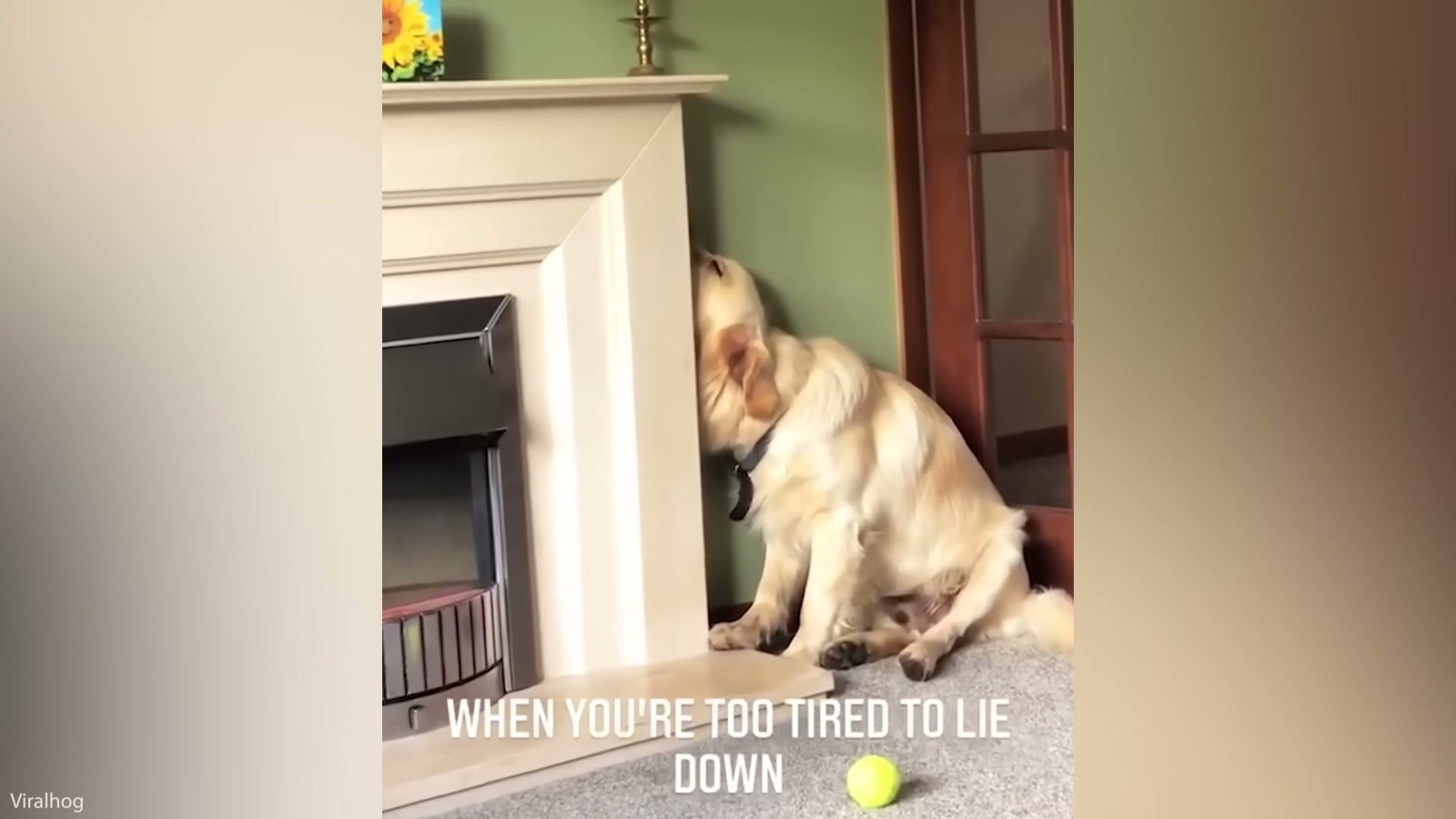
Picture this: You are at the park, enjoying a beautiful sunny afternoon with your dog. You unsnap the leash, and they bound happily across the grass. But then, a squirrel darts up a tree. You call your dog’s name—"Buddy, come!"—and nothing happens. You call again, panic rising in your chest as they bolt toward a busy street. It is the moment every dog owner dreads.
Learning how to teach recall (getting your dog to come when called) is undeniably the most critical skill you will ever teach your dog. It is the difference between a lifetime of stressful leash walks and the freedom to explore the world safely. Yet, despite its importance, dog recall training is the number one struggle for owners. Why? Because the world is incredibly exciting, and coming back to you often feels like an interruption to your dog's fun.
In this comprehensive guide for 2026, we will break down exactly how to teach recall effectively. Whether you have an eight-week-old puppy or a stubborn rescue dog with a history of running off, this step-by-step, positive reinforcement-based approach will help you build a reliable recall you can trust.
1. Why Your Dog Isn't Coming When Called
Before we can fix the problem and achieve a reliable recall, we need to understand why it’s happening. Dogs are opportunists; they do what works for them in the moment. If your dog isn't coming when called, it usually boils down to one of three reasons.
The "Poisoned" Cue
A "poisoned cue" happens when a word you use (like "Come!") becomes associated with a negative outcome. Think about how often you call your dog when it’s time to leave the park, when they need a bath, or when you are angry that they dug a hole in the yard. If "Come" always means the fun stops or a punishment happens, why would your dog ever want to return to you? They quickly learn that ignoring the word is much more rewarding than complying.
Competing Motivators (The Environment is Too Exciting)
To a dog, a rabbit darting into the bushes or the smell of a discarded sandwich is incredibly reinforcing. If you are standing 50 feet away holding a piece of dry kibble, you are competing against the ultimate jackpot of environmental distraction. If the reward you are offering isn't equal to or greater than what they are currently engaged in, your dog will choose the environment every time.
A Lack of Foundational Training
Many owners assume dogs inherently know what "come" means. They don't. It is a completely foreign concept that must be taught incrementally. If you haven't taken the time to teach your dog the behavior in a quiet, low-distraction environment before asking for it in a busy park, you are setting them up for failure in your dog training basics.
2. Setting the Stage for Success
Before you start training a reliable recall, you need the right equipment and the right mindset. Setup is everything.
Essential Gear for Dog Recall Training
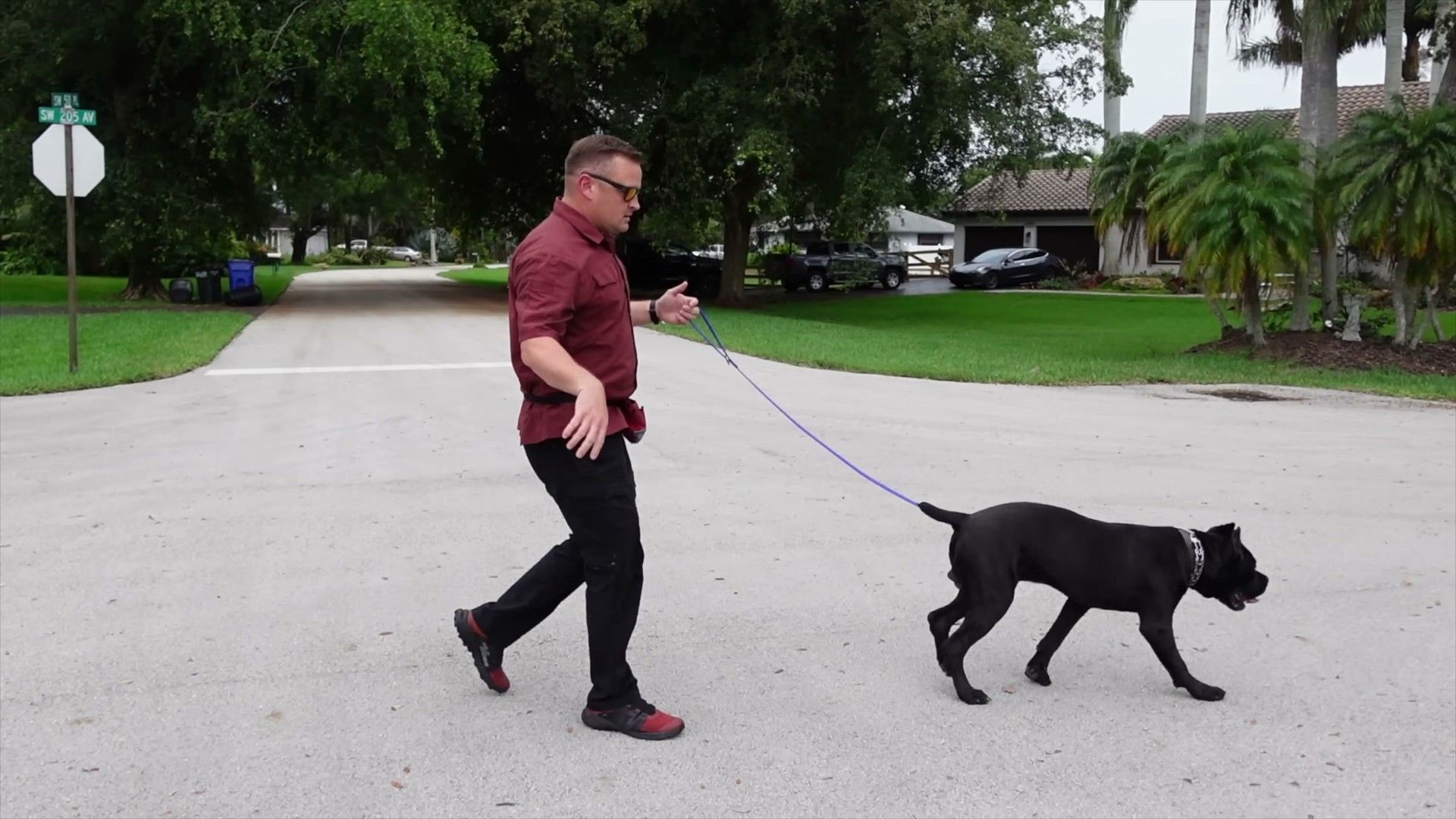
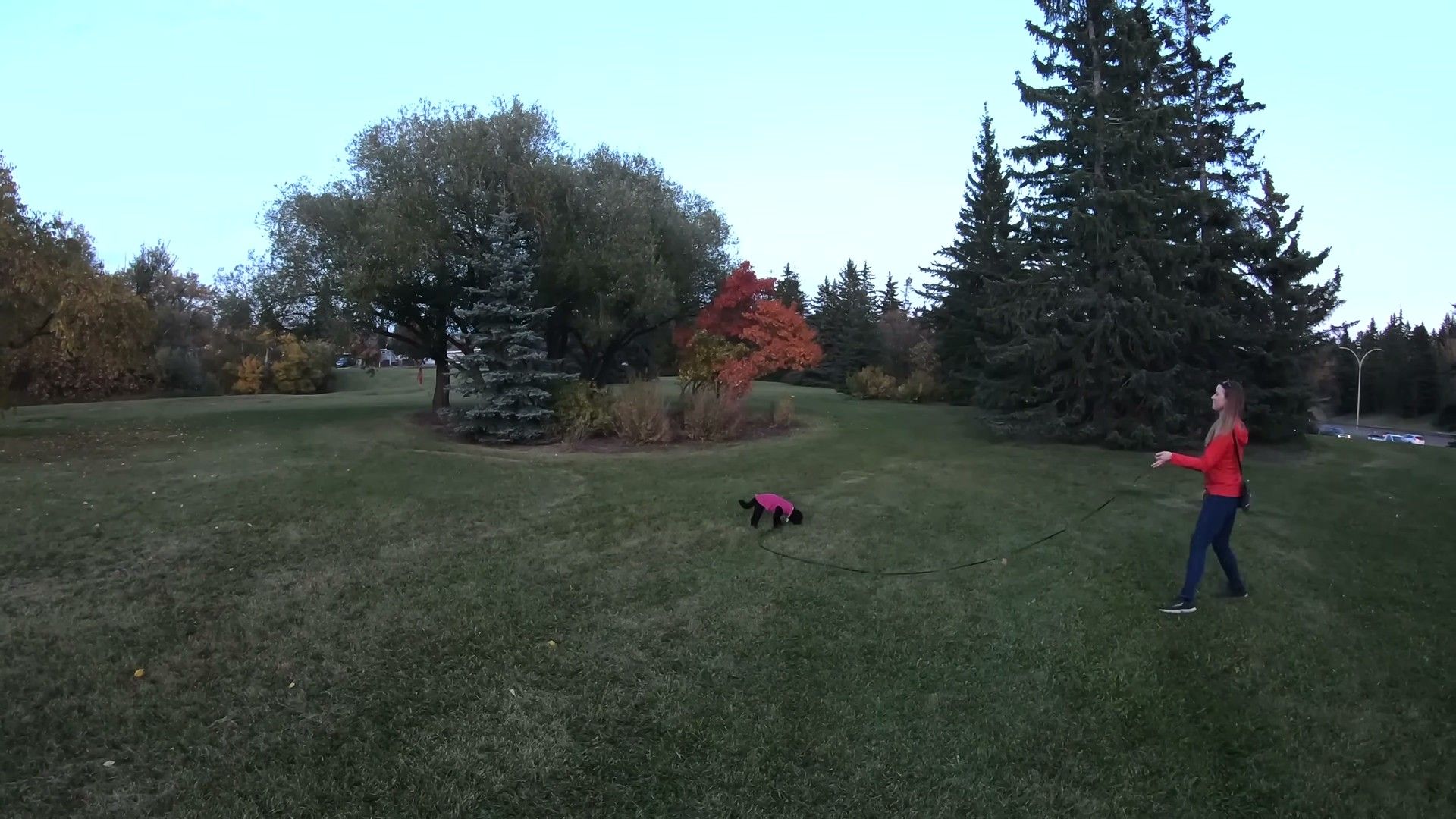
The Long Line: This is your most valuable tool. A long line is a 15 to 30-foot leash made of biothane or nylon. It gives your dog the illusion of freedom while ensuring they can never practice the bad habit of ignoring you and running away. A Well-Fitting Harness: Never attach a long line to your dog’s collar. If your dog hits the end of a 30-foot line at a full sprint, the force on their neck could cause severe tracheal or spinal damage. Always use a comfortable, back-clip harness.
High-Value Rewards
When learning how to teach recall, you are asking your dog to leave something amazing (a smell, a squirrel, another dog) and come back to you. Dry biscuits will not cut it. You need "jackpot" rewards.
- Food: Boiled chicken, hot dogs, string cheese, freeze-dried liver, or sardines.
- Toys: A special tug toy or squeaky ball that they only get during recall training.
- Real-Life Rewards: Releasing them back to play with their friends can be the highest value reward of all.
Location, Location, Location
Start indoors where distractions are practically zero. Move to a quiet backyard only when the indoor recall is perfect. Do not move to a park until the backyard recall is 100% reliable.
3. The Foundation: Step-by-Step Recall Training
Ready to begin? Here is how to build your dog's recall from the ground up to ensure they come when called every time.
Step 1: The Name Game (Attention First)
Before your dog can come to you, they must look at you. Say your dog’s name in a happy, upbeat tone. The second they turn their head to look at you, mark the behavior (say "Yes!" or click your clicker) and toss them a treat. Practice this until your dog snaps their head around the instant they hear their name.
Step 2: Choosing Your Cue
If your current "Come" command is poisoned (your dog ignores it), pick a new word. "Here," "Return," "Pronto," or a specific whistle all work beautifully. Pick one and stick to it.
Step 3: The 'Touch' Method
A great way to teach recall is the hand-target or "touch" method. Hold your hand out flat. When your dog investigates and bumps their nose against your palm, say "Yes!" and treat. Once they are doing this reliably, add your cue. Say "Here!" while holding your hand out. They run over, bump your hand, and get a reward. This gives them a clear physical target.
Step 4: Adding Distance on the Long Line
Head to your backyard. Attach the long line to your dog’s harness. Let them wander a few feet away. Call their name, followed by your cue: "Buddy, Here!" As they turn and run to you, praise them enthusiastically. When they arrive, grab their collar gently (to desensitize them to being leashed) and deliver a massive jackpot of treats. Then, say "Go play!" and release them. This teaches them that coming to you doesn't mean the end of fun!
4. Recall Games to Make It Fun
Training shouldn't feel like a chore. Dogs learn best through play. Incorporate these dog recall training games into your daily routine.

Hide and Seek
Have a partner hold your dog in another room. Run and hide behind a door or a couch. Yell your recall cue. When your dog finds you, throw a massive party with treats and praise. This builds enthusiasm and teaches your dog to hunt for you.
Ping-Pong Recall
You and a friend stand 20 feet apart in a secure area. Take turns calling the dog back and forth. Reward heavily each time. Gradually increase the distance until you are on opposite sides of a field.
The "Chase Me" Game
Dogs have a natural prey drive and love to chase things moving away from them. Use this to your advantage! When you call your dog, turn and run away from them. This triggers their instinct to chase you. Never run toward a dog that won't come—that turns it into a game of keep-away, and you will lose.
5. Proofing Your Recall: The Three D's
A recall that only works in your living room isn't useful for a true off leash recall. You must "proof" the behavior against the Three D's: Distance, Duration, and Distraction.

Distance
Slowly increase how far away you are when you call your dog. Don't jump from 10 feet to 100 feet. Go from 10 to 15, then 15 to 20.
Duration
How long can your dog wait in a stay before you call them? How long must they remain with you before you release them back to play? Build this up slowly.
Distraction
This is the hardest part of achieving a reliable recall. You must intentionally set up distractions. Start small: a family member walking slowly across the yard. Call your dog. If they come, huge reward! Progress to harder distractions: rolling a ball, placing a plate of hot dogs on the ground (covered, so they can't eat them), or having a friend bring another calm dog to the training area. If your dog fails, the distraction was too hard. Move further away and try again.
6. The Emergency Recall
Even the best-trained dogs can fail if a deer jumps out in front of them. For these life-or-death moments, you need an Emergency Recall.
This is a totally different cue (like a very loud Acme whistle, or a strange word like "Jackpot!") that is trained differently from your everyday recall.
- The reward for the emergency recall must be out of this world—a whole can of wet food, or a brand new toy.
- You only practice it once every few weeks to keep the novelty high.
- You never, ever use it for anything negative.
Condition this by blowing the whistle at home, dropping a massive pile of steak on the floor, and walking away. Repeat until the sound of the whistle causes an immediate, whiplash-like reaction in your dog.
7. Troubleshooting Common Mistakes
Avoid these pitfalls that can ruin months of hard work when discovering how to teach recall.
Repeating the Cue
"Come. Come here. Buddy, come. COME!" If you say the word five times before the dog listens, you have taught them that the command is actually "Come come come come come." Say it once. If they don't listen, do not repeat it. Reevaluate your distance and distractions, use the long line to gently reel them in, and make the next repetition easier.
Punishing the Dog When They Arrive
If it took your dog 10 minutes to come back to you, you will understandably be furious. But if you yell at them when they finally arrive, what did they just learn? Coming to my human is terrifying. You must swallow your anger and throw a party. Always reward the arrival.
Taking the Leash Off Too Soon
Do not transition to off-leash until your dog has a 100% recall on the long line around heavy distractions. Premature freedom allows the dog to rehearse ignoring you, which sets your training back to square one.
8. Transitioning to Off Leash Recall
When you are finally ready for off-leash freedom, do it safely.
Reading Body Language
Before you unclip the leash, look at your dog. Are their ears pinned forward, eyes fixed on a squirrel, body tense? Do not let them off. Wait until they offer a check-in (looking up at you voluntarily) and their body is relaxed.
Knowing Local Laws
Only practice your off leash recall in legally designated areas. Not only is it courteous to others, but it also protects your dog from leash-reactive dogs or traffic.
The "Check-In" System
Reward your dog heavily whenever they voluntarily check in with you without being called. This builds a habit of the dog naturally keeping an eye on your whereabouts, rather than you constantly having to track them down.
Conclusion
Understanding how to teach recall is a journey, not a sprint. It takes months of consistent practice, high-value rewards, and patience. By utilizing long lines, protecting your cue from being poisoned, and making coming back to you the best game in the world, you can achieve that dream of off-leash freedom. Grab a handful of cheese, clip on that long line, and start practicing your dog training basics in your living room today. Your future self will thank you.
FAQs
How long does it take to teach a reliable recall?
Every dog is different, but a truly reliable recall generally takes 6 to 12 months of consistent, daily practice across various environments.
What if my dog has high prey drive?
Dogs with high prey drive (like Hounds or Terriers) find chasing animals inherently rewarding. You must use incredibly high-value rewards (like a flirt pole or real meat) and spend significantly more time proofing on a long line around wildlife. Some high-drive dogs may never be fully reliable off-leash in areas with dense wildlife.
Should I use an e-collar for recall?
Modern behavioral science (and guidelines from the American Veterinary Society of Animal Behavior) strongly advises against the use of electronic collars. They rely on fear and pain (negative reinforcement/positive punishment), which can increase anxiety and aggression. A reliable recall built on positive reinforcement creates a dog that wants to come back to you, rather than one returning out of fear of a shock.