How to Stop Puppy Biting Fast: The Ultimate Guide
Meta Title: How to Stop Puppy Biting Fast (2026) — Vet-Backed Guide
Meta Description: Your puppy is biting nonstop. Here's the 5-step vet-backed protocol that works in 2–4 weeks — without punishment, yelling, or intimidation.
Why Puppies Bite (It's Not What You Think)
Puppy biting is normal developmental behavior — not aggression, not dominance, and not a sign of a bad dog.
Your 10-week-old puppy doesn't know that human skin is fragile. In their litter, biting is how they learned everything: what's too hard, what's too soft, and what makes the game stop. When they mouth your hand, they're doing the same thing they'd do with a littermate — testing boundaries through their most powerful sense.
The first thing to understand is that mouthing is exploration. Puppies explore the world with their mouth the way human toddlers explore with their hands. A puppy who bites your sleeve isn't being aggressive — they're investigating fabric texture. A puppy who nips your ankle isn't being dominant — they're chasing movement, especially in herding breeds.
Teething makes it worse. Between 4 and 6 months, adult teeth push through swollen gums. The discomfort is real, and chewing provides relief. A teething puppy who bites isn't choosing to be painful — they're trying to stop their own discomfort.
But the biggest trigger isn't teething — it's over-arousal. When puppies get excited, their autonomic nervous system shifts into a high-alert state. Impulse control shuts down. The puppy who was playing gently five minutes ago is now a furry piranha. This is neurological, not intentional. Punishing a puppy in this state doesn't teach them anything — it just adds fear to an already overwhelmed system.
According to a 2022 study in the Journal of Applied Behavior Analysis, mouthing has identifiable functions: attention-seeking, access to tangible rewards, or escape from situations. Understanding which function is driving YOUR puppy's biting changes how you respond. A puppy who bites because they want attention needs a different approach than a puppy who bites because they're overtired.
Breed matters too. Herding breeds — Border Collies, Corgis, Australian Shepherds — nip ankles because they're hardwired to chase and control movement. Terriers are mouthy because they were bred to grab and shake prey. Retrievers carry everything in their mouths because that's what retrievers do. Understanding your puppy's breed tendencies helps you choose the right outlets.
- Biting is normal puppy behavior, not aggression — 95% of puppy biting is developmental
- Over-arousal and overtiredness are the two biggest triggers
- Breed tendencies affect biting style (herding = ankles, retrievers = hands, terriers = everything)
- Understanding the cause changes how you respond — punishment makes it worse
The 5-Step Protocol to Stop Puppy Biting
The most effective approach combines five steps in sequence: manage, reverse time-out, redirect, reward calm, enforce rest.
This protocol isn't theoretical. It's built on the Dunbar method (the gold standard in bite inhibition training since the 1990s), refined by the ASPCA's graduated approach, and supported by a 2021 study showing that reward-based training reduces aggression odds by 48%.
Step 1: Manage the Environment
Prevention is more powerful than correction. If your puppy can't practice biting, they can't reinforce the habit.
- Baby gates to block high-traffic zones where over-stimulation happens
- House leash (drag leash indoors) for gentle interruption without grabbing
- Chew stations in every room — two textures (soft and firm) always within reach
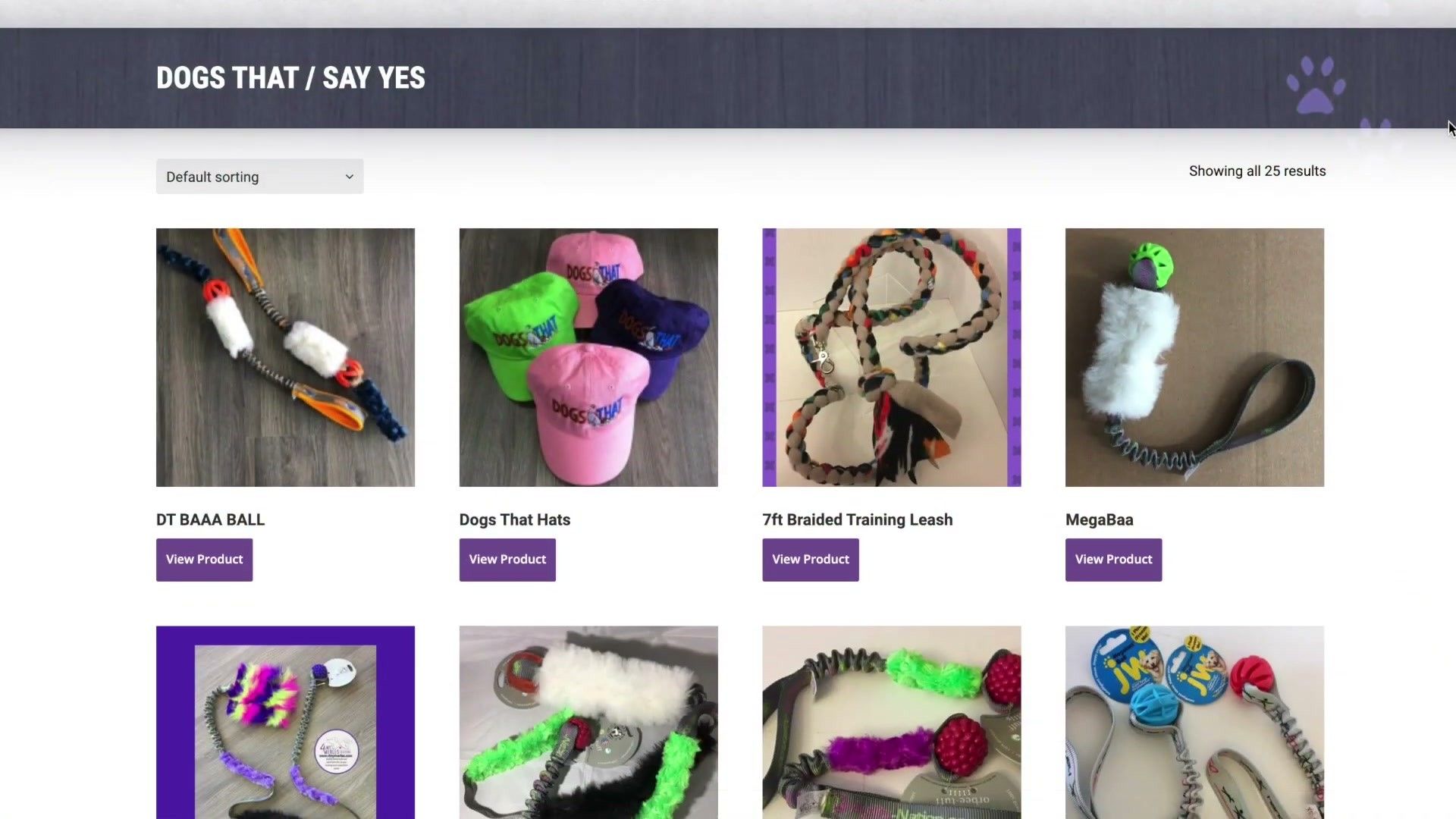
- Long tug toys in your pockets — distance between teeth and hands
Step 2: The Reverse Time-Out
This is the single most effective technique. When teeth touch skin:
- Freeze — stop moving your hands
- Pause — wait 2-3 seconds for the puppy to disengage
- Remove yourself — stand up, turn away, cross your arms. Leave the area for 30-60 seconds
- Return calmly — no eye contact, no talking. Redirect to appropriate behavior
The ASPCA calls this "the most effective way to communicate a boundary." You are the reward. When you leave, you take the game away. The puppy learns: teeth on skin = fun ends.
Never yell, slap, or push the puppy. These reactions increase arousal and make biting harder. Yelling = excitement = more biting. Pushing = chase game = more biting.
Step 3: Redirect to Appropriate Outlets
Don't redirect instantly — pause first. If you shove a toy in their mouth the moment they bite, you teach them that biting you is what makes the toy appear.
Instead:
- Wait for a brief pause in mouthing
- Calmly offer a long tug toy or frozen chew
- Praise when they take the toy
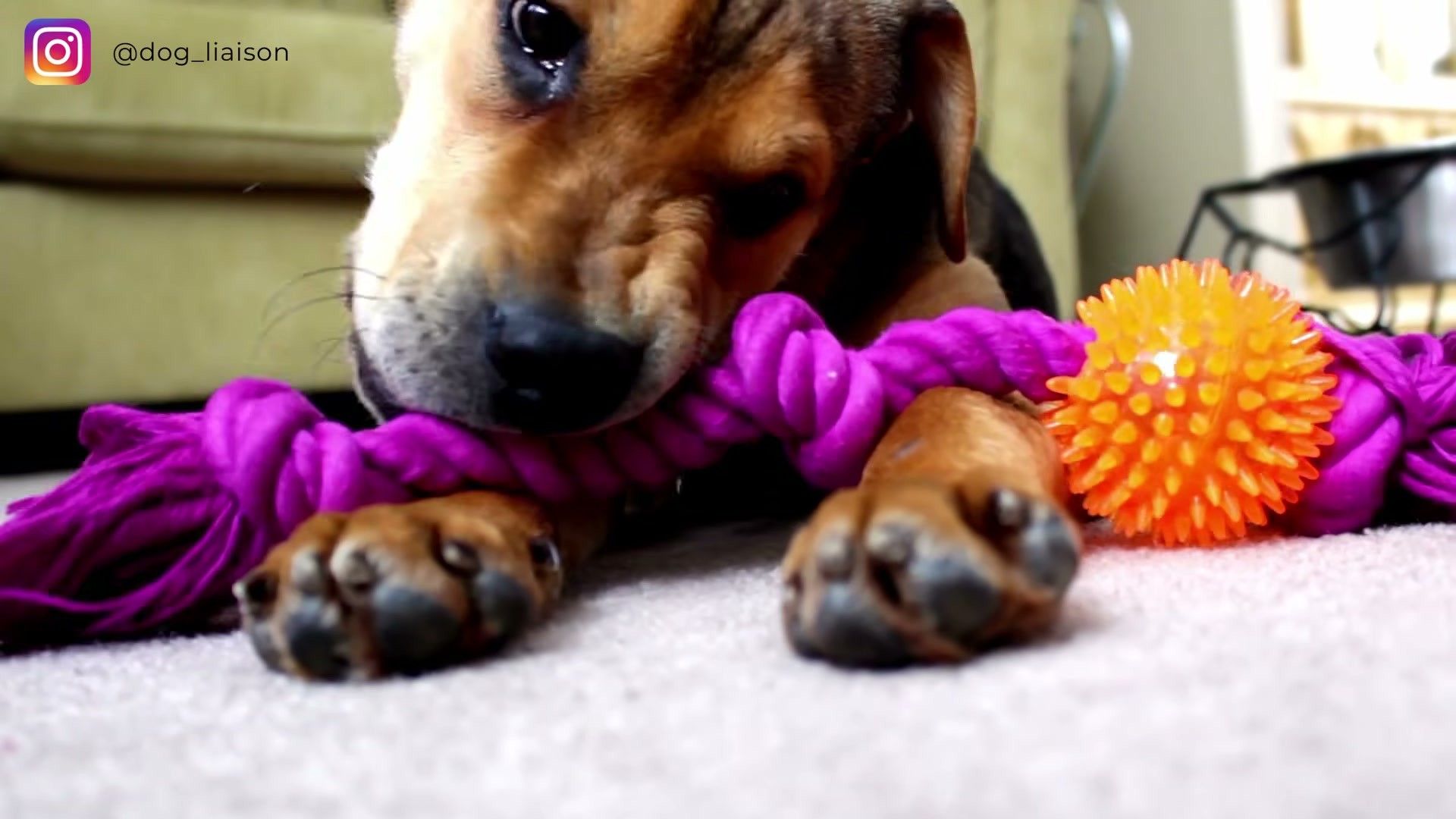
For teething pain: frozen rope toys, chilled carrots, or stuffed Kongs provide relief. The cold numbs swollen gums.
For chase-driven mouthing: flirt poles let them chase without targeting your ankles.
Step 4: Reward Calm Behavior
Most owners only react when their puppy bites. This means the puppy gets attention (even negative attention) only when they're mouthy. They learn: "Biting gets a reaction."
Flip the script. Keep treats in your pocket. Reward:
- Sitting calmly near you
- Playing with their own toy
- Gentle mouthing during play
- Lying on their mat
- Any moment of calm
According to a 2021 retrospective study of 1,532 dogs, reward-based training reduced odds of aggressive behavior by 48% (OR 0.52). You're not just preventing bad behavior — you're building good behavior.
Step 5: Enforce Rest
A tired puppy is a bitey puppy. Puppies need 18-20 hours of sleep per day. An awake window of 1.5-2 hours is the maximum before overtiredness kicks in.
Signs your puppy needs a nap:
- Frantic running, zooming in circles
- Glazed-over eyes
- Ignoring redirection
- Increased jaw pressure
- General "unhinged" behavior
When you see these signs, it's not time for more training. It's time for a crate break or quiet time in a pen. A well-rested puppy learns faster, bites less, and recovers from arousal more quickly.
- The 5 steps work in sequence: manage, reverse time-out, redirect, reward, enforce rest
- Reverse time-out is the single most effective technique — you are the reward
- Reward calm behavior as much as you correct biting — dogs repeat what earns rewards
- Sleep is training — a well-rested puppy needs less correction
- Never yell, slap, wave fingers, or use physical corrections — these increase arousal
Vet Tip: If your puppy is biting during a training session, stop the session. A puppy who can't control their mouth isn't ready to learn sit or down. Address the arousal first, then come back to training when they're calm.
The Graduated Bite Inhibition Protocol
The fastest path to a gentle-mouthed adult dog is teaching soft biting first — then gradually reducing frequency.
Most owners try to stop all biting at once. This doesn't work. Your puppy needs to learn what "too hard" means before they can learn "don't bite at all."
The Dunbar protocol, developed by veterinary behaviorist Dr. Ian Dunbar, is a two-phase approach:
Phase 1: Teach Soft Biting (Weeks 1-2)
- Allow all mouthing EXCEPT the hardest bites
- When teeth clamp down hard: yelp sharply, freeze, withdraw attention for 30 seconds
- Return and resume play
- If they bite hard again immediately: leave the room for 2-3 minutes
- Repeat until they mouth more gently
Phase 2: Reduce Frequency (Weeks 3-4)
- React to moderately hard bites with the same protocol
- Gradually raise the threshold: respond to softer and softer mouthing
- Eventually respond to any teeth touching skin
- Teach "off" or "leave it" using treats
Phase 3: Generalize (Weeks 5-6)
- Practice in different rooms, with different people, at different energy levels
- Add mild distractions and practice calm interactions
- Continue rewarding gentle behavior
Academy for Dog Trainers case studies show this graduated approach successfully modified bite inhibition in puppies — even those with poor initial ABI. One case study documented a puppy who drew blood from littermates at 8 weeks, and by 5 months had normal, non-injurious play-biting with other dogs.
The critical insight from the Calgary Humane Society: bite inhibition is virtually impossible to modify in adult dogs. The socialization window closes around 4-5 months. If you're reading this with a young puppy, start now.
Hand-feeding is one of the fastest ways to teach gentle mouth. Feed part or all of your puppy's meals by hand. Only release the food when they're soft. They learn: gentle gets the food, hard gets nothing.
- Teach soft biting FIRST, then reduce frequency — don't try to stop all biting at once
- Progress through phases based on improvement, not a fixed timeline
- Hand-feeding teaches gentle mouth faster than any other technique
- The socialization window for bite inhibition closes around 4-5 months
Sleep: The Hidden Variable
Most puppy biting is actually overtiredness masquerading as misbehavior — and the fix is a nap, not more training.

Here's a fact that surprises most owners: puppies need 18-20 hours of sleep per day. That's more than human toddlers. An awake window of 1.5-2 hours is typical before overtiredness kicks in.
When a puppy doesn't get enough sleep, their impulse control collapses. The same thing happens to humans — think of how irritable you are after a bad night's sleep. For a puppy with an immature prefrontal cortex, the effect is even more dramatic.
The evening "witching hour" is almost always sleep-related. Most owners think their puppy has too much energy at 7pm. In reality, the puppy has been awake too long and needs a nap. The frantic running, the hard nipping, the zooming — it's exhaustion, not energy.
The fix: enforce a structured nap schedule.
- Awake for 1.5-2 hours → nap for 1-2 hours
- Morning play session → nap
- After lunch → nap
- Before the evening witching hour → early nap
- Bedtime routine: calm, quiet, dark
A 2020 synthesis of veterinary behavior literature found that sleep deprivation mimics the effects of stress on behavior. Puppies who don't sleep enough show decreased learning capacity, increased mouthing, and reduced ability to self-regulate.
Sleep IS training. A well-rested puppy learns faster, bites less, and recovers from arousal more quickly. If your training isn't working, check the sleep schedule first.
- Puppies need 18-20 hours of sleep per day — more than most owners realize
- If your puppy has been awake for 2+ hours and is biting, they need a nap
- Evening biting spikes are almost always overtiredness, not excess energy
- Enforced naps are one of the most powerful training tools available
Did You Know: A puppy's brain processes information during sleep the same way human brains do — through memory consolidation during REM cycles. Skip the nap, skip the learning.
Breed-Specific Biting Patterns
Different breeds bite for different reasons — and the solution changes depending on what's driving the behavior.
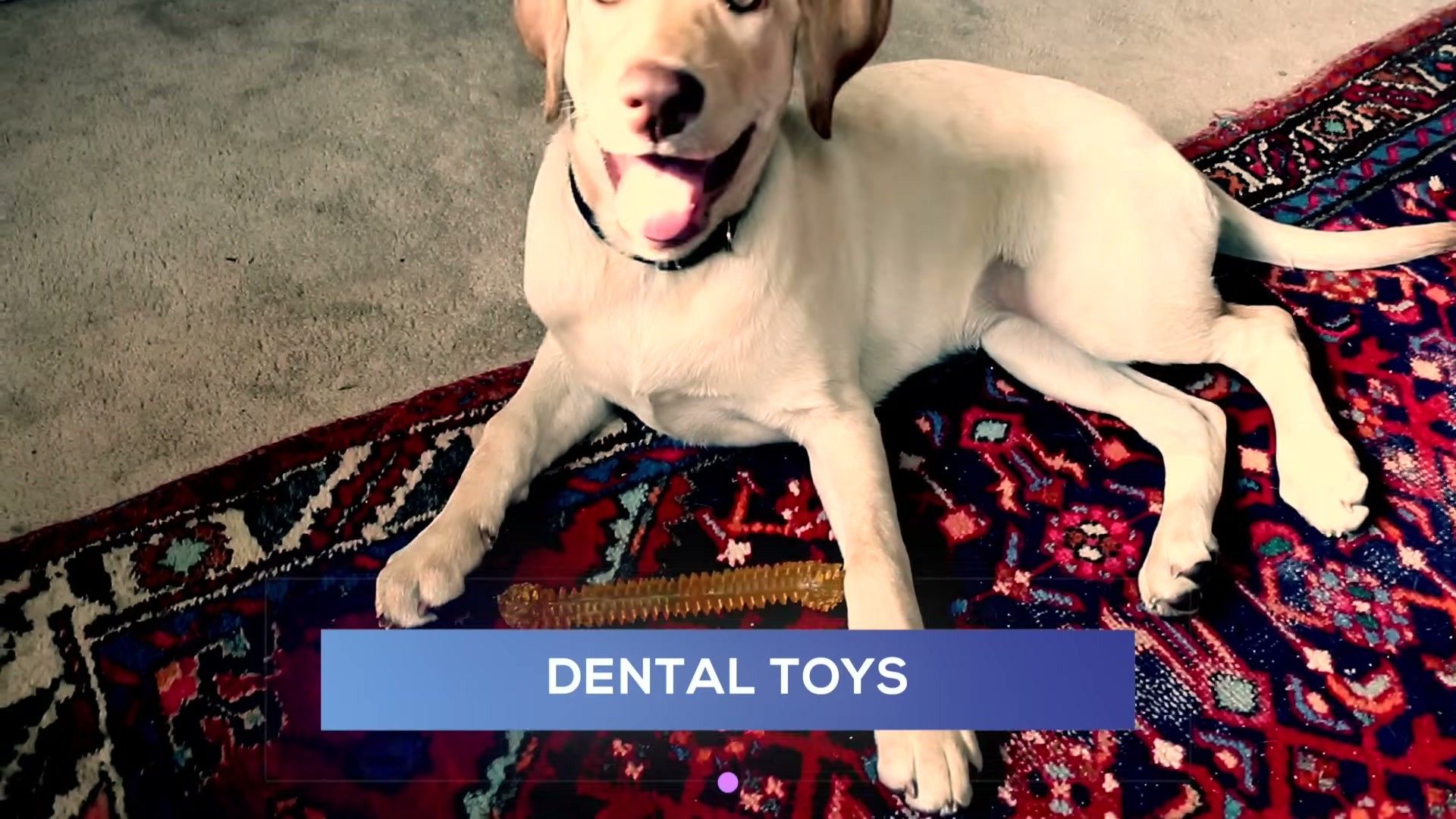
Not all puppy biting is the same. Understanding your breed's tendencies helps you choose the right outlets.
Herding breeds (Border Collies, Corgis, Australian Shepherds, Heelers): These puppies nip ankles because they're genetically wired to control movement. The quick motion of your feet triggers their chase instinct. The solution: long tug toys for appropriate chasing, flirt poles for controlled chase games, and "find it" scatter feeding to redirect the chase drive into sniffing.
Terriers (Jack Russells, Bull Terriers, Pit Bulls): High mouthiness from vermin-hunting heritage. They grab, shake, and hold. The solution: structured tug play with clear rules (drop it on cue, start and stop on your terms). Tug satisfies the grab-and-shake instinct without targeting your skin.
Retrievers (Labs, Goldens, Chessies): Oral fixation is their defining trait. They carry, hold, and mouth everything. The solution: fetch games, retrieve训练, "hold" commands. Give their mouth a job that isn't your hand.
Giant breeds (Great Danes, Mastiffs, Bernese): Their jaw force is significantly higher even as puppies. A "gentle" mouth from a 12-week-old Great Dane is harder than a hard mouth from a terrier. Extra urgency on bite inhibition training — start immediately and progress through the graduated protocol.
According to research by Dr. Ellis and her team, jaw size and breed shape predict bite force. Larger dogs with wider jaws generate more force, which means bite inhibition training is even more critical for large and giant breeds.
- Herding breeds need appropriate chase outlets (flirt poles, long tug toys)
- Terriers need structured tug play to satisfy mouthiness
- Retrievers benefit from carry-and-retrieve games
- Giant breeds need extra bite inhibition training due to higher jaw force
- Breed tendencies inform the strategy — they don't excuse the training
Management and Safety (Kids, Visitors, Multi-Dog Homes)
Prevention is more powerful than correction — set up your environment so biting is harder to practice.
Kids and Puppies
This is the most predictable problem in puppy ownership. Kids squeal, run, and wave their hands — all of which trigger chasing and nipping. It's not a "bad kid" or a "bad puppy." It's physics.
The rules:
- Baby gates so kids can move freely without being chased
- "Stand like a tree" if nipped — no running, no screaming, arms crossed
- Give kids safe jobs: treat scatter, "find it" games, rewarding mat settles
- Supervise closely and end interaction early if the puppy is escalating
- Family rule: if the puppy starts biting, the fun pauses and the puppy gets a calm reset
Visitors
Brief, calm introductions work best:
- Puppy on leash, visitor at the door
- Visitor tosses a treat away from themselves (no reaching toward puppy)
- Short interaction, then back to calm space
- Repeat across multiple short visits
Multi-Dog Homes
- Supervised play only during high-arousal periods
- Separate during feeding and high-value chew time
- Ensure each dog has their own calm space
- Watch for older dog correcting puppy — this is natural and helpful if gentle
- Kids + puppies requires management, not hope — gates are your best friend
- Teach children to be calm and still when puppies get mouthy
- Visitor introductions should be calm, short, and treat-rich
- Older dogs naturally correct puppy biting — this is helpful if gentle
Common Mistakes That Make Biting Worse
Most owners accidentally reinforce the exact behavior they're trying to stop — here's what to avoid.
Mistake 1: Yelling "No!" or Squealing
Loud reactions increase arousal. The puppy thinks you're playing. Yelling = excitement = harder biting. Use a calm, neutral tone instead.
Mistake 2: Pulling Away Quickly
Jerking your hand away triggers chase instinct. The puppy lunges faster to catch the "prey." Instead, let your hand go limp — it's much less interesting when it doesn't move.
Mistake 3: Using Hands as Toys
Wrestling, face-grabbing, rough play — these all teach the puppy that hands are bite targets. The rule is simple: human skin is never part of play. Not rough play, not gentle play, not "only when excited."
Mistake 4: Inconsistent Responses
Sometimes it's funny (when Grandma visits), sometimes it's not (when you're working). Puppies can't learn from inconsistency. Everyone in the household must respond the same way, every single time.
Mistake 5: Skipping Sleep
Focusing only on training while ignoring the sleep deficit. A puppy who's been awake for 3 hours can't learn, can't self-regulate, and will keep biting no matter how many reverse time-outs you do.
- Yelling, pulling away, and rough play all make biting worse
- Everyone in the household must respond the same way every time
- Sleep is as important as training — address both
- Consistency beats intensity — calm, clear boundaries every time
When to Seek Professional Help
Most puppy biting resolves with consistent training — but certain signs indicate you need expert guidance.
Most puppies improve significantly by 4-6 months with structured routines. However, some situations require professional intervention:
Red Flags:
- Biting that draws blood repeatedly despite 2+ weeks of consistent training
- Stiff body posture, hard staring, growling with biting
- Biting that targets faces specifically
- Resource guarding with food, toys, or resting spaces
- Biting that escalates in intensity rather than improving
- Biting triggered by handling, being picked up, or restraint
- Biting connected to fear (cowering, tail tucked, ears back)
Who to consult:
- Certified Applied Animal Behaviorist (CAAB or ACAAB) — highest level of behavior expertise
- Diplomate of the American College of Veterinary Behavior (Dip ACVB) — veterinary specialist in behavior
- Certified Professional Dog Trainer (CPDT) with fear-free or force-free credentials
- Veterinary behaviorist for medical rule-out (pain can drive biting)
Early intervention between 8 and 16 weeks is the most cost-effective way to prevent lifelong behavioral issues. Don't wait for a serious incident before seeking help.
- Most puppy biting resolves by 6-7 months with consistent training
- Seek help if biting escalates, targets faces, or comes with stiffness or growling
- CAAB, Dip ACVB, or CPDT with fear-free experience are the right professionals
- Early intervention prevents patterns from hardening — don't wait
Frequently Asked Questions
When do puppies stop biting?
Most puppies naturally reduce biting between 4-7 months as teething ends and training takes effect. The intense "land shark" phase peaks at 3-4 months. With consistent training, most puppies show significant improvement by 5-6 months.
Is puppy biting normal?
Yes — puppy biting is a completely normal developmental behavior. It's how puppies explore their world, test boundaries, and learn bite inhibition. It's not aggression, not dominance, and not a sign of a bad dog.
How many hours should a puppy sleep?
Puppies need 18-20 hours of sleep per day. An awake window of 1.5-2 hours is typical before they need rest. Overtired puppies are bitey puppies — enforced naps are one of the most effective training tools.
What is bite inhibition?
Bite inhibition is a puppy's ability to control the force of their jaw. Teaching bite inhibition means gradually reducing mouthing pressure through consistent feedback — starting with the hardest bites and working down to gentle mouthing.
How do I stop my puppy from biting my ankles?
Herding breeds are especially prone to ankle-biting. Keep a long tug toy in your pocket. When they target your ankles, freeze and stop moving to make yourself boring. Redirect to the toy and reward tugging instead.
Should I use bitter apple spray?
Bitter apple spray can help deter biting on clothing and furniture, but it's not a substitute for training. Use it as a passive辅助 tool alongside active training — not instead of it. ---
Key Takeaways
- Puppy biting is normal developmental behavior — not aggression, not dominance, not a sign of a bad dog
- The 5-step protocol works: manage environment, reverse time-out, redirect, reward calm, enforce rest
- Sleep is the hidden variable — most overtired puppies bite more, and enforced naps fix it fast
- The graduated protocol teaches soft biting first, then reduces frequency — don't try to stop all biting at once
- Positive reinforcement training reduces aggression by 48% — reward what you WANT
- Everyone in the household must use the same response every time — consistency beats intensity
- Seek professional help if biting escalates, targets faces, or comes with stiffness or growling
References
- PMC (2022). Owner-Implemented Functional Analyses and Reinforcement-Based Treatments for Mouthing in Dogs. Journal of Applied Behavior Analysis.
- Buttner et al. (2021). When to Start Puppy Training: A Retrospective Study. Animals (MDPI).
- Joshua (2017). Training Bite Inhibition in the Dark. IAABC Foundation Journal.
- Benson, K. (2017). Ouch! Acquired Bite Inhibition and Puppies. Academy for Dog Trainers.
- Zupan Semrov et al. (2022). Dogs Exhibiting High Levels of Aggressive Reactivity Show Impaired Self-Control Abilities. Frontiers in Veterinary Science.
- Dunbar, I. (2010). Teaching Bite Inhibition. Dunbar Academy.
- Kincaid, J. (2012). Acquired Bite Inhibition: Aggressive Behaviour Part 2. Calgary Humane Society.
- ASPCA. Mouthing, Nipping and Biting in Puppies.
- AKC (2021). How to Stop Puppy Biting and Train Bite Inhibition.